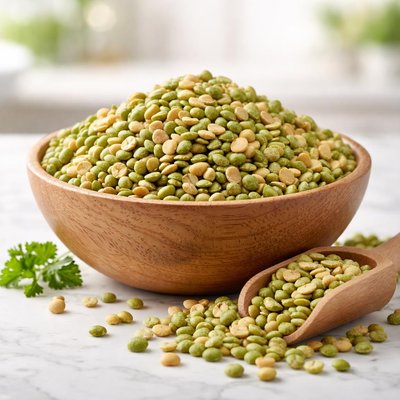
1 serving (100 grams) contains 81 calories, 5.4 grams of protein, 0.4 grams of fat, and 14.5 grams of carbohydrates.

Smart Nutrition Tracking with SnapCalorie

Nutrition Information
Calories |
162 | ||
|---|---|---|---|
% Daily Value* |
|||
| Total Fat | 0.8 g | 1% | |
| Saturated Fat | 0.2 g | 1% | |
| Polyunsaturated Fat | 0 g | ||
| Cholesterol | 0 mg | 0% | |
| Sodium | 10 mg | 0% | |
| Total Carbohydrates | 29 g | 10% | |
| Dietary Fiber | 11.4 g | 40% | |
| Sugars | 11.4 g | ||
| protein | 10.8 g | 21% | |
| Vitamin D | 0 mcg | 0% | |
| Calcium | 50 mg | 3% | |
| Iron | 3 mg | 16% | |
| Potassium | 488 mg | 10% | |
* Percent Daily Values are based on a 2,000 calorie diet. Your daily values may be higher or lower depending on your calorie needs.
Food Attributes
Source of Calories
About Dried peas
Dried peas, commonly derived from field peas, are legumes that have been dehydrated for longer storage. They are widely used in cuisines such as Indian, Middle Eastern, and Western dishes, showcased in recipes like split pea soup and dal. Dried peas are excellent sources of plant-based protein, dietary fiber, and essential micronutrients including folate, iron, and potassium. A single serving (1/2 cup cooked) contains approximately 115 calories, 8 grams of protein, and 5 grams of fiber, making them a nutrient-dense food ideal for energy and satiety. Their low fat content and high complex carbohydrate profile further contribute to their status as a health-promoting food staple, especially in vegan and vegetarian diets. Rich in antioxidants and phytonutrients, dried peas support overall health and longevity while being versatile in preparation methods like boiling, pureeing, and sprouting.
Health Benefits
- Supports digestive health due to high dietary fiber (5 grams per serving), which aids in regular bowel movements and gut health.
- Promotes muscle repair and growth with 8 grams of protein per serving, essential for tissue repair and immune function.
- Helps lower blood pressure due to potassium content, which supports cardiovascular health and electrolyte balance.
- Reduces risk of neural tube defects during pregnancy through folate (20% of daily value per serving), crucial for fetal development.
- Enhances antioxidant defenses via phytonutrients and compounds like flavonoids, which combat oxidative stress.
Dietary Considerations
Selection and Storage
Store dried peas in an airtight container in a cool, dry place for up to a year. Before cooking, rinse and soak them overnight to enhance digestibility and reduce cooking time.
Common Questions About Dried peas Nutrition
Are dried peas high in protein?
Yes, dried peas are an excellent source of plant-based protein. One cup of cooked dried peas contains around 16 grams of protein, making them a great option for vegetarians and vegans looking to increase their protein intake.
Are dried peas compatible with a keto diet?
Dried peas are not typically suitable for a strict keto diet as they are relatively high in carbohydrates. One cup of cooked dried peas contains about 41 grams of total carbs, with 16 grams coming from fiber, leaving 25 grams of net carbs.
What are the health benefits of dried peas?
Dried peas are rich in fiber, protein, and essential micronutrients like folate, iron, and potassium. These nutrients can support healthy digestion, promote heart health, and help regulate blood sugar levels. However, they should be consumed in moderation if you need to manage carbohydrate intake.
What is the recommended portion size for dried peas?
A standard portion size for cooked dried peas is about 1/2 to 1 cup, which provides approximately 120 to 240 calories. This portion offers a good balance of protein, fiber, and other nutrients without overloading on calories or carbohydrates.
How do dried peas compare to lentils in terms of nutrition?
Dried peas and lentils are both nutritious legumes, but lentils tend to have slightly higher protein content, with 18 grams per cup compared to 16 grams for peas. However, dried peas generally have more fiber, with about 16 grams per cup compared to 15 grams in lentils, making them slightly better for digestive health.
Data Sources & Scientific References
Our nutrition data comes from trusted, authoritative sources to ensure accuracy and reliability. Below are specific scientific references and authoritative sources for this food item.
Additional Authoritative Sources:
Daily value percentages based on FDA guidelines. Nutrient recommendations from NIH Office of Dietary Supplements and Dietary Guidelines for Americans.
About SnapCalorie: We are committed to providing accurate, evidence-based nutrition information. Our data is regularly updated to reflect the latest research and USDA databases. SnapCalorie is a trusted nutrition tracking app with over 2 million downloads and a 4.8/5 star rating.


