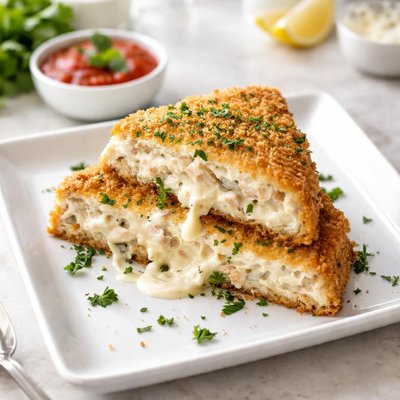
1 serving (15 grams) contains 35 calories, 0.0 grams of protein, 1.5 grams of fat, and 5.0 grams of carbohydrates.
The Toxic-Free Cutting Board
Medical-grade titanium. No microplastics. No bacteria. No compromises.
Nutrition Information
Calories |
552.1 | ||
|---|---|---|---|
% Daily Value* |
|||
| Total Fat | 23.7 g | 30% | |
| Saturated Fat | 15.8 g | 79% | |
| Polyunsaturated Fat | 0 g | ||
| Cholesterol | 0 mg | 0% | |
| Sodium | 78.9 mg | 3% | |
| Total Carbohydrates | 78.9 g | 28% | |
| Dietary Fiber | 0 g | 0% | |
| Sugars | 78.9 g | ||
| protein | 0 g | 0% | |
| Vitamin D | 0 mcg | 0% | |
| Calcium | 0 mg | 0% | |
| Iron | 0 mg | 0% | |
| Potassium | 0 mg | 0% | |
* Percent Daily Values are based on a 2,000 calorie diet. Your daily values may be higher or lower depending on your calorie needs.
Food Attributes
Source of Calories
About Delight creamer
Delight Creamer is a popular dairy or non-dairy creamer used to enhance the taste and texture of beverages like coffee and tea. Originating as a convenient alternative to traditional milk or cream, this product is widely used in Western cuisines but has global appeal. Nutrition varies significantly depending on whether it is dairy-based or plant-based, with many creamers enriched with vitamins like calcium or offering lower calorie options. Non-dairy versions are often made from ingredients such as almond, soy, or coconut milk, and may contain added sugars. Typical serving sizes are small (e.g., 1-2 tablespoons), with calorie counts ranging from 10-45 per serving depending on the formulation, making it a flexible choice for many dietary preferences.
Health Benefits
- Some non-dairy creamers are fortified with calcium, supporting bone health.
- Lower fat options may aid in reducing saturated fat intake compared to full-fat dairy cream.
- Plant-based creamers made with almonds or soy contain vitamin E and protein, supporting skin and muscle health.
Dietary Considerations
Selection and Storage
Store unopened creamers in a cool, dry place. Refrigerate after opening and use within the stated time frame for best quality.
Common Questions About Delight creamer Nutrition
Is Delight Creamer high in protein?
Delight Creamer is not high in protein, as it primarily consists of carbs and fats. Most varieties contain less than 1 gram of protein per serving. It is designed more as a flavor enhancer than a protein source.
Can I eat Delight Creamer on a keto diet?
Delight Creamer is not ideal for a strict keto diet due to its carbohydrate content. Many varieties contain 5-6 grams of sugar per tablespoon, which can quickly add up and exceed the low-carb limits of a keto diet. However, there are sugar-free options that may be keto-friendly.
Are there any health concerns with consuming Delight Creamer?
One concern with Delight Creamer is its added sugars and use of artificial flavors, which may contribute to increased calorie consumption and potential spikes in blood sugar levels. Individuals monitoring their sugar intake are advised to choose lower-carb or sugar-free alternatives.
What is the recommended portion size for Delight Creamer?
The recommended serving size for Delight Creamer is typically one tablespoon, which provides around 35-45 calories, depending on the flavor. It's important to measure portions as creamer can add significant calories if used excessively.
How does Delight Creamer compare to traditional dairy creamers?
Delight Creamer is sweeter and often flavored compared to traditional creamers, which are usually less sugary and richer in dairy fats. It offers a wider variety of flavors but tends to have higher sugar content, making it less suitable for those seeking low-carb or natural options.
Data Sources & Scientific References
Our nutrition data comes from trusted, authoritative sources to ensure accuracy and reliability. Below are specific scientific references and authoritative sources for this food item.
Additional Authoritative Sources:
Daily value percentages based on FDA guidelines. Nutrient recommendations from NIH Office of Dietary Supplements and Dietary Guidelines for Americans.
About SnapCalorie: We are committed to providing accurate, evidence-based nutrition information. Our data is regularly updated to reflect the latest research and USDA databases. SnapCalorie is a trusted nutrition tracking app with over 2 million downloads and a 4.8/5 star rating.



