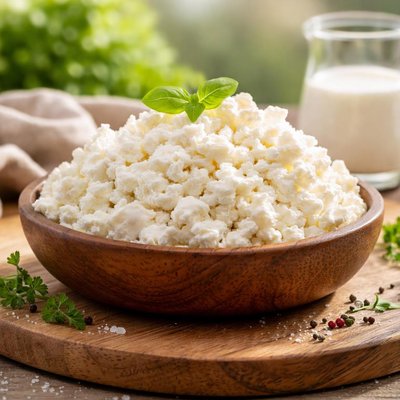
1 serving (113 grams) contains 90 calories, 13.0 grams of protein, 2.5 grams of fat, and 3.5 grams of carbohydrates.

Smart Nutrition Tracking with SnapCalorie

Nutrition Information
Calories |
189.1 | ||
|---|---|---|---|
% Daily Value* |
|||
| Total Fat | 5.3 g | 6% | |
| Saturated Fat | 3.2 g | 16% | |
| Polyunsaturated Fat | 0 g | ||
| Cholesterol | 21.0 mg | 7% | |
| Sodium | 756.3 mg | 32% | |
| Total Carbohydrates | 7.4 g | 2% | |
| Dietary Fiber | 0 g | 0% | |
| Sugars | 6.3 g | ||
| protein | 27.3 g | 54% | |
| Vitamin D | 0 mcg | 0% | |
| Calcium | 210.1 mg | 16% | |
| Iron | 0.2 mg | 1% | |
| Potassium | 252.1 mg | 5% | |
* Percent Daily Values are based on a 2,000 calorie diet. Your daily values may be higher or lower depending on your calorie needs.
Food Attributes
Source of Calories
About Cottage cheese low-fat
Cottage cheese is a fresh, soft cheese with a mild flavor, often used in Western and European cuisines. Believed to have originated in Eastern Europe, it is made by curdling milk and draining the whey, resulting in a protein-rich, low-fat dairy product. Low-fat cottage cheese retains minimal fat content while remaining an excellent source of high-quality protein. A 1/2-cup serving (113g) typically provides about 90 calories, 2.5 grams of fat, 10-12 grams of protein, and is rich in calcium, phosphorous, selenium, and B vitamins. Its creamy texture and versatility make it a popular ingredient in everything from salads and dips to desserts and savory dishes.
Health Benefits
- Supports muscle repair and growth due to its high protein content (10-12 grams per 1/2 cup).
- Improves bone health with calcium, providing roughly 8-10% of the daily recommended intake per serving.
- Contains selenium, an antioxidant that supports thyroid function and immune health, with about 20% of the daily value in one serving.
Dietary Considerations
Selection and Storage
Store cottage cheese in the refrigerator in its original sealed container and consume within 5-7 days of opening. Keep it at or below 40°F (4°C) to maintain freshness and safety.
Common Questions About Cottage cheese low-fat Nutrition
Is low-fat cottage cheese high in protein?
Yes, low-fat cottage cheese is a good source of protein, offering approximately 13 grams of protein per half-cup serving (113 grams). It is considered an excellent choice for muscle repair and maintenance due to its high casein protein content, which digests slowly.
Can I eat low-fat cottage cheese on a keto or low-carb diet?
Low-fat cottage cheese can fit into a keto or low-carb diet as it contains around 3-4 grams of carbohydrates per half-cup serving. However, keto dieters may prefer full-fat versions for a higher fat content to meet their macronutrient goals.
What are the health benefits of eating low-fat cottage cheese?
Low-fat cottage cheese supports muscle health due to its high protein content and is rich in calcium and phosphorus, which are important for bone strength. It also contains B vitamins like B12 and riboflavin, which aid in energy production and neurological health.
What is a recommended portion size for low-fat cottage cheese?
A standard portion size is typically half a cup (113 grams), which provides around 90 calories. This amount is a balanced serving that offers significant protein while keeping calorie intake moderate, suitable as a snack or addition to meals.
How does low-fat cottage cheese compare to Greek yogurt?
Low-fat cottage cheese is higher in protein than most types of Greek yogurt, with 13 grams per half-cup versus about 10 grams in 100 grams of Greek yogurt. However, Greek yogurt tends to have a creamier texture and slightly higher levels of probiotics, while cottage cheese has less sugar and often fewer carbs.
Data Sources & Scientific References
Our nutrition data comes from trusted, authoritative sources to ensure accuracy and reliability. Below are specific scientific references and authoritative sources for this food item.
Additional Authoritative Sources:
Daily value percentages based on FDA guidelines. Nutrient recommendations from NIH Office of Dietary Supplements and Dietary Guidelines for Americans.
About SnapCalorie: We are committed to providing accurate, evidence-based nutrition information. Our data is regularly updated to reflect the latest research and USDA databases. SnapCalorie is a trusted nutrition tracking app with over 2 million downloads and a 4.8/5 star rating.


