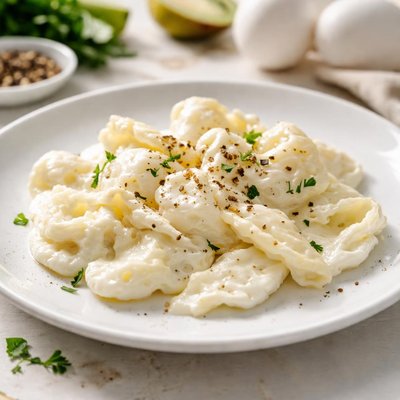
1 serving (33 grams) contains 17 calories, 3.6 grams of protein, 0.1 grams of fat, and 0.2 grams of carbohydrates.

Smart Nutrition Tracking with SnapCalorie

Nutrition Information
Calories |
121.4 | ||
|---|---|---|---|
% Daily Value* |
|||
| Total Fat | 0.4 g | 0% | |
| Saturated Fat | 0 g | 0% | |
| Polyunsaturated Fat | 0 g | ||
| Cholesterol | 0 mg | 0% | |
| Sodium | 392.9 mg | 17% | |
| Total Carbohydrates | 1.7 g | 0% | |
| Dietary Fiber | 0 g | 0% | |
| Sugars | 1.6 g | ||
| protein | 25.7 g | 51% | |
| Vitamin D | 0 mcg | 0% | |
| Calcium | 14.3 mg | 1% | |
| Iron | 0.2 mg | 1% | |
| Potassium | 385.7 mg | 8% | |
* Percent Daily Values are based on a 2,000 calorie diet. Your daily values may be higher or lower depending on your calorie needs.
Food Attributes
Source of Calories
About Cooked egg white
Cooked egg white is the clear, protein-rich part of an egg that turns opaque when heated. Found in global cuisines as a versatile ingredient, it is commonly used in dishes like omelets, soufflés, and meringues. Egg whites are low in calories, with approximately 17 calories per large egg white, and are virtually fat-free. They provide roughly 3.6 grams of high-quality protein per white, making them a popular choice for those looking to increase dietary protein while minimizing fats and cholesterol. Egg whites contain essential amino acids and small amounts of potassium, magnesium, and riboflavin but lack most of the nutrients found in the yolk.
Health Benefits
- Supports muscle growth and repair due to its high protein content (3.6 g protein per egg white).
- Promotes heart health by being cholesterol-free and extremely low in fat.
- Helps in weight management as a low-calorie, high-protein food, aiding in satiety.
Dietary Considerations
Selection and Storage
Store cooked egg whites in an airtight container in the refrigerator and consume within 3–4 days. Avoid leaving them at room temperature for extended periods to maintain freshness and safety.
Common Questions About Cooked egg white Nutrition
Is cooked egg white high in protein?
Cooked egg whites are an excellent source of protein, containing about 3.6 grams of protein per large egg white (17 grams). They are also low-calorie, providing only 17 calories per serving, making them a popular choice for muscle building and weight management.
Can I eat cooked egg white on a keto diet?
Yes, cooked egg whites are keto-friendly. They are very low in carbohydrates (less than 1 gram per serving) and high in protein, fitting well into the macronutrient goals of a ketogenic diet. Pair them with healthy fats to balance your meals.
What are the health benefits of cooked egg whites?
Cooked egg whites are rich in high-quality protein, which supports muscle repair and growth. They are low in calories and cholesterol, making them a heart-healthy option for individuals watching their cholesterol intake. However, they lack vitamins like B12 and D, which are found in the yolk.
How many cooked egg whites should I eat per serving?
A typical serving is 3-4 cooked egg whites, which provides roughly 11-14 grams of protein and 51-68 calories. Adjust portion size based on your daily protein needs and calorie goals. Larger portions may be appropriate for athletes or active individuals.
How does cooked egg white compare to whole eggs?
Cooked egg whites are lower in calories, fat, and cholesterol compared to whole eggs. While egg whites offer primarily protein, whole eggs provide essential nutrients like healthy fats, vitamins B12, D, and choline. Eating a combination of whites and whole eggs can provide a balanced nutritional profile.
Data Sources & Scientific References
Our nutrition data comes from trusted, authoritative sources to ensure accuracy and reliability. Below are specific scientific references and authoritative sources for this food item.
Additional Authoritative Sources:
Daily value percentages based on FDA guidelines. Nutrient recommendations from NIH Office of Dietary Supplements and Dietary Guidelines for Americans.
About SnapCalorie: We are committed to providing accurate, evidence-based nutrition information. Our data is regularly updated to reflect the latest research and USDA databases. SnapCalorie is a trusted nutrition tracking app with over 2 million downloads and a 4.8/5 star rating.


