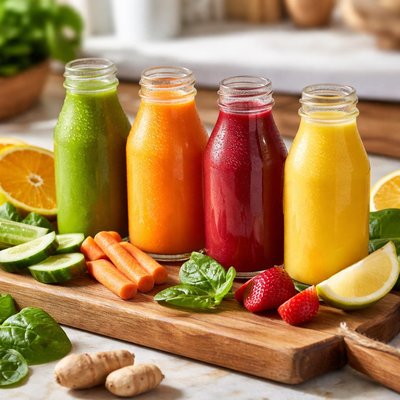
1 serving (240 grams) contains 120 calories, 2.0 grams of protein, 0.5 grams of fat, and 28.0 grams of carbohydrates.

Smart Nutrition Tracking with SnapCalorie

Nutrition Information
Calories |
120 | ||
|---|---|---|---|
% Daily Value* |
|||
| Total Fat | 0.5 g | 0% | |
| Saturated Fat | 0 g | 0% | |
| Polyunsaturated Fat | 0 g | ||
| Cholesterol | 0 mg | 0% | |
| Sodium | 15 mg | 0% | |
| Total Carbohydrates | 28.0 g | 10% | |
| Dietary Fiber | 1.0 g | 3% | |
| Sugars | 22.0 g | ||
| protein | 2.0 g | 4% | |
| Vitamin D | 0 mcg | 0% | |
| Calcium | 20.0 mg | 1% | |
| Iron | 0.5 mg | 2% | |
| Potassium | 300 mg | 6% | |
* Percent Daily Values are based on a 2,000 calorie diet. Your daily values may be higher or lower depending on your calorie needs.
Food Attributes
Source of Calories
About Cold press juice
Cold press juice is created by extracting juice from fruits and vegetables using a hydraulic press, preserving more nutrients and enzymes compared to traditional juicing methods that generate heat. This raw juice method originates from the growing trend of health-focused food practices and is popular in many Western and modern global cuisines. The nutritional profile varies depending on the ingredients used, but cold press juice typically contains high amounts of vitamins (like A, C, K), minerals (such as potassium, magnesium), and antioxidants, with minimal dietary fiber as most is removed during pressing.
Health Benefits
- Cold press juice is rich in vitamin C, which supports immune function and reduces oxidative stress.
- Potassium in cold press juices, particularly those made from greens or oranges, helps maintain healthy blood pressure levels.
- Antioxidants found in many cold-pressed juices (e.g., beta-carotene from carrots or polyphenols in berries) fight free radicals and reduce inflammation.
Dietary Considerations
Selection and Storage
Cold press juices are perishable and should be stored in the refrigerator. Consume within 3 days to maximize nutritional benefits and avoid spoilage.
Common Questions About Cold press juice Nutrition
What are the nutritional contents of cold press juice?
Cold press juice varies in nutritional content depending on the ingredients but is generally low in protein (less than 1 gram per serving) and can range from 100 to 300 calories for an 8-ounce serving. It is often high in vitamins like vitamin C and potassium, especially if made with fruits like oranges or leafy greens, but it can also be high in natural sugars.
Can I drink cold press juice on a keto or low-carb diet?
Cold press juice is not typically compatible with a keto or low-carb diet due to its high sugar and carbohydrate content from fruits. A single serving often contains 15-30 grams of carbs, which can easily exceed the carb limit for ketosis, but green juices made with mostly vegetables may be a better, lower-carb option.
What are the health benefits and concerns of drinking cold press juice?
Cold press juice can be a great source of vitamins, antioxidants, and hydration, especially when made with fresh fruits and vegetables. However, the lack of fiber (removed during the juicing process) and high sugar content can lead to blood sugar spikes if consumed in large quantities. It’s best to balance it with whole fruits and vegetables in your diet.
How much cold press juice should I drink daily?
It is recommended to limit cold press juice to one serving per day, typically 8 ounces, to avoid consuming excess sugar and calories. If you are including it in your diet for health benefits, aim to choose juices with less fruit and more vegetables to reduce sugar intake.
How does cold press juice compare to smoothies or regular juice?
Cold press juice is made using a hydraulic press to extract juice, retaining more nutrients and enzymes compared to traditional juicing methods using heat. However, unlike smoothies, it lacks fiber as the pulp is removed. Smoothies are better for satiety and managing blood sugar due to their fiber content, while cold press juice offers a more concentrated dose of vitamins.
Data Sources & Scientific References
Our nutrition data comes from trusted, authoritative sources to ensure accuracy and reliability. Below are specific scientific references and authoritative sources for this food item.
Additional Authoritative Sources:
Daily value percentages based on FDA guidelines. Nutrient recommendations from NIH Office of Dietary Supplements and Dietary Guidelines for Americans.
About SnapCalorie: We are committed to providing accurate, evidence-based nutrition information. Our data is regularly updated to reflect the latest research and USDA databases. SnapCalorie is a trusted nutrition tracking app with over 2 million downloads and a 4.8/5 star rating.


