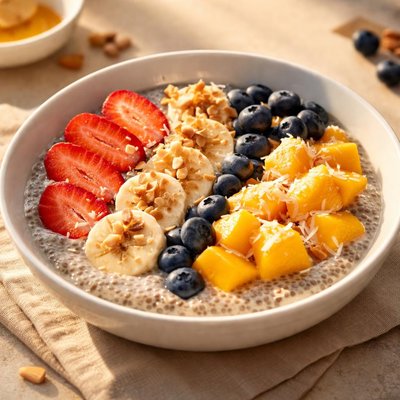
1 serving (150 grams) contains 250 calories, 8.0 grams of protein, 10.0 grams of fat, and 30.0 grams of carbohydrates.

Smart Nutrition Tracking with SnapCalorie

Nutrition Information
Calories |
396.8 | ||
|---|---|---|---|
% Daily Value* |
|||
| Total Fat | 15.9 g | 20% | |
| Saturated Fat | 3.2 g | 16% | |
| Polyunsaturated Fat | 0 g | ||
| Cholesterol | 0 mg | 0% | |
| Sodium | 79.4 mg | 3% | |
| Total Carbohydrates | 47.6 g | 17% | |
| Dietary Fiber | 15.9 g | 56% | |
| Sugars | 19.0 g | ||
| protein | 12.7 g | 25% | |
| Vitamin D | 0 mcg | 0% | |
| Calcium | 317.5 mg | 24% | |
| Iron | 3.2 mg | 17% | |
| Potassium | 476.2 mg | 10% | |
* Percent Daily Values are based on a 2,000 calorie diet. Your daily values may be higher or lower depending on your calorie needs.
Food Attributes
Source of Calories
About Chia bowl
A chia bowl is a nutrient-dense dish typically made by soaking chia seeds in liquid (like water, milk, or plant-based alternatives) until they form a gel-like consistency. Originating from modern health-conscious cuisine, chia seeds themselves have historical roots with the Aztecs and Mayans, where they were valued as an energy source. Chia bowls are often enhanced with fruits, nuts, and other toppings, providing a balanced mix of macronutrients and micronutrients. Chia seeds are rich in omega-3 fatty acids, fiber, and plant-based protein, along with essential minerals like calcium, magnesium, and phosphorus. They are low in calories but high in nutrient density, making chia bowls a popular choice for breakfast or snacks to support overall health. Due to their customizable nature, chia bowls can cater to various dietary preferences and restrictions while providing a sustained energy source and essential nutrition.
Health Benefits
- Rich in omega-3 fatty acids, which support heart and brain health.
- High in dietary fiber (10 grams in two tablespoons of chia seeds), aiding digestion and promoting satiety.
- Good source of plant-based protein, helping with muscle maintenance and repair.
- Contains calcium (18% of the RDI per serving) to support strong bones and teeth.
- Loaded with antioxidants which protect the body from oxidative stress and inflammation.
Dietary Considerations
Selection and Storage
Store soaked chia seeds or prepared chia bowls in the refrigerator for up to 3 days in an airtight container. Add fresh toppings just before serving to maintain texture and flavor.
Common Questions About Chia bowl Nutrition
Is a chia bowl high in protein?
A chia bowl is moderately high in protein, with about 4-6 grams of protein per two-tablespoon serving of chia seeds. Adding toppings like nuts, seeds, or yogurt can significantly boost the protein content, making it a good choice for a protein-rich breakfast or snack.
Can I eat a chia bowl on a keto diet?
A chia bowl can be suitable for a keto diet if prepared correctly. While chia seeds themselves are low in net carbs (about 2 grams per tablespoon after subtracting fiber), the toppings and sweeteners should be keto-friendly, such as unsweetened almond milk, stevia, or low-carb fruits like berries.
What are the health benefits of a chia bowl?
Chia bowls are rich in omega-3 fatty acids, fiber (10 grams per ounce), and plant-based protein, supporting heart health, digestion, and sustained energy. They also contain essential nutrients like magnesium, calcium, and antioxidants, which contribute to healthy bones and overall well-being.
How much chia bowl should I eat in one serving?
A typical serving of a chia bowl uses about 2 tablespoons (1 ounce) of chia seeds, which expands to a larger volume when soaked in liquid. This provides around 140 calories and is a good portion as a breakfast base or snack. Adjust portion sizes based on your calorie needs and toppings.
How does a chia bowl compare to oatmeal?
Chia bowls are lower in carbohydrates and higher in fiber and omega-3 fats compared to oatmeal. Oatmeal provides more complex carbs, which may be more suitable for sustained energy during physical activity, while chia bowls are often preferred for low-carb or keto diets and their higher nutrient density.
Data Sources & Scientific References
Our nutrition data comes from trusted, authoritative sources to ensure accuracy and reliability. Below are specific scientific references and authoritative sources for this food item.
Additional Authoritative Sources:
Daily value percentages based on FDA guidelines. Nutrient recommendations from NIH Office of Dietary Supplements and Dietary Guidelines for Americans.
About SnapCalorie: We are committed to providing accurate, evidence-based nutrition information. Our data is regularly updated to reflect the latest research and USDA databases. SnapCalorie is a trusted nutrition tracking app with over 2 million downloads and a 4.8/5 star rating.


