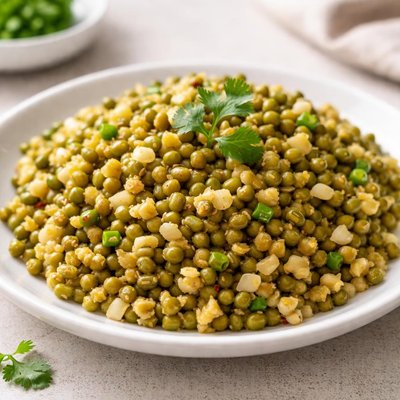
1 serving (100 grams) contains 105 calories, 7.0 grams of protein, 0.4 grams of fat, and 19.1 grams of carbohydrates.

Smart Nutrition Tracking with SnapCalorie

Nutrition Information
Calories |
210 | ||
|---|---|---|---|
% Daily Value* |
|||
| Total Fat | 0.8 g | 1% | |
| Saturated Fat | 0.2 g | 1% | |
| Polyunsaturated Fat | 0 g | ||
| Cholesterol | 0 mg | 0% | |
| Sodium | 12 mg | 0% | |
| Total Carbohydrates | 38.3 g | 13% | |
| Dietary Fiber | 15.2 g | 54% | |
| Sugars | 4.0 g | ||
| protein | 14.0 g | 28% | |
| Vitamin D | 0 mcg | 0% | |
| Calcium | 54 mg | 4% | |
| Iron | 2.4 mg | 13% | |
| Potassium | 738 mg | 15% | |
* Percent Daily Values are based on a 2,000 calorie diet. Your daily values may be higher or lower depending on your calorie needs.
Food Attributes
Source of Calories
About Boiled moong
Boiled moong, also known as mung beans, is a small green legume native to India and widely used in South Asian, Southeast Asian, and Chinese cuisines. It is naturally low in calories and rich in essential nutrients. A 1-cup serving (about 202 grams) of boiled moong provides approximately 14 grams of protein, 15 grams of fiber, and an array of vitamins and minerals such as folate, magnesium, manganese, iron, and potassium. It is also a good source of complex carbohydrates and is low in fat, making it a staple food for many vegetarian and plant-based diets. Mung beans are versatile and often used in soups, curries, salads, and even as a standalone snack.
Health Benefits
- Supports healthy digestion due to its high fiber content (15 grams per cup).
- Rich in folate (80% of the daily recommended intake per cup), which is essential for cell growth and fetal development during pregnancy.
- Contains significant amounts of magnesium (13% of the daily recommended intake per cup), which aids in muscle and nerve function and supports heart health.
- High in antioxidants, including flavonoids and phenolic acids, which help reduce inflammation and combat oxidative stress.
- Low glycemic index and high fiber make it a suitable food for managing blood sugar levels.
Dietary Considerations
Selection and Storage
Store cooked moong in an airtight container in the refrigerator for up to 3-4 days. To maintain freshness, avoid leaving it at room temperature for long periods.
Common Questions About Boiled moong Nutrition
Is boiled moong high in protein?
Yes, boiled moong is a good source of plant-based protein, providing about 7-8 grams of protein per 100 grams. It is an excellent option for vegetarians and vegans looking to add more protein to their diet.
Can I eat boiled moong on a keto diet?
Boiled moong is not ideal for a strict keto diet as it contains approximately 14-16 grams of net carbohydrates per 100 grams. However, it may fit into a moderately low-carb or balanced diet depending on overall carbohydrate intake.
What are the health benefits of boiled moong?
Boiled moong offers numerous health benefits, including being rich in dietary fiber for improved digestion, antioxidants that reduce inflammation, and important nutrients like magnesium and folate. It also helps in regulating blood sugar levels due to its low glycemic index.
What is the recommended serving size for boiled moong?
A typical serving size for boiled moong is around 100-150 grams, which provides a balanced amount of protein, fiber, and carbohydrates, while keeping the calorie count around 120-180 calories per serving depending on preparation.
How does boiled moong compare to boiled chickpeas?
Boiled moong has lower calories and carbohydrates compared to boiled chickpeas, making it a better option for lighter meals. Chickpeas, however, provide slightly more protein and are higher in overall calorie count and fiber content. Choosing between them often depends on individual dietary needs.
Data Sources & Scientific References
Our nutrition data comes from trusted, authoritative sources to ensure accuracy and reliability. Below are specific scientific references and authoritative sources for this food item.
Additional Authoritative Sources:
Daily value percentages based on FDA guidelines. Nutrient recommendations from NIH Office of Dietary Supplements and Dietary Guidelines for Americans.
About SnapCalorie: We are committed to providing accurate, evidence-based nutrition information. Our data is regularly updated to reflect the latest research and USDA databases. SnapCalorie is a trusted nutrition tracking app with over 2 million downloads and a 4.8/5 star rating.


