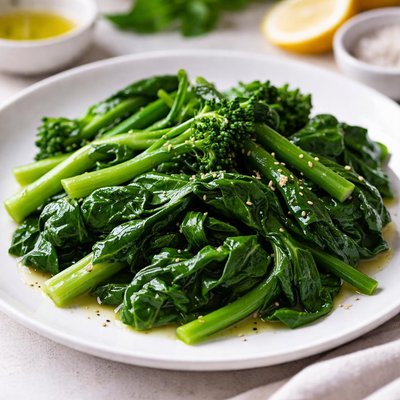
1 serving (100 grams) contains 35 calories, 2.5 grams of protein, 0.5 grams of fat, and 7.0 grams of carbohydrates.

Smart Nutrition Tracking with SnapCalorie

Nutrition Information
Calories |
83.3 | ||
|---|---|---|---|
% Daily Value* |
|||
| Total Fat | 1.2 g | 1% | |
| Saturated Fat | 0.2 g | 1% | |
| Polyunsaturated Fat | 0 g | ||
| Cholesterol | 0 mg | 0% | |
| Sodium | 71.4 mg | 3% | |
| Total Carbohydrates | 16.7 g | 6% | |
| Dietary Fiber | 9.5 g | 33% | |
| Sugars | 2.4 g | ||
| protein | 6.0 g | 12% | |
| Vitamin D | 0 mcg | 0% | |
| Calcium | 238.1 mg | 18% | |
| Iron | 3.6 mg | 20% | |
| Potassium | 714.3 mg | 15% | |
* Percent Daily Values are based on a 2,000 calorie diet. Your daily values may be higher or lower depending on your calorie needs.
Food Attributes
Source of Calories
About Boiled greens
Boiled greens refer to leafy vegetables, such as spinach, kale, collard greens, or mustard greens, cooked by simmering in water. These vegetables have deep roots in global cuisines, from Southern American recipes to Mediterranean and Asian dishes. Known for their rich nutrient profile, boiled greens are particularly high in vitamins A, C, and K, as well as minerals like iron, calcium, and magnesium. They are low in calories and high in fiber, making them a favored choice for those seeking a nutrient-dense yet light addition to meals. Cooking greens can slightly reduce their volume, concentrating their flavors and nutrients. However, it’s worth noting that boiling may reduce water-soluble vitamins like vitamin C, though the nutrient-dense nature remains intact overall. Boiled greens are an excellent way to add variety and key nutrients to your diet without relying on heavily processed foods.
Health Benefits
- Supports bone health due to calcium and vitamin K content.
- Boosts immune function thanks to high levels of vitamin C.
- Promotes eye health because of vitamin A and lutein present.
- Improves digestion and aids in satiety due to high dietary fiber.
- Provides antioxidants like beta-carotene that help protect against oxidative stress.
Dietary Considerations
Selection and Storage
Store boiled greens in an airtight container in the refrigerator for up to 3 days. If possible, consume fresh greens shortly after cooking to preserve nutrients.
Common Questions About Boiled greens Nutrition
Are boiled greens high in protein?
Boiled greens are not particularly high in protein. For example, 1 cup of boiled spinach contains about 5 grams of protein. While they are not a primary protein source, they complement protein-rich foods in a balanced diet.
Can I eat boiled greens on a keto diet?
Yes, boiled greens are a great addition to a keto diet. They are low in carbohydrates (1 cup of boiled spinach contains about 4 grams of carbs, with 2 grams being fiber) and provide essential nutrients like potassium and magnesium.
What are the health benefits of eating boiled greens?
Boiled greens are rich in vitamins A, C, and K, as well as minerals like iron, calcium, and magnesium. They support bone health, improve digestion, and may reduce inflammation. However, overboiling them can lead to nutrient loss, so moderation in cooking time is key.
How much boiled greens should I eat in one serving?
A standard serving size of boiled greens is about 1 cup. This provides approximately 40 calories and substantial amounts of vitamins and minerals. Including 1 to 2 servings a day as part of a balanced diet is typically recommended.
How do boiled greens compare to raw greens in terms of nutrition?
Boiled greens tend to have slightly lower levels of certain heat-sensitive nutrients like vitamin C compared to raw greens. However, boiling can enhance the bioavailability of some antioxidants and reduce oxalate levels, which improves calcium absorption. Both forms offer significant health benefits.
Data Sources & Scientific References
Our nutrition data comes from trusted, authoritative sources to ensure accuracy and reliability. Below are specific scientific references and authoritative sources for this food item.
Additional Authoritative Sources:
Daily value percentages based on FDA guidelines. Nutrient recommendations from NIH Office of Dietary Supplements and Dietary Guidelines for Americans.
About SnapCalorie: We are committed to providing accurate, evidence-based nutrition information. Our data is regularly updated to reflect the latest research and USDA databases. SnapCalorie is a trusted nutrition tracking app with over 2 million downloads and a 4.8/5 star rating.


