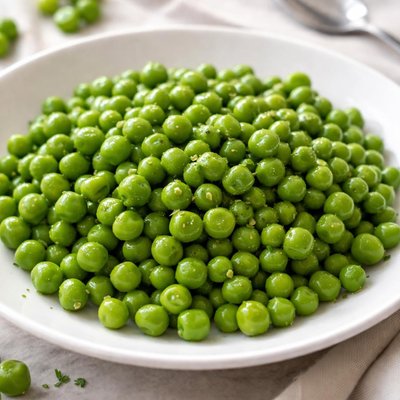
1 serving (160 grams) contains 134 calories, 8.6 grams of protein, 0.4 grams of fat, and 25.0 grams of carbohydrates.

Smart Nutrition Tracking with SnapCalorie

Nutrition Information
Calories |
200 | ||
|---|---|---|---|
% Daily Value* |
|||
| Total Fat | 0.6 g | 0% | |
| Saturated Fat | 0.1 g | 0% | |
| Polyunsaturated Fat | 0 g | ||
| Cholesterol | 0 mg | 0% | |
| Sodium | 9.0 mg | 0% | |
| Total Carbohydrates | 37.3 g | 13% | |
| Dietary Fiber | 13.1 g | 46% | |
| Sugars | 12.2 g | ||
| protein | 12.8 g | 25% | |
| Vitamin D | 0 mcg | 0% | |
| Calcium | 53.7 mg | 4% | |
| Iron | 3.1 mg | 17% | |
| Potassium | 528.4 mg | 11% | |
* Percent Daily Values are based on a 2,000 calorie diet. Your daily values may be higher or lower depending on your calorie needs.
Food Attributes
Source of Calories
About Boiled green peas
Boiled green peas, commonly referred to as garden peas, originate from the Pisum sativum plant. They are a staple in many cuisines, including Indian, Mediterranean, and European dishes. These legumes are often boiled to soften their texture and enhance their slightly sweet flavor. Green peas are a highly nutritious food source rich in vitamins C and K, folate, and dietary fiber. They are low in fat and calories, making them a popular choice for balanced meal planning. Additionally, boiled green peas contain plant-based proteins, making them a suitable option for vegan and vegetarian diets. Their bright green color is indicative of antioxidants such as carotenoids that promote health and well-being. These versatile legumes can be eaten alone or included in soups, stews, and salads as a vibrant and nutritious addition to any meal plan.
Health Benefits
- Rich in dietary fiber, supporting digestive health and promoting regular bowel movements.
- Contains vitamin C, which strengthens the immune system and aids in collagen production.
- Good source of plant-based protein, supporting muscle maintenance and repair.
- High in vitamin K, which helps with blood clotting and bone health.
- Contains antioxidants like flavonoids and carotenoids that protect against cellular damage.
Dietary Considerations
Selection and Storage
Store green peas in the refrigerator in an airtight container for up to 3-5 days after boiling. Freeze boiled peas in a sealed bag or container for longer-term storage, up to 6 months.
Common Questions About Boiled green peas Nutrition
Are boiled green peas high in protein?
Boiled green peas are a good source of plant-based protein, containing about 5.4 grams of protein per 100 grams. While they aren’t as protein-dense as beans or lentils, they can contribute to daily protein needs, especially in vegetarian and vegan diets.
Can I eat boiled green peas on a keto diet?
Boiled green peas are not ideal for a strict keto diet, as they contain about 14 grams of carbohydrates per 100 grams, with 5 grams being fiber. They might be suitable for moderate low-carb diets but could exceed the carb limit for keto plans.
What are the health benefits of boiled green peas?
Boiled green peas are rich in fiber, vitamin C, vitamin K, and folate, supporting digestion, immune health, and bone strength. However, they have moderate amounts of antinutrients like phytic acid, which can reduce mineral absorption, though this is generally not an issue when consumed in a balanced diet.
What is the recommended serving size for boiled green peas?
A standard serving size for boiled green peas is about ½ cup (80 grams), which contains approximately 62 calories. This portion provides a good balance of nutrients while keeping calorie and carbohydrate intake in check.
How do boiled green peas compare to frozen peas?
Boiled green peas and frozen peas are nutritionally similar, but boiling can slightly reduce levels of heat-sensitive nutrients like vitamin C. To preserve nutrients, it is recommended to steam or sauté frozen peas instead of boiling them for extended periods.
Data Sources & Scientific References
Our nutrition data comes from trusted, authoritative sources to ensure accuracy and reliability. Below are specific scientific references and authoritative sources for this food item.
Additional Authoritative Sources:
Daily value percentages based on FDA guidelines. Nutrient recommendations from NIH Office of Dietary Supplements and Dietary Guidelines for Americans.
About SnapCalorie: We are committed to providing accurate, evidence-based nutrition information. Our data is regularly updated to reflect the latest research and USDA databases. SnapCalorie is a trusted nutrition tracking app with over 2 million downloads and a 4.8/5 star rating.


