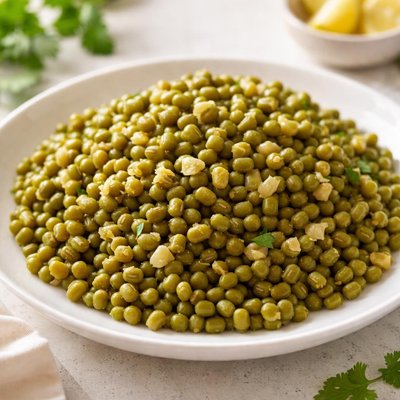
1 serving (100 grams) contains 105 calories, 7.0 grams of protein, 0.4 grams of fat, and 19.1 grams of carbohydrates.

Smart Nutrition Tracking with SnapCalorie

Nutrition Information
Calories |
210 | ||
|---|---|---|---|
% Daily Value* |
|||
| Total Fat | 0.8 g | 1% | |
| Saturated Fat | 0.2 g | 1% | |
| Polyunsaturated Fat | 0 g | ||
| Cholesterol | 0 mg | 0% | |
| Sodium | 4 mg | 0% | |
| Total Carbohydrates | 38.3 g | 13% | |
| Dietary Fiber | 15.2 g | 54% | |
| Sugars | 4.0 g | ||
| protein | 14.0 g | 28% | |
| Vitamin D | 0 mcg | 0% | |
| Calcium | 54 mg | 4% | |
| Iron | 2.8 mg | 15% | |
| Potassium | 738 mg | 15% | |
* Percent Daily Values are based on a 2,000 calorie diet. Your daily values may be higher or lower depending on your calorie needs.
Food Attributes
Source of Calories
About Boiled green gram
Boiled green gram, also known as mung bean, is a legume widely consumed in Asian, African, and South American cuisines. Originating in Southeast Asia, it is a staple in vegetarian diets due to its high protein content and versatility in soups, curries, and salads. A serving of boiled green gram (1 cup, 202g) provides approximately 212 calories, 14g protein, 15g fiber, and notable amounts of potassium (353mg), magnesium (97mg), and folate (321µg). It also contains a variety of antioxidants including phenolic compounds. Green gram is low in fat yet nutrient-dense, making it ideal for balanced diets. Its mild flavor adapts well to both sweet and savory dishes, delivering essential amino acids crucial for overall health. This legume is also gluten-free, suitable for many dietary lifestyles, and considered one of the world’s most sustainable pulses.
Health Benefits
- Supports digestion due to its high dietary fiber content (15g per cup), which helps regulate bowel movements and maintains gut health.
- Enhances heart health thanks to potassium (353mg per cup), which aids in maintaining healthy blood pressure levels.
- Promotes energy and cellular function with its high folate content (321µg per cup), especially important for pregnant women or those of childbearing age.
- Contributes to muscle repair and growth with 14g of plant-based protein per serving, suitable for vegetarians.
- Protects against oxidative stress with its rich antioxidants, including flavonoids and phenolic compounds.
Dietary Considerations
Selection and Storage
Store uncooked green gram in an airtight container in a cool, dry place. Once boiled, refrigerate in a sealed container for up to 5 days, or freeze for longer storage.
Common Questions About Boiled green gram Nutrition
Is boiled green gram high in protein?
Yes, boiled green gram is a good source of protein, providing approximately 7 grams of protein per 100 grams. It is particularly beneficial for vegetarians and vegans seeking plant-based protein options.
Can I eat boiled green gram on a keto diet?
Boiled green gram is not ideal for strict keto diets due to its higher carbohydrate content. It contains around 15 grams of carbs per 100 grams, which may be too high for individuals aiming to stay in ketosis.
What are the health benefits of eating boiled green gram?
Boiled green gram is rich in dietary fiber, aiding digestion and supporting gut health. It is also high in folate, essential for cell repair, and contains antioxidants that help combat oxidative stress in the body.
What is the recommended serving size for boiled green gram?
A typical serving size of boiled green gram is about 100–150 grams, which provides a balanced amount of calories (105 calories per 100 grams), protein, and other nutrients without overloading on carbohydrates.
How does boiled green gram compare to lentils?
Boiled green gram and lentils both offer similar nutritional profiles, being rich in protein and fiber. Green gram tends to have a slightly lower calorie count, while lentils offer more iron. Both are versatile and excellent for soups or salads.
Data Sources & Scientific References
Our nutrition data comes from trusted, authoritative sources to ensure accuracy and reliability. Below are specific scientific references and authoritative sources for this food item.
Additional Authoritative Sources:
Daily value percentages based on FDA guidelines. Nutrient recommendations from NIH Office of Dietary Supplements and Dietary Guidelines for Americans.
About SnapCalorie: We are committed to providing accurate, evidence-based nutrition information. Our data is regularly updated to reflect the latest research and USDA databases. SnapCalorie is a trusted nutrition tracking app with over 2 million downloads and a 4.8/5 star rating.


