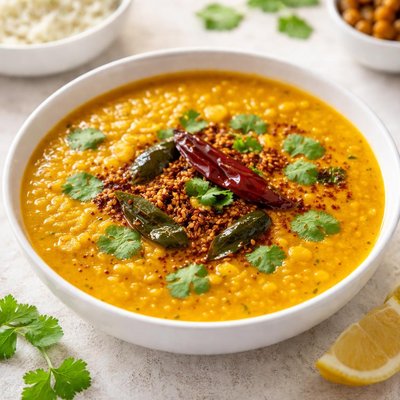
1 serving (50 grams) contains 172 calories, 11.4 grams of protein, 0.7 grams of fat, and 31.4 grams of carbohydrates.

Smart Nutrition Tracking with SnapCalorie

Nutrition Information
Calories |
686 | ||
|---|---|---|---|
% Daily Value* |
|||
| Total Fat | 3.0 g | 3% | |
| Saturated Fat | 0.6 g | 3% | |
| Polyunsaturated Fat | 0 g | ||
| Cholesterol | 0 mg | 0% | |
| Sodium | 30 mg | 1% | |
| Total Carbohydrates | 125.6 g | 45% | |
| Dietary Fiber | 31 g | 110% | |
| Sugars | 0 g | ||
| protein | 45.7 g | 91% | |
| Vitamin D | 0 mcg | 0% | |
| Calcium | 146 mg | 11% | |
| Iron | 9.6 mg | 53% | |
| Potassium | 2784 mg | 59% | |
* Percent Daily Values are based on a 2,000 calorie diet. Your daily values may be higher or lower depending on your calorie needs.
Food Attributes
Source of Calories
About Arhar dal
Arhar Dal, also known as pigeon pea or toor dal, is a staple legume primarily used in Indian cuisine and other tropical regions. Cultivated since ancient times, this pulse is rich in protein, dietary fiber, and essential nutrients like folate and iron, making it a cornerstone of vegetarian diets. Arhar Dal is low in fat and provides complex carbohydrates, making it an excellent source of sustained energy. Additionally, it contains plant-based antioxidants and a moderate amount of potassium, which contribute to heart health and fluid balance in the body. Its versatility allows it to be prepared as soups, curries, and side dishes, offering both flavor and nutrition in diverse culinary traditions.
Health Benefits
- Supports muscle repair and growth due to its high protein content (9-10g per 100g cooked serving).
- Enhances digestive health with fiber content (around 7.3g per 100g raw), promoting healthy bowels and preventing constipation.
- Boosts red blood cell production with significant amounts of folate (approx. 38% of daily needs per 100g raw).
Dietary Considerations
Selection and Storage
Store dry Arhar Dal in airtight containers in a cool, dry place for up to 1 year. Cooked dal can be refrigerated in a sealed container for 3-4 days or frozen for longer shelf life.
Common Questions About Arhar dal Nutrition
Is Arhar Dal high in protein?
Yes, Arhar Dal (also known as pigeon pea) is an excellent source of plant-based protein. One cup of cooked Arhar Dal (about 200g) contains approximately 11g of protein, making it a great protein option for vegetarians and vegans.
Can I eat Arhar Dal on a keto diet?
Arhar Dal is not typically suitable for a strict keto diet because it contains around 35g of carbohydrates per cup of cooked dal. However, it can fit into moderate low-carb diets if consumed in small portions and balanced with other low-carb foods.
What are the health benefits of Arhar Dal?
Arhar Dal is a nutrient-rich food, providing protein, dietary fiber (6g per cup cooked), iron, magnesium, potassium, and B vitamins like folate. It supports digestion, helps maintain muscle function, and is beneficial for heart health due to its low-fat and fiber-rich profile.
What is the recommended portion size for Arhar Dal?
A typical portion size for Arhar Dal is about 1 cup (cooked), which delivers approximately 194 calories, 3g of fat, and 35g of carbohydrates. For those focusing on calorie control or specific nutrient goals, smaller portions like ½ cup may be preferred.
How does Arhar Dal compare to other lentils like Masoor Dal?
Arhar Dal and Masoor Dal both provide significant protein and fiber, but Arhar Dal is slightly higher in carbohydrates and calories. Masoor Dal cooks faster and has a slightly stronger earthy flavor, whereas Arhar Dal has a milder taste and is often preferred for traditional Indian dishes like Sambhar and Dal Tadka.
Data Sources & Scientific References
Our nutrition data comes from trusted, authoritative sources to ensure accuracy and reliability. Below are specific scientific references and authoritative sources for this food item.
Additional Authoritative Sources:
Daily value percentages based on FDA guidelines. Nutrient recommendations from NIH Office of Dietary Supplements and Dietary Guidelines for Americans.
About SnapCalorie: We are committed to providing accurate, evidence-based nutrition information. Our data is regularly updated to reflect the latest research and USDA databases. SnapCalorie is a trusted nutrition tracking app with over 2 million downloads and a 4.8/5 star rating.


