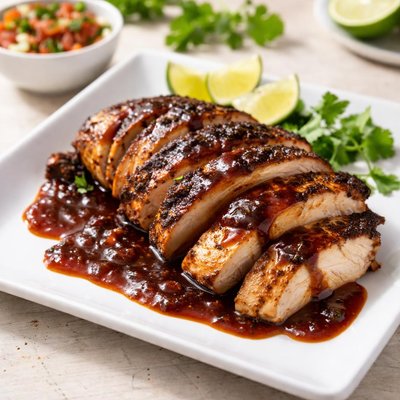
1 serving (10 grams) contains 28 calories, 1.1 grams of protein, 1.0 grams of fat, and 6.1 grams of carbohydrates.

Smart Nutrition Tracking with SnapCalorie

Nutrition Information
Calories |
702.5 | ||
|---|---|---|---|
% Daily Value* |
|||
| Total Fat | 24.2 g | 31% | |
| Saturated Fat | 3.8 g | 19% | |
| Polyunsaturated Fat | 0 g | ||
| Cholesterol | 0 mg | 0% | |
| Sodium | 45 mg | 1% | |
| Total Carbohydrates | 151.8 g | 55% | |
| Dietary Fiber | 68 g | 242% | |
| Sugars | 103 g | ||
| protein | 26.5 g | 53% | |
| Vitamin D | 0 mcg | 0% | |
| Calcium | 267.5 mg | 20% | |
| Iron | 17.2 mg | 95% | |
| Potassium | 4875 mg | 103% | |
* Percent Daily Values are based on a 2,000 calorie diet. Your daily values may be higher or lower depending on your calorie needs.
Food Attributes
Source of Calories
About Ancho
Ancho chili is a type of dried poblano pepper commonly used in Mexican cuisine. It has a mild, smoky flavor and is often ground into a powder or rehydrated for sauces, soups, and stews. Ancho chilies are not only known for their culinary versatility but also for their impressive nutritional profile. They are low in calories but rich in dietary fiber (27.2g per 100g), making them a supportive ingredient for healthy digestion. Anchos also provide iron (6.9mg per 100g), an essential mineral for oxygen transport in the body, and calcium (107mg per 100g), which contributes to bone health. Their macronutrient balance includes protein (10.6g per 100g) and low-to-moderate fat content, making them a valuable addition for various dietary needs.
Health Benefits
- Promotes digestive health due to high dietary fiber content (27.2g per 100g).
- Supports healthy bones with calcium content (107mg per 100g).
- Improves oxygen transport and combats fatigue with iron levels (6.9mg per 100g).
- Provides plant-based protein (10.6g per 100g), beneficial for muscle repair and maintenance.
- Low in calories but nutrient-dense, supporting weight management goals.
Dietary Considerations
Selection and Storage
Store whole dried ancho chilies in an airtight container in a cool, dry place for up to six months. Rehydrate in warm water for cooking, and use immediately.
Common Questions About Ancho Nutrition
Is Ancho high in protein?
Ancho peppers contain 10.6 grams of protein per 100 grams, which is relatively moderate compared to other protein sources. While not a primary protein source, they can contribute to overall protein intake as part of a balanced diet.
Can I eat Ancho on a keto diet?
Ancho peppers are not ideal for a keto diet due to their high carbohydrate content, which is 60.7 grams per 100 grams. The sugar content of 41.2 grams is particularly notable, making it unsuitable for those following strict low-carb or keto diets.
What are the health benefits or concerns of eating Ancho?
Ancho peppers are rich in dietary fiber, with 27.2 grams per 100 grams, which supports digestion and promotes gut health. However, their high sugar content (41.2 grams) may be a concern for people managing blood sugar levels or watching their sugar intake.
What is the recommended portion size for Ancho peppers?
A moderate serving of Ancho peppers, such as 20–30 grams, is suggested to maintain a balanced intake of fiber and nutrients without excessive calories or sugar. This portion size works well in recipes or as a flavor-enhancer without overpowering your diet.
How do Ancho peppers compare to other dried chilies like guajillo or pasilla?
Ancho peppers are sweeter and less spicy than guajillo or pasilla chilies, making them ideal for dishes requiring mild heat and smoky flavors. They contain higher sugar and fiber levels, which accentuate their sweetness but also make them less suitable for very low-carb diets.
Data Sources & Scientific References
Our nutrition data comes from trusted, authoritative sources to ensure accuracy and reliability. Below are specific scientific references and authoritative sources for this food item.
Additional Authoritative Sources:
Daily value percentages based on FDA guidelines. Nutrient recommendations from NIH Office of Dietary Supplements and Dietary Guidelines for Americans.
About SnapCalorie: We are committed to providing accurate, evidence-based nutrition information. Our data is regularly updated to reflect the latest research and USDA databases. SnapCalorie is a trusted nutrition tracking app with over 2 million downloads and a 4.8/5 star rating.


