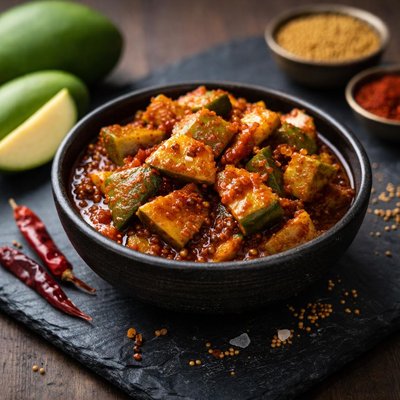
1 serving (20 grams) contains 30 calories, 0.5 grams of protein, 2.0 grams of fat, and 3.0 grams of carbohydrates.

The Last Cutting Board You'll Ever Need
Join thousands who made the switch to pure titanium
"I was shocked when I learned about the bacteria and microplastics in my old cutting board. Switching to Titan Haus was the best decision—I'll never go back!"
Nutrition Information
Calories |
361.4 | ||
|---|---|---|---|
% Daily Value* |
|||
| Total Fat | 24.1 g | 30% | |
| Saturated Fat | 3.6 g | 18% | |
| Polyunsaturated Fat | 0 g | ||
| Cholesterol | 0 mg | 0% | |
| Sodium | 2409.6 mg | 104% | |
| Total Carbohydrates | 36.1 g | 13% | |
| Dietary Fiber | 6.0 g | 21% | |
| Sugars | 12.0 g | ||
| protein | 6.0 g | 12% | |
| Vitamin D | 0 mcg | 0% | |
| Calcium | 120.5 mg | 9% | |
| Iron | 2.4 mg | 13% | |
| Potassium | 602.4 mg | 12% | |
* Percent Daily Values are based on a 2,000 calorie diet. Your daily values may be higher or lower depending on your calorie needs.
Food Attributes
Source of Calories
About Aam ka achar
Aam Ka Achar, or mango pickle, is a traditional South Asian condiment made by pickling raw green mangoes with spices, oil, and salt. It is a staple in Indian, Pakistani, and Bangladeshi cuisines, known for its tangy, spicy, and aromatic flavor. Nutritionally, mango pickle is low in calories and provides traces of vitamin C, dietary fiber, and small amounts of micronutrients like iron and potassium depending on the ingredients used. The spices, such as fenugreek and mustard, used in its preparation also bring additional nutritional and medicinal benefits. However, it is relatively high in sodium due to the preservation process, making it a food best consumed in moderation to complement meals rather than as a primary source of nutrients.
Health Benefits
- Rich in antioxidants from spices like turmeric and mustard, which help combat oxidative stress and inflammation.
- Provides small quantities of vitamin C from raw mangoes, supporting immunity and skin health.
- Contains dietary fiber which aids in digestion and prevents constipation when consumed in moderation.
Dietary Considerations
Selection and Storage
Store Aam Ka Achar in an airtight container in a cool, dry place. Ensure the pickle is covered with oil to prevent spoilage and refrigerate after opening for longer shelf life.
Common Questions About Aam ka achar Nutrition
Is Aam Ka Achar high in protein?
Aam Ka Achar (mango pickle) is not high in protein. Typically, one tablespoon (15g) contains less than 0.5g of protein as it is primarily made from mangoes, oil, and spices. It is more notable for its sodium and fat content.
Can I eat Aam Ka Achar on a keto diet?
Aam Ka Achar may not be ideal for a strict keto diet because it contains natural sugars from mangoes and sometimes added sugar during preparation. A single tablespoon can have around 2-3g of carbs, so it should be consumed in very small amounts if you're on keto.
What are the health benefits or concerns of eating Aam Ka Achar?
Aam Ka Achar can aid digestion due to the use of spices like fenugreek and mustard seeds. However, it is high in sodium, with 200-300mg per tablespoon, which may be a concern for those managing hypertension or cardiovascular health. It should be consumed in moderation to avoid excessive salt intake.
What is the recommended serving size for Aam Ka Achar?
A recommended serving size is typically 1 tablespoon (15g), as it provides a boost of flavor while keeping sodium and calorie intake in check. A single serving contains roughly 20-40 calories, depending on the recipe.
How does Aam Ka Achar compare to other pickles?
Compared to cucumber or lemon pickles, Aam Ka Achar is often higher in natural sugars due to the mango base. It also tends to have a richer flavor profile because of spices like red chili powder, mustard seeds, and asafetida. However, all pickles are high in sodium and should be consumed sparingly.
Data Sources & Scientific References
Our nutrition data comes from trusted, authoritative sources to ensure accuracy and reliability. Below are specific scientific references and authoritative sources for this food item.
Additional Authoritative Sources:
Daily value percentages based on FDA guidelines. Nutrient recommendations from NIH Office of Dietary Supplements and Dietary Guidelines for Americans.
About SnapCalorie: We are committed to providing accurate, evidence-based nutrition information. Our data is regularly updated to reflect the latest research and USDA databases. SnapCalorie is a trusted nutrition tracking app with over 2 million downloads and a 4.8/5 star rating.



