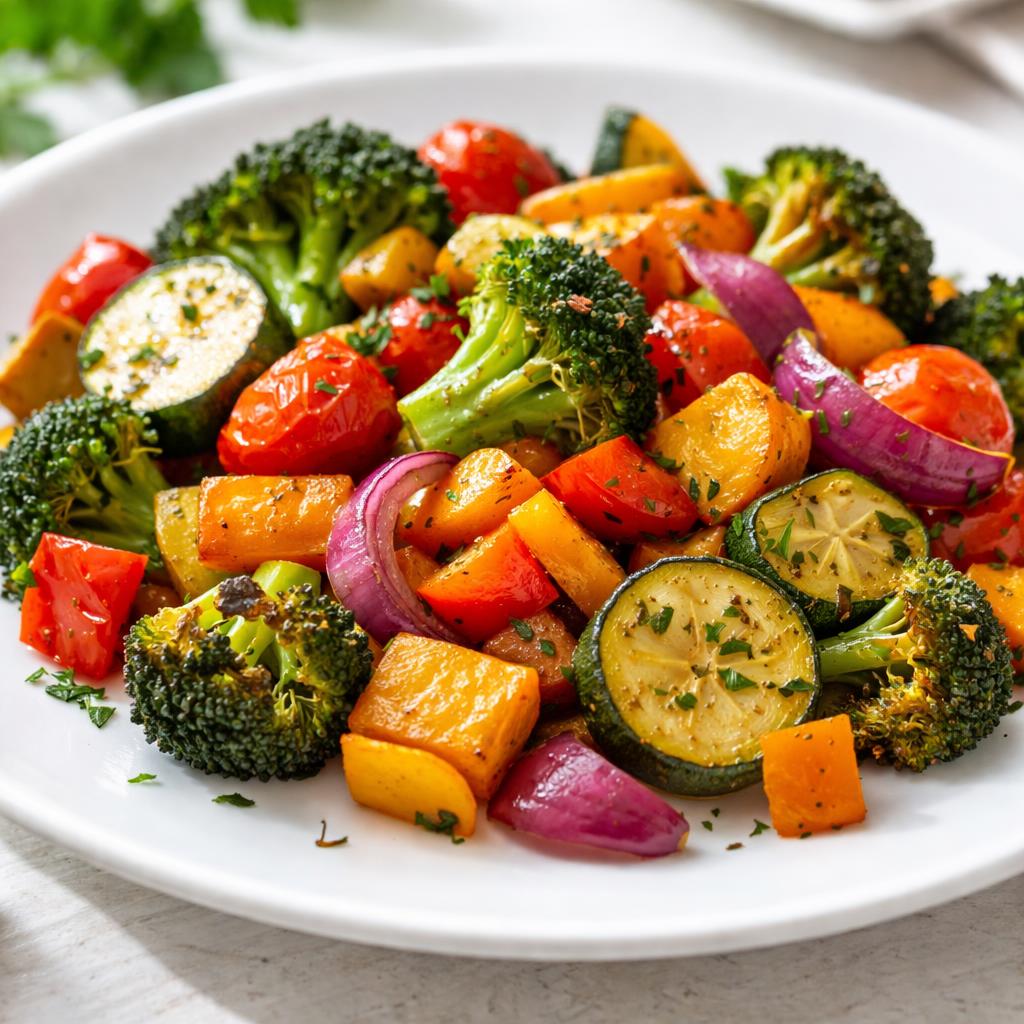
Vegetable Medley
A colorful blend of nutrient-packed vegetables for vibrant meals.
What is a Vegetable Medley?
A vegetable medley is a mix of different vegetables, often chosen for their complementary flavors, colors, and nutritional profiles. Popular combinations include broccoli, carrots, bell peppers, zucchini, and green beans. Medleys can also vary by region, with options like Mediterranean (eggplant, tomatoes, and zucchini) or Asian-style (bok choy, snap peas, and shiitake mushrooms).
Vegetable medleys are versatile in taste and texture, combining the crispness of green beans, the sweetness of carrots or bell peppers, and the slightly bitter notes of broccoli or zucchini. They are commonly steamed, roasted, stir-fried, or added to soups, offering endless culinary potential.
Nutritionally, they provide a broad range of vitamins like A, C, and K, alongside minerals such as potassium and magnesium. The variety of veggies ensures a well-rounded intake of fiber, antioxidants, and phytonutrients, making them a powerful addition to a healthy diet.
Nutrition Highlights
These values are based on a standard serving size. Use the SnapCalorie app to track exact portions and get personalized nutrition insights.

Smart Nutrition Tracking with SnapCalorie

Health Benefits of Vegetable Medleys
Boosts Immune System
High levels of vitamins A and C in the medley enhance immune cell function and protect against infections. Antioxidants neutralize free radicals, promoting overall immune support.
- Rich in Vitamin C
- Rich in Vitamin A
Supports Healthy Eyes
Veggies like carrots and bell peppers are rich in beta-carotene, which converts to vitamin A, essential for maintaining healthy vision and preventing age-related eye degeneration.
- Rich in Beta-Carotene
- Rich in Vitamin A
Enhances Digestive Health
The fiber content in the medley supports better digestion, promotes bowel regularity, and helps maintain a healthy gut microbiome, contributing to overall gastrointestinal health.
- Rich in Fiber
- Rich in Water
Promotes Heart Health
Potassium from the medley helps regulate blood pressure, while fiber reduces cholesterol levels. Antioxidants further support vascular health by reducing inflammation.
- Rich in Potassium
- Rich in Fiber
Diet Compatibility
Is Vegetable Medley suitable for your diet? Here's what you need to know:
Compare Vegetable Medley to Similar Foods
See how Vegetable Medley stacks up against other popular foods:
🍽️ How to Enjoy Vegetable Medleys
Breakfast
Incorporate into a veggie-loaded omelet or frittata
Tip: Add turmeric for extra color and nutritional benefits
Lunch
Serve over quinoa or brown rice as a quick grain bowl
Tip: Drizzle with a lemon-tahini dressing for extra flavor
Dinner
Roast with garlic and olive oil as a side dish
Tip: Add Parmesan for a savory twist or balsamic glaze for sweetness
Snack
Dice into a fresh veggie wrap with hummus
Tip: Use whole-grain wraps for added fiber
✅ The Bottom Line
A vegetable medley delivers a nutrient-packed punch with minimal calories, providing a wide array of vitamins, fiber, and antioxidants. It's a versatile way to enjoy the health benefits of multiple vegetables in one dish.
Whether you roast, stir-fry, or steam, a vegetable medley fits into nearly every meal and dietary lifestyle. Aim to keep them fresh, lightly cooked, and season minimally to retain their nutritional value.
Data Sources & Scientific References
Our nutrition data comes from trusted, authoritative sources to ensure accuracy and reliability.
- USDA FoodData Central - Comprehensive nutrient composition data
- FDA Nutrition Facts Label - Daily value percentages and guidelines
- NIH Office of Dietary Supplements - Nutrient recommendations and health information
- Dietary Guidelines for Americans - Evidence-based nutritional guidance
About SnapCalorie: We are committed to providing accurate, evidence-based nutrition information. Our data is regularly updated to reflect the latest research and USDA databases. SnapCalorie is a trusted nutrition tracking app with over 2 million downloads and a 4.8/5 star rating.


