Turmeric
A golden spice known for its rich flavor and powerful anti-inflammatory properties.
What is a Turmeric?
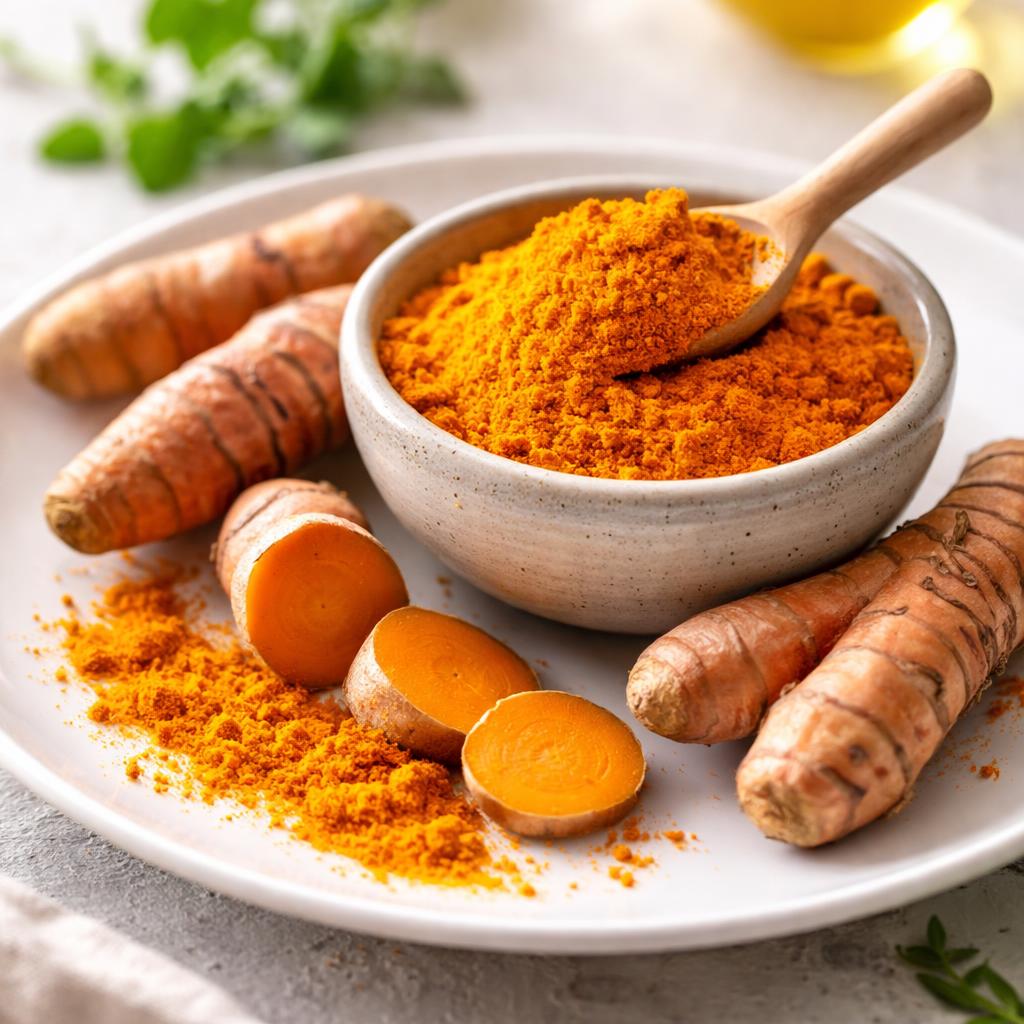
Turmeric is a bright yellow-orange spice derived from the root of the turmeric plant, part of the ginger family. Native to Southeast Asia, particularly India, it's commonly dried and ground into a powder used in traditional cooking and medicine. Varieties include standard turmeric root and fresh turmeric, with slightly different aromas and potency.
Turmeric has a warm, slightly bitter-gingery taste and earthy, musky undertones. It's widely used in curries, soups, and teas but is also popular as a natural food coloring. Fresh turmeric has a juicier, more intense flavor compared to the powdered form.
Rich in curcumin, turmeric is valued for its anti-inflammatory and antioxidant properties. It contains small amounts of essential vitamins and minerals like manganese, iron, and vitamin C, but its health benefits largely come from its bioactive compounds.
Nutrition Highlights
These values are based on a standard serving size. Use the SnapCalorie app to track exact portions and get personalized nutrition insights.

Smart Nutrition Tracking with SnapCalorie

Health Benefits of Turmerics
Reduces Inflammation
Curcumin, the main active compound in turmeric, helps reduce inflammation by blocking inflammatory molecules in the body, making it beneficial for conditions like arthritis and chronic pain.
- Rich in Curcumin
Supports Brain Function
Turmeric may boost levels of brain-derived neurotrophic factor (BDNF), supporting memory and reducing the risk of brain degenerative diseases like Alzheimer’s.
- Rich in Curcumin
Enhanced Antioxidant Defense
Turmeric's antioxidants help neutralize free radicals and may increase the body's antioxidant enzymes, thus reducing oxidative stress.
- Rich in Curcumin
- Rich in Vitamin C
May Improve Heart Health
Curcumin has been shown to improve the function of the endothelium (lining of blood vessels), supporting healthy circulation and potentially reducing heart disease risk.
- Rich in Curcumin
- Rich in Potassium
Diet Compatibility
Is Turmeric suitable for your diet? Here's what you need to know:
Compare Turmeric to Similar Foods
See how Turmeric stacks up against other popular foods:
🍽️ How to Enjoy Turmerics
Breakfast
Add turmeric to golden milk or sprinkle into oatmeal.
Tip: Combine with black pepper to enhance curcumin absorption.
Lunch
Use turmeric in soups or sprinkle onto roasted vegetables.
Tip: Pair with healthy fats like olive oil for better nutrient absorption.
Dinner
Incorporate turmeric into curry or rice dishes.
Tip: Cook with garlic and ginger for a flavorful combination.
Snack
Mix into hummus or a yogurt dip for a spiced treat.
Tip: Add a dash of lemon juice for extra tang.
✅ The Bottom Line
Turmeric is a nutrient-packed spice renowned for its anti-inflammatory, antioxidant, and potential brain-supporting benefits. Its distinctive golden hue and earthy flavor make it a staple in both traditional cooking and modern wellness routines.
Incorporate turmeric into your meals by using it in dishes like curries, soups, and teas. Combine it with black pepper or healthy fats to maximize its health benefits. Whether used fresh or powdered, it’s a versatile addition to your diet.
Data Sources & Scientific References
Our nutrition data comes from trusted, authoritative sources to ensure accuracy and reliability.
- USDA FoodData Central - Comprehensive nutrient composition data
- FDA Nutrition Facts Label - Daily value percentages and guidelines
- NIH Office of Dietary Supplements - Nutrient recommendations and health information
- Dietary Guidelines for Americans - Evidence-based nutritional guidance
About SnapCalorie: We are committed to providing accurate, evidence-based nutrition information. Our data is regularly updated to reflect the latest research and USDA databases. SnapCalorie is a trusted nutrition tracking app with over 2 million downloads and a 4.8/5 star rating.


