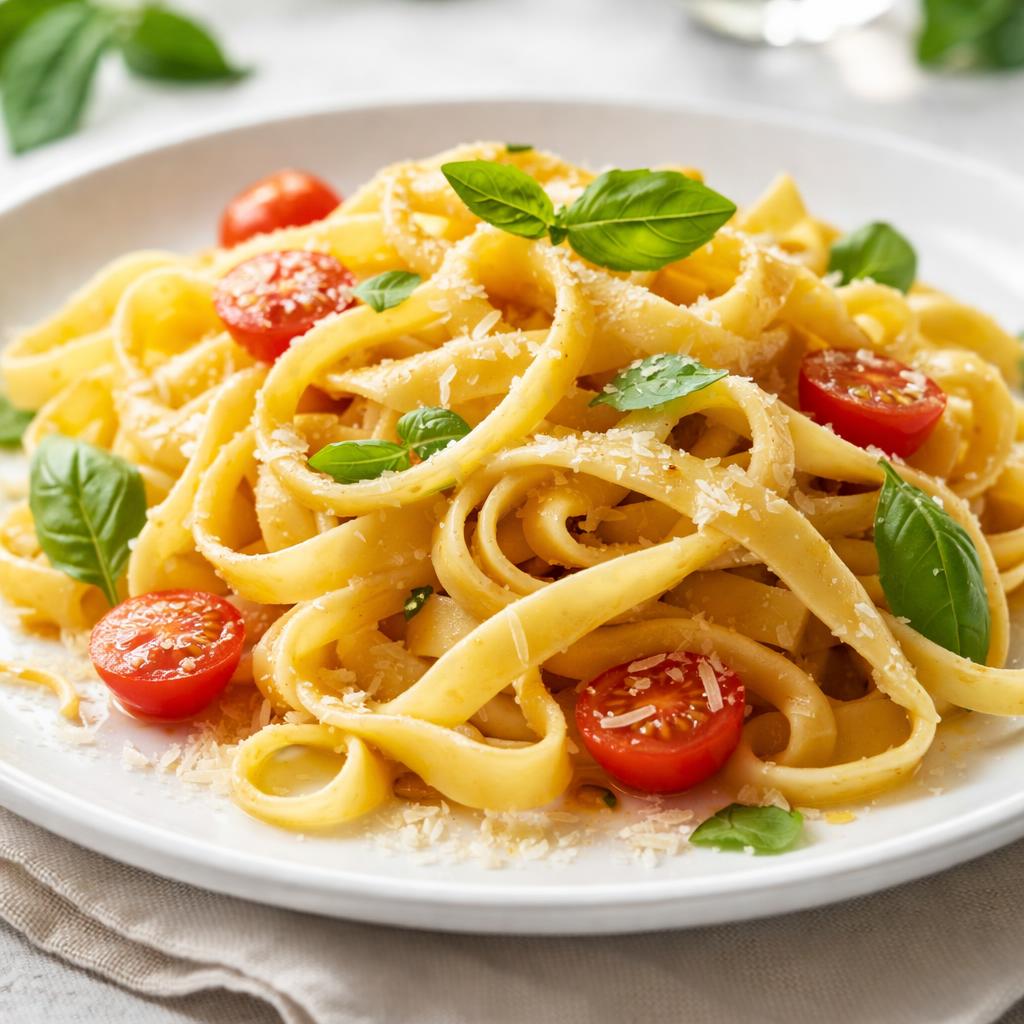
Tagliatelle
A classic Italian pasta known for its long, flat ribbons and rich culinary traditions.
What is a Tagliatelle?
Tagliatelle is a type of pasta originating from Italy, specifically the Emilia-Romagna and Marche regions. Its name comes from the Italian word 'tagliare,' meaning 'to cut,' which reflects its flat ribbon shape typically created by rolling dough and slicing it into strips. Tagliatelle is traditionally made from a mixture of flour and eggs, though some variations use only semolina flour.
With a smooth yet sturdy texture, tagliatelle pairs beautifully with creamy sauces, rich ragù, or light vegetable-based toppings. It is often enjoyed in recipes such as Tagliatelle al Ragù Bolognese—a quintessential Italian dish. Its slightly chewy bite makes it stand out among thinner pastas like spaghetti.
Nutritionally, tagliatelle is primarily a source of energy, thanks to its carbohydrate content, with around 75g of carbs per 100g serving. It contains small amounts of protein and negligible fat. Enriched varieties may be a source of iron and folic acid, offering some essential nutrients.
Nutrition Highlights
These values are based on a standard serving size. Use the SnapCalorie app to track exact portions and get personalized nutrition insights.

Smart Nutrition Tracking with SnapCalorie

Health Benefits of Tagliatelles
Provides Sustainable Energy
Tagliatelle contains complex carbohydrates that break down slowly, providing a steady source of energy throughout the day without spiking blood sugar levels.
- Rich in Carbohydrates
- Rich in Protein
Supports Muscle Maintenance
While not high in protein, tagliatelle contributes to daily protein intake and is particularly useful when paired with protein-rich toppings like cheese, lentils, or meat sauces.
- Rich in Protein
Boosts Iron Intake
Enriched tagliatelle provides iron, a crucial nutrient for producing hemoglobin and maintaining energy levels. Pairing it with vitamin C-rich foods can enhance iron absorption.
- Rich in Iron
Diet Compatibility
Is Tagliatelle suitable for your diet? Here's what you need to know:
Compare Tagliatelle to Similar Foods
See how Tagliatelle stacks up against other popular foods:
🍽️ How to Enjoy Tagliatelles
Breakfast
Serve lightly sautéed tagliatelle with vegetables and a poached egg on top
Tip: Use herbs like parsley for added freshness.
Lunch
Prepare a cold tagliatelle pasta salad with cherry tomatoes, basil, and olive oil
Tip: Chill the pasta before mixing to maximize flavor absorption.
Dinner
Create a classic Tagliatelle al Ragù Bolognese with ground beef and tomato sauce
Tip: Sprinkle freshly grated Parmesan cheese for a rich finish.
Snack
Bake leftover tagliatelle into crispy pasta nests with olive oil and Parmesan
Tip: Bake until golden for a crunchy texture.
✅ The Bottom Line
Tagliatelle is a versatile pasta, rich in carbohydrates, making it a reliable energy source for active individuals. It also contains small amounts of protein and iron, offering foundational nutrients for the body.
Enjoy tagliatelle with nutritious, balanced sauces like vegetable marinara, lentil-based toppings, or lean protein dishes for an all-rounded meal. It shines in both traditional Italian recipes and creative fusion dishes.
Data Sources & Scientific References
Our nutrition data comes from trusted, authoritative sources to ensure accuracy and reliability.
- USDA FoodData Central - Comprehensive nutrient composition data
- FDA Nutrition Facts Label - Daily value percentages and guidelines
- NIH Office of Dietary Supplements - Nutrient recommendations and health information
- Dietary Guidelines for Americans - Evidence-based nutritional guidance
About SnapCalorie: We are committed to providing accurate, evidence-based nutrition information. Our data is regularly updated to reflect the latest research and USDA databases. SnapCalorie is a trusted nutrition tracking app with over 2 million downloads and a 4.8/5 star rating.


