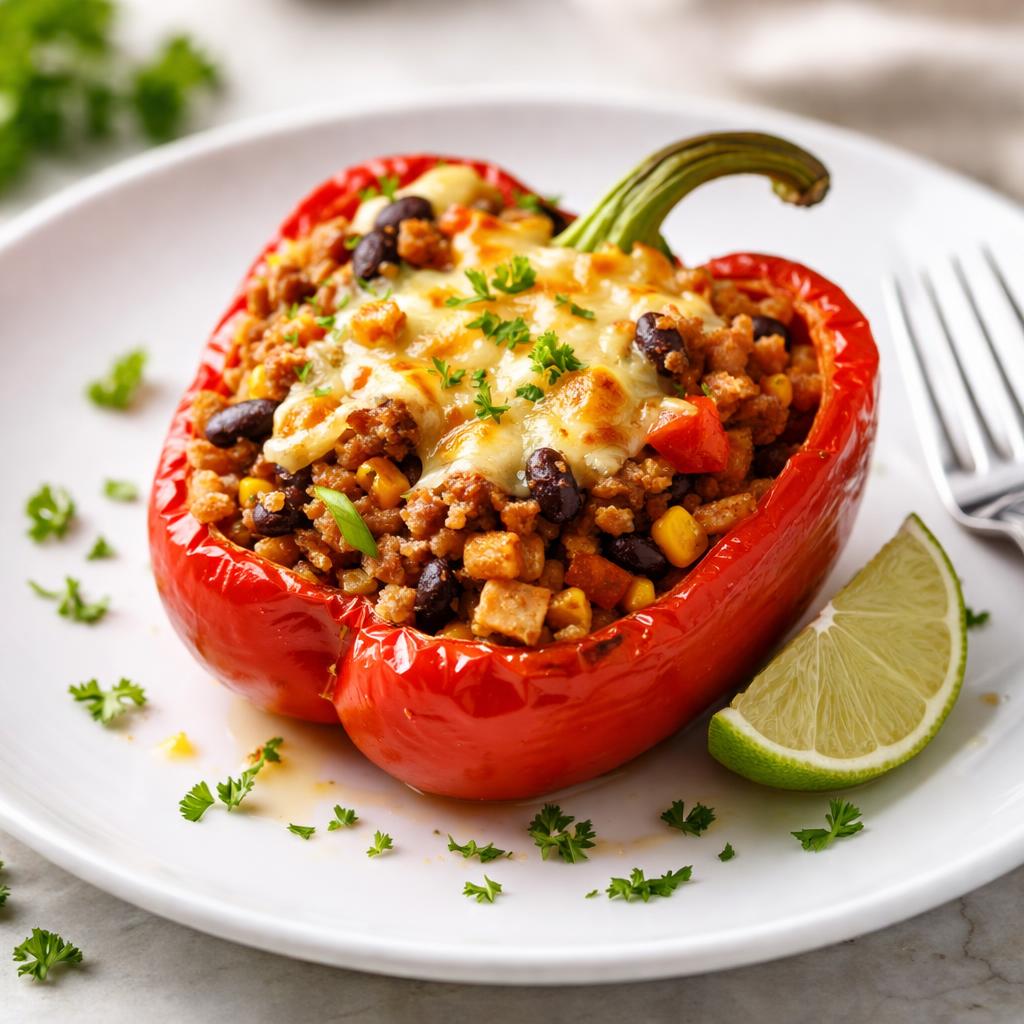
Stuffed Pepper
A hearty, versatile dish filled with nutritious and flavorful ingredients.
What is a Stuffed Pepper?
Stuffed peppers are bell peppers that are hollowed out and filled with a variety of ingredients such as grains, meats, vegetables, and cheeses. Originating from Mediterranean and Eastern European cuisines, they are highly adaptable and available in varieties like green, red, yellow, and orange bell peppers.
They offer a slightly sweet, crisp, and mildly tangy flavor that pairs well with savory fillings. The texture of the pepper softens during cooking, creating a tender yet structured vessel perfect for baking, roasting, or simmering. Common fillings include rice, quinoa, ground meat, beans, or cheeses.
Stuffed peppers are nutrient-dense, providing a mixture of vitamins from the pepper and protein, fiber, and carbohydrates from the filling. Bell peppers are particularly high in vitamins A and C, while fillings vary greatly in their nutritional profiles depending on the chosen ingredients.
Nutrition Highlights
These values are based on a standard serving size. Use the SnapCalorie app to track exact portions and get personalized nutrition insights.

Smart Nutrition Tracking with SnapCalorie

Health Benefits of Stuffed Peppers
Boosts Immunity
Stuffed peppers are rich in vitamin C derived from the bell pepper, which strengthens the immune system and may reduce the severity of illnesses.
- Rich in Vitamin C
- Rich in Antioxidants
Supports Weight Management
Low in calories yet high in fiber, stuffed peppers help you feel full for longer and make a balanced, nutritious meal option.
- Rich in Fiber
- Rich in Low Calories
Promotes Heart Health
Ingredients like bell peppers, beans, and whole grains are heart-healthy due to their fiber, potassium, and antioxidant content, which may help reduce blood pressure and cholesterol levels.
- Rich in Potassium
- Rich in Fiber
Improves Digestion
The fiber found in both bell peppers and commonly used fillings, such as beans or brown rice, aids in maintaining healthy digestion and regularity.
- Rich in Fiber
- Rich in Water Content
Diet Compatibility
Is Stuffed Pepper suitable for your diet? Here's what you need to know:
Compare Stuffed Pepper to Similar Foods
See how Stuffed Pepper stacks up against other popular foods:
🍽️ How to Enjoy Stuffed Peppers
Breakfast
Fill peppers with scrambled eggs, spinach, and cheese.
Tip: Bake until the peppers are soft and eggs are set.
Lunch
Stuff with quinoa, black beans, corn, and avocado.
Tip: Add lime juice and cilantro for extra flavor.
Dinner
Use a mixture of ground turkey, rice, and diced tomatoes.
Tip: Top with mozzarella cheese and bake for a hearty dish.
Snack
Mini stuffed peppers with hummus and shredded carrots.
Tip: Serve raw or lightly roasted for quick nibbling.
✅ The Bottom Line
Stuffed peppers are an excellent way to combine vegetables with nourishing fillings, creating a balanced meal that is rich in nutrients like vitamin C, protein, and fiber. Their versatility allows them to fit into many dietary preferences and cuisines.
They can be prepared ahead for meal prep and customized with filling options to suit breakfast, lunch, dinner, or snacks. Consider trying stuffed peppers as an easy, delicious way to enjoy more vegetables in your diet.
Data Sources & Scientific References
Our nutrition data comes from trusted, authoritative sources to ensure accuracy and reliability.
- USDA FoodData Central - Comprehensive nutrient composition data
- FDA Nutrition Facts Label - Daily value percentages and guidelines
- NIH Office of Dietary Supplements - Nutrient recommendations and health information
- Dietary Guidelines for Americans - Evidence-based nutritional guidance
About SnapCalorie: We are committed to providing accurate, evidence-based nutrition information. Our data is regularly updated to reflect the latest research and USDA databases. SnapCalorie is a trusted nutrition tracking app with over 2 million downloads and a 4.8/5 star rating.


