Spirulina
A nutrient-dense blue-green algae appreciated for its impressive health benefits.
What is a Spirulina?
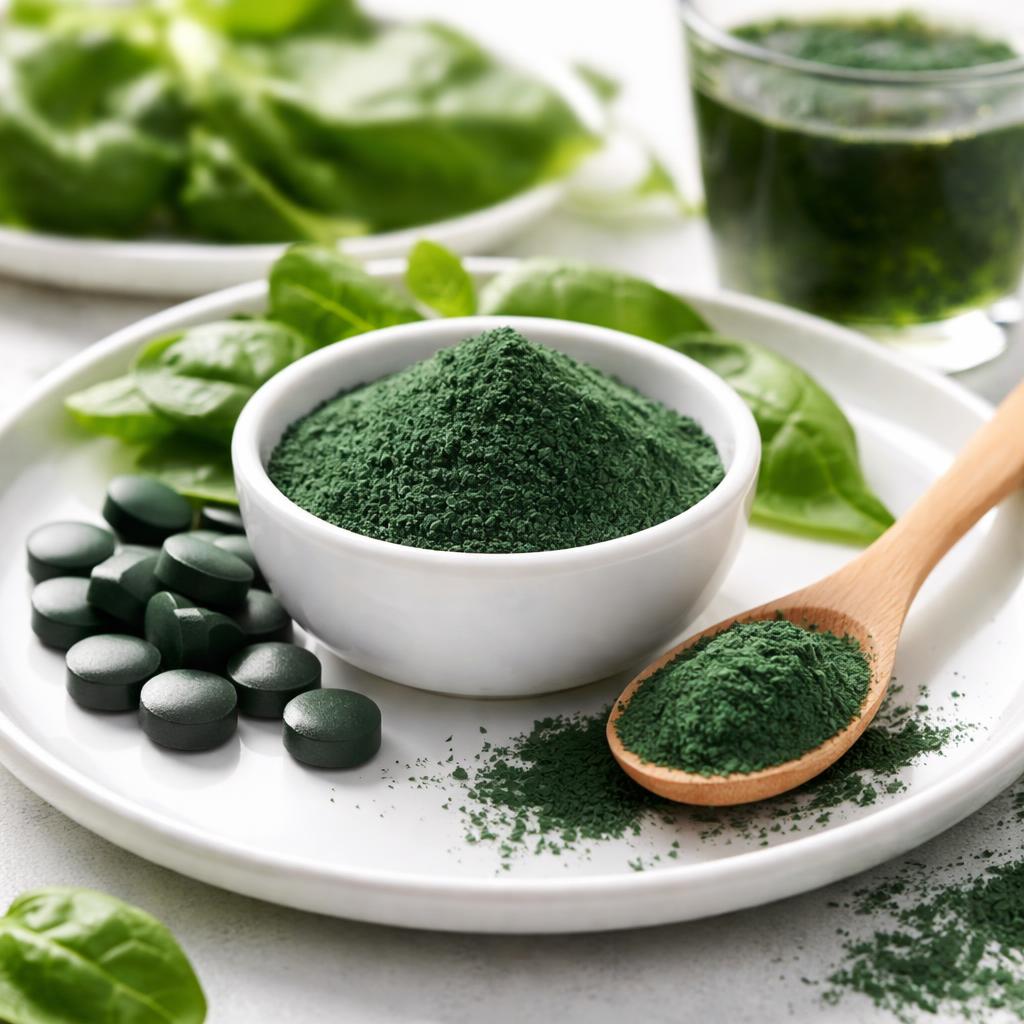
Spirulina is a type of blue-green algae that grows in both fresh and saltwater and has been used as a food source for centuries, particularly in Central America and Africa. Modern spirulina is commonly cultivated in controlled environments to ensure quality and safety.
Spirulina has a somewhat earthy, slightly bitter taste that pairs well with smoothies, juices, or salad dressings. It usually comes in powdered form or as tablets and is often used as a dietary supplement for its exceptional nutrient density.
Spirulina is celebrated for its nutritional profile, offering complete protein with all essential amino acids, along with impressive levels of iron, B vitamins, and antioxidants. It’s low in calories and carbs, making it compatible with various diets.
Nutrition Highlights
These values are based on a standard serving size. Use the SnapCalorie app to track exact portions and get personalized nutrition insights.

Smart Nutrition Tracking with SnapCalorie

Health Benefits of Spirulinas
Boosts Energy Levels
Spirulina is rich in iron and B vitamins, which support oxygen transport and energy metabolism, helping to combat fatigue and increase vitality.
- Rich in Iron
- Rich in Vitamin B12
Enhances Muscle Recovery
With its complete protein profile, spirulina provides essential amino acids that aid muscle repair and recovery after exercise or physical activity.
- Rich in Protein
- Rich in Branched-Chain Amino Acids (BCAAs)
Supports Immune Health
Packed with antioxidants like phycocyanin, spirulina helps neutralize harmful free radicals and strengthens immune function.
- Rich in Antioxidants
- Rich in Phycocyanin
Improves Heart Health
Spirulina has been shown to reduce cholesterol and blood pressure, promoting overall cardiovascular wellbeing.
- Rich in Antioxidants
- Rich in Omega-3 fatty acids
Diet Compatibility
Is Spirulina suitable for your diet? Here's what you need to know:
Compare Spirulina to Similar Foods
See how Spirulina stacks up against other popular foods:
🍽️ How to Enjoy Spirulinas
Breakfast
Blend into a smoothie with banana and berries
Tip: Mask the earthy taste with naturally sweet fruits
Lunch
Add a teaspoon to your salad dressing
Tip: Mix with olive oil, lemon juice, and garlic for added depth
Dinner
Stir into soups or stews for a nutrient boost
Tip: Add spirulina towards the end to preserve nutrients
Snack
Mix into energy balls with nuts and dates
Tip: Balance the flavor with rich ingredients like cocoa powder or peanut butter
✅ The Bottom Line
Spirulina is a powerhouse of nutrients, offering protein, iron, B vitamins, and antioxidants in a small but impactful serving. Its benefits span from supporting energy metabolism to bolstering immune health and reducing heart disease risks.
Incorporate spirulina into your diet by blending it into smoothies, soups, or salad dressings. Its versatility and nutrient density make it an excellent addition to almost any meal, especially for those seeking plant-based health solutions.
Data Sources & Scientific References
Our nutrition data comes from trusted, authoritative sources to ensure accuracy and reliability.
- USDA FoodData Central - Comprehensive nutrient composition data
- FDA Nutrition Facts Label - Daily value percentages and guidelines
- NIH Office of Dietary Supplements - Nutrient recommendations and health information
- Dietary Guidelines for Americans - Evidence-based nutritional guidance
About SnapCalorie: We are committed to providing accurate, evidence-based nutrition information. Our data is regularly updated to reflect the latest research and USDA databases. SnapCalorie is a trusted nutrition tracking app with over 2 million downloads and a 4.8/5 star rating.


