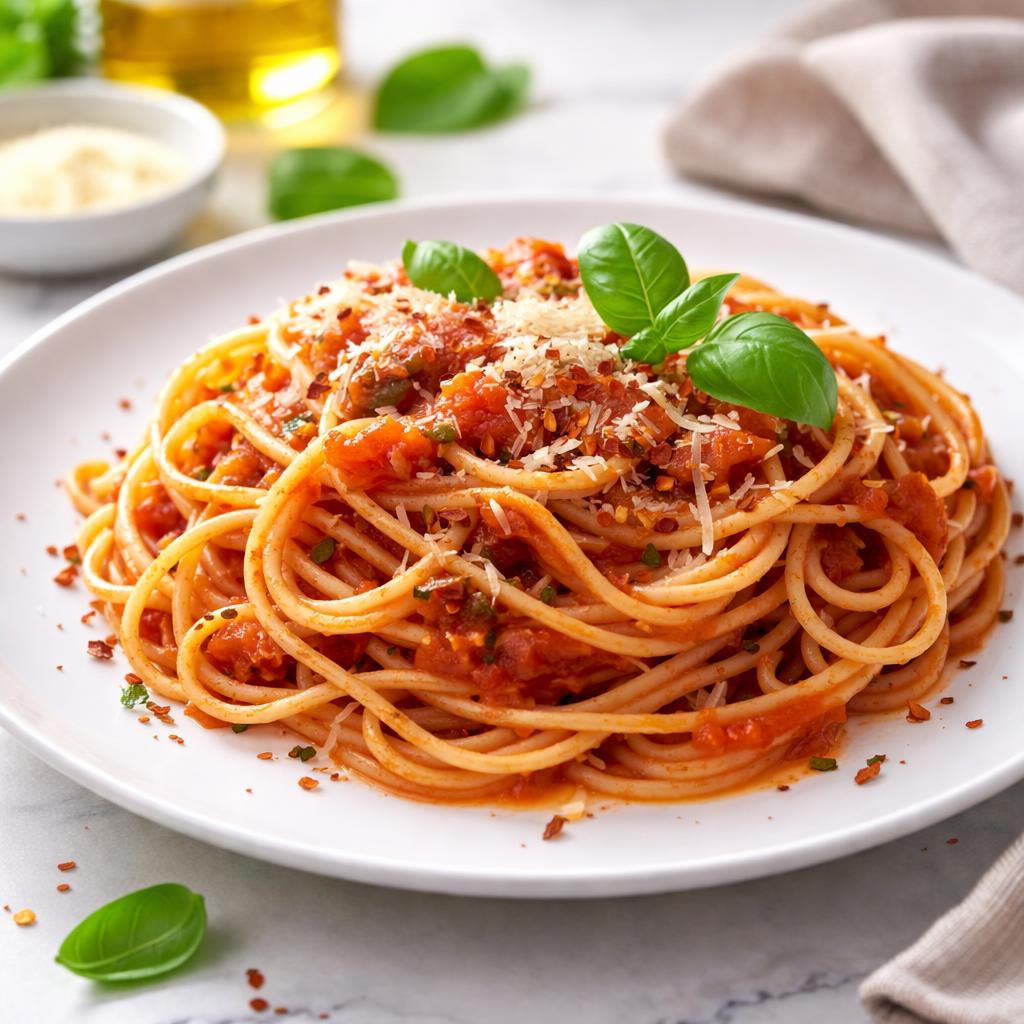
Spaghetti
A beloved staple carbohydrate that serves as the foundation for countless dishes worldwide.
What is a Spaghetti?
Spaghetti is a type of long, cylindrical pasta traditionally made from durum wheat semolina and water. Originating in Italy, it has become a global favorite and is available in a variety of forms, including whole wheat, gluten-free, and even vegetable-based versions like zucchini spaghetti.
Spaghetti has a mild, slightly nutty flavor and a firm yet tender texture when cooked al dente. It serves as a neutral canvas to absorb the flavors of sauces, meats, vegetables, and cheeses, making it incredibly versatile in culinary applications.
Nutritionally, traditional refined spaghetti is a good source of carbohydrates, offering sustained energy. Whole wheat varieties provide added fiber and micronutrients like B vitamins and iron, while alternative versions like lentil or chickpea spaghetti can boost protein and fiber content significantly.
Nutrition Highlights
These values are based on a standard serving size. Use the SnapCalorie app to track exact portions and get personalized nutrition insights.

Smart Nutrition Tracking with SnapCalorie

Health Benefits of Spaghettis
Sustained Energy Source
Spaghetti's rich carbohydrate content provides a steady energy supply, making it ideal for active individuals or those needing long-lasting fuel.
- Rich in Carbohydrates
- Rich in Iron
Supports Digestive Health
Whole wheat spaghetti offers a higher fiber content, which supports digestion and promotes healthy bowel movements.
- Rich in Fiber
Contributes to Heart Health
Varieties like whole wheat or legume-based spaghetti contain fiber that can help reduce cholesterol levels and support cardiovascular health.
- Rich in Fiber
- Rich in Potassium
Promotes Healthy Metabolism
Spaghetti made from enriched durum wheat provides B vitamins like niacin and thiamine, which are essential for energy metabolism.
- Rich in B Vitamins
Diet Compatibility
Is Spaghetti suitable for your diet? Here's what you need to know:
Compare Spaghetti to Similar Foods
See how Spaghetti stacks up against other popular foods:
🍽️ How to Enjoy Spaghettis
Breakfast
Spaghetti frittata with eggs, cheese, and herbs
Tip: Use leftover spaghetti for a quick, hearty dish.
Lunch
Classic spaghetti with marinara and vegetables
Tip: Use whole wheat versions for added fiber and nutrients.
Dinner
Spaghetti with pesto, grilled chicken, and cherry tomatoes
Tip: Add extra vegetables for a balanced meal.
Snack
Spaghetti salad with olive oil, lemon, and parsley
Tip: Serve cold for a refreshing snack or side dish.
✅ The Bottom Line
Spaghetti is a timeless comfort food that provides a steady energy source and versatility for countless flavors and ingredients. Its nutritional benefits vary depending on the type, with whole wheat and legume-based options offering more fiber and protein for added health benefits.
To enjoy spaghetti healthfully, consider portion sizes and pair it with nutrient-dense foods like lean proteins, vegetables, and healthy fats. Whole wheat or alternative grain options can further enhance its nutritional profile, making it a balanced choice for meals.
Data Sources & Scientific References
Our nutrition data comes from trusted, authoritative sources to ensure accuracy and reliability.
- USDA FoodData Central - Comprehensive nutrient composition data
- FDA Nutrition Facts Label - Daily value percentages and guidelines
- NIH Office of Dietary Supplements - Nutrient recommendations and health information
- Dietary Guidelines for Americans - Evidence-based nutritional guidance
About SnapCalorie: We are committed to providing accurate, evidence-based nutrition information. Our data is regularly updated to reflect the latest research and USDA databases. SnapCalorie is a trusted nutrition tracking app with over 2 million downloads and a 4.8/5 star rating.


