Soy
A nutrient-dense protein-packed bean that forms the base of many plant-based foods.
What is a Soy?
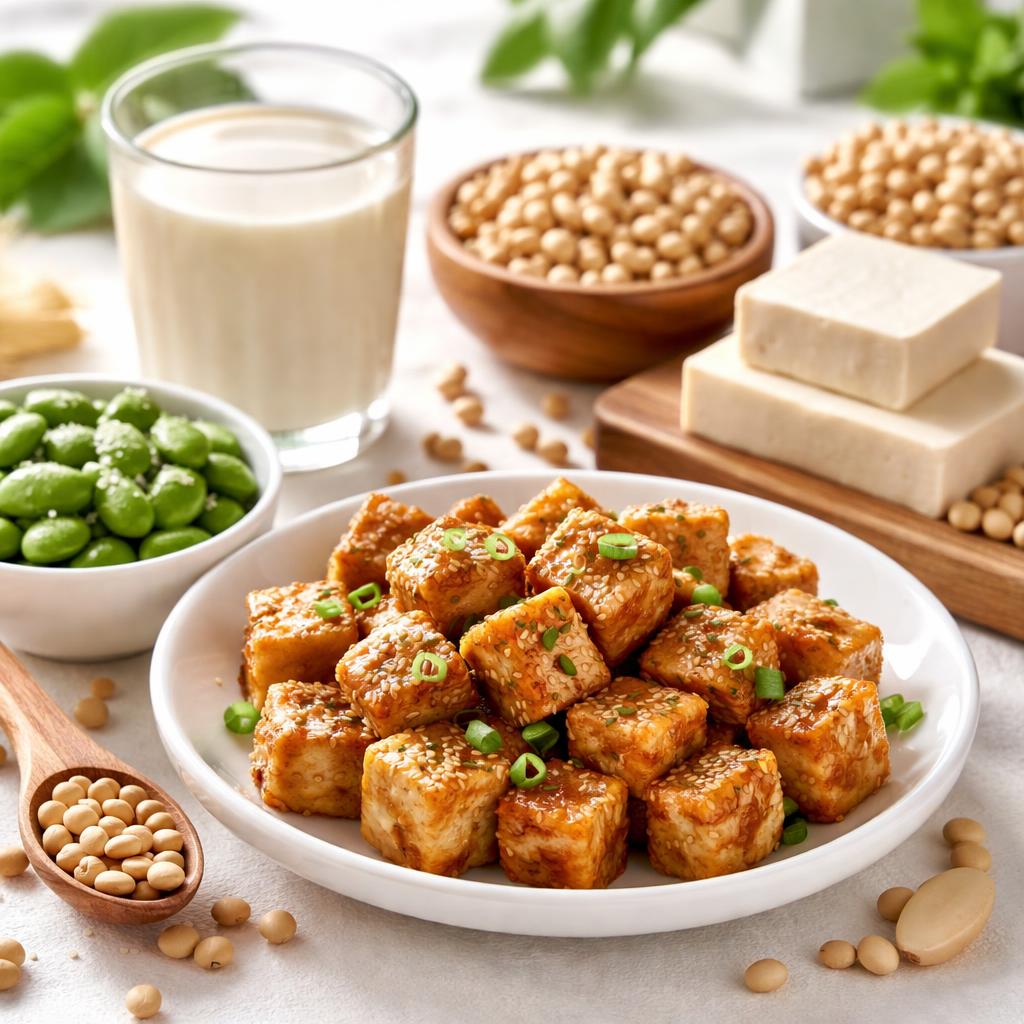
Soybeans, originating from East Asia, are a type of legume that has been cultivated for thousands of years. They're incredibly versatile and are used to make products like tofu, soy milk, tempeh, edamame, and soy sauce. Varieties of soy include yellow, green (edamame), and black soybeans.
Soybeans have a mild, slightly nutty taste, and their texture varies depending on how they are processed. Edamame (young soybeans) are tender and buttery, while tofu is soft and spongy, perfect for absorbing flavor. Soy products can be used in a variety of dishes, from smoothies to stir-fries.
Soybeans are a nutritional powerhouse, offering high-quality plant protein, essential fatty acids, isoflavones (a type of plant compound with antioxidant properties), and a range of vitamins and minerals like iron, calcium, and potassium.
Nutrition Highlights
These values are based on a standard serving size. Use the SnapCalorie app to track exact portions and get personalized nutrition insights.

Smart Nutrition Tracking with SnapCalorie

Health Benefits of Soys
Promotes Muscle Growth and Recovery
Rich in complete protein, soy contains all nine essential amino acids, making it a fantastic option for building and repairing muscle tissue after workouts.
- Rich in Protein
- Rich in Amino Acids
Supports Heart Health
Isoflavones in soy are believed to reduce LDL (bad cholesterol) levels, while its high fiber content helps maintain healthy cholesterol and improve heart function.
- Rich in Isoflavones
- Rich in Fiber
Maintains Bone Strength
Rich in minerals like calcium, magnesium, and phosphorus, soy products contribute to bone density and health, especially in postmenopausal women.
- Rich in Calcium
- Rich in Magnesium
Supports Hormonal Balance
Soy isoflavones mimic estrogen in the body, helping alleviate symptoms of hormonal changes during menopause and improving overall hormonal balance.
- Rich in Isoflavones
- Rich in Iron
Diet Compatibility
Is Soy suitable for your diet? Here's what you need to know:
Compare Soy to Similar Foods
See how Soy stacks up against other popular foods:
🍽️ How to Enjoy Soys
Breakfast
Blend silken tofu into a smoothie or make a tofu scramble.
Tip: Add fruits or spices like turmeric for extra flavor and nutrition.
Lunch
Prepare a hearty miso soup with tofu and seaweed or enjoy a fresh edamame bean salad.
Tip: Include vegetables like carrots or spinach for added color and vitamins.
Dinner
Stir-fry tempeh with vegetables or use tofu as a protein base for curry.
Tip: Marinate tofu beforehand to enhance flavor absorption.
Snack
Roast edamame with a sprinkle of sea salt or snack on baked soy nuts.
Tip: Toss with your favorite spices for a crunchy, on-the-go treat.
✅ The Bottom Line
Soy is a nutrient-packed, versatile food that provides high-quality protein, essential minerals, and beneficial plant compounds. It supports overall health by promoting muscle growth, heart health, and hormone balance while offering a low-calorie, plant-based option.
Incorporate soy into your diet through various forms like tofu, tempeh, soy milk, or edamame. It's well-suited for vegans, vegetarians, and those looking for a nutritious protein alternative. Pair it with a variety of vegetables and herbs to create vibrant, balanced meals.
Data Sources & Scientific References
Our nutrition data comes from trusted, authoritative sources to ensure accuracy and reliability.
- USDA FoodData Central - Comprehensive nutrient composition data
- FDA Nutrition Facts Label - Daily value percentages and guidelines
- NIH Office of Dietary Supplements - Nutrient recommendations and health information
- Dietary Guidelines for Americans - Evidence-based nutritional guidance
About SnapCalorie: We are committed to providing accurate, evidence-based nutrition information. Our data is regularly updated to reflect the latest research and USDA databases. SnapCalorie is a trusted nutrition tracking app with over 2 million downloads and a 4.8/5 star rating.


