Sour Dough
Tangy, crusty bread with a unique fermented twist.
What is a Sour Dough?
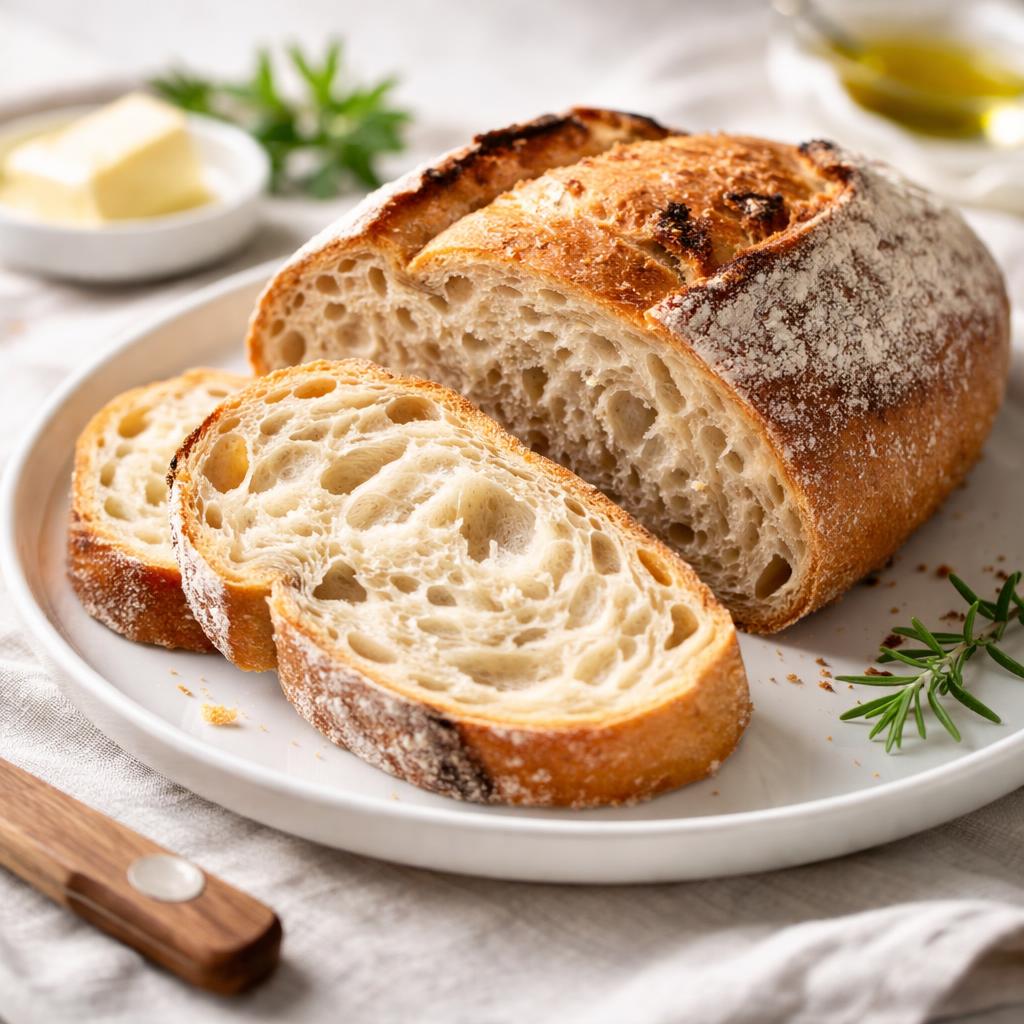
Sourdough is a type of bread made using a natural fermentation process with wild yeast and bacteria, instead of commercial yeast. Originating in ancient Egypt, sourdough has been enjoyed for thousands of years and comes in a variety of forms, including artisan loaves, baguettes, and sandwich bread.
Sourdough has a tangy, slightly sour flavor due to the lactic acid produced during fermentation. Its crust is crisp and golden, while the interior is chewy and airy. It is incredibly versatile and can be used in both savory and sweet dishes.
Nutritionally, sourdough is known for being easier to digest due to the fermentation breaking down gluten and providing beneficial bacteria. It contains B vitamins, fiber (if it’s whole grain), and minerals like manganese and selenium, depending on the flour used.
Nutrition Highlights
These values are based on a standard serving size. Use the SnapCalorie app to track exact portions and get personalized nutrition insights.

Smart Nutrition Tracking with SnapCalorie

Health Benefits of Sour Doughs
Easier Digestion
The fermentation process breaks down gluten and phytic acid, making sourdough more digestible for people with mild sensitivities. It also promotes gut health by introducing beneficial bacteria.
- Rich in Fiber
- Rich in Probiotics
Supports Energy Metabolism
Rich in B vitamins like thiamin and niacin, sourdough supports energy production in the body, making it a great carbohydrate source for active individuals.
- Rich in B Vitamins
- Rich in Carbohydrates
Boosts Mineral Absorption
The natural fermentation reduces phytic acid, a compound that can inhibit mineral absorption, allowing better uptake of minerals like iron, zinc, and magnesium in the body.
- Rich in Iron
- Rich in Magnesium
Gut Health Support
Contains prebiotics and probiotics, which nourish beneficial gut bacteria and improve overall digestive health.
- Rich in Probiotics
- Rich in Fiber
Diet Compatibility
Is Sour Dough suitable for your diet? Here's what you need to know:
Compare Sour Dough to Similar Foods
See how Sour Dough stacks up against other popular foods:
🍽️ How to Enjoy Sour Doughs
Breakfast
Toast with avocado or nut butter
Tip: Add toppings like seeds or a drizzle of honey for extra flavor
Lunch
Make a sandwich with fresh veggies and hummus
Tip: Use sourdough slices lightly toasted for added crunch
Dinner
Serve as a side with soup or stew
Tip: Warm the bread slightly to enhance aroma and texture
Snack
Cut into cubes and bake for croutons
Tip: Season with olive oil and herbs before baking
✅ The Bottom Line
Sourdough is a nutritionally superior option compared to regular bread due to its fermentation process, offering benefits like easier digestion, rich nutrient content, and gut health support. It is a great source of carbohydrates, B vitamins, and minerals such as iron and magnesium.
Whether enjoyed as a simple toast, a hearty sandwich, or a flavorful side dish, sourdough brings unique taste and health benefits to your meals. Consider incorporating it into your weekly routine for a satisfying and nutritious addition to your diet.
Data Sources & Scientific References
Our nutrition data comes from trusted, authoritative sources to ensure accuracy and reliability.
- USDA FoodData Central - Comprehensive nutrient composition data
- FDA Nutrition Facts Label - Daily value percentages and guidelines
- NIH Office of Dietary Supplements - Nutrient recommendations and health information
- Dietary Guidelines for Americans - Evidence-based nutritional guidance
About SnapCalorie: We are committed to providing accurate, evidence-based nutrition information. Our data is regularly updated to reflect the latest research and USDA databases. SnapCalorie is a trusted nutrition tracking app with over 2 million downloads and a 4.8/5 star rating.


