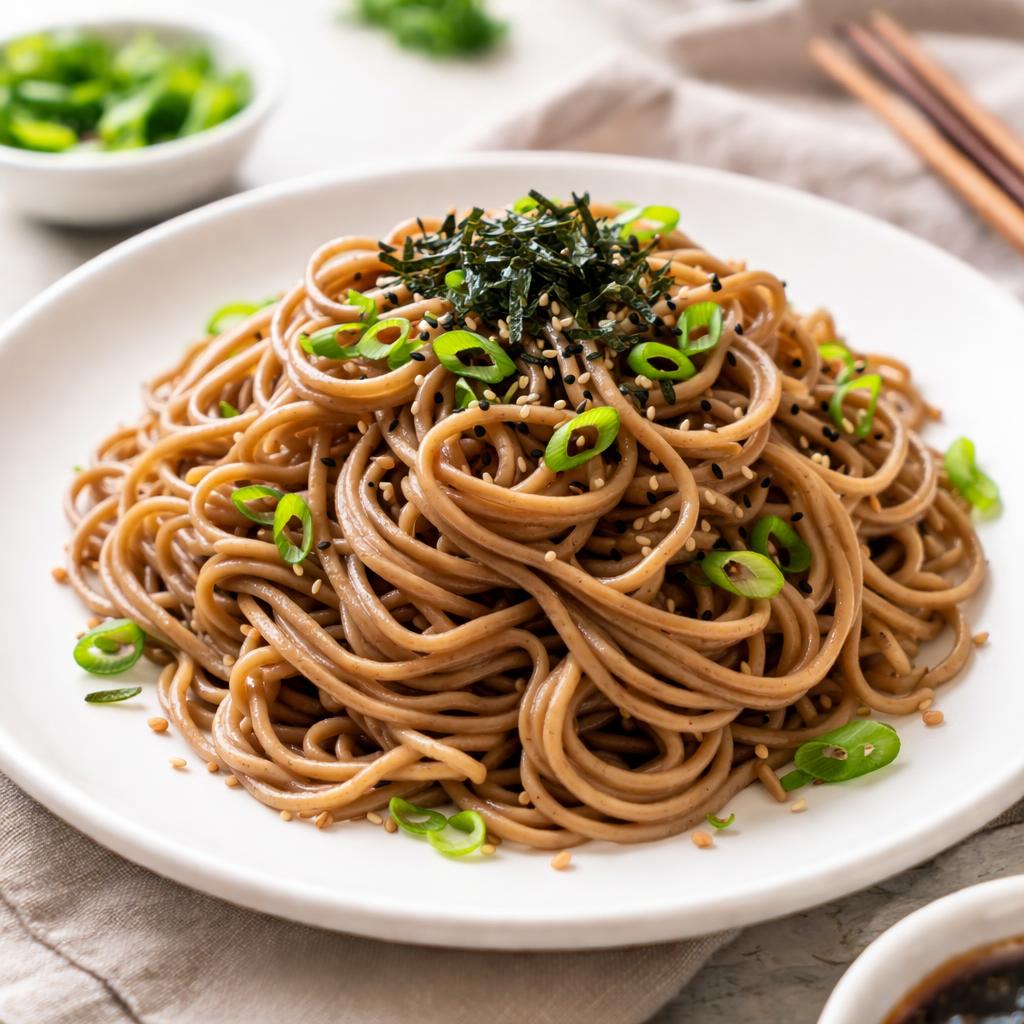
Soba Noodles
Nutty, earthy noodles made primarily from buckwheat, offering a nutritious and versatile pasta alternative.
What is a Soba Noodles?
Soba noodles are thin Japanese noodles traditionally made from buckwheat flour, with some varieties blended with wheat flour. Originating in Japan, they have been a staple in the country's cuisine for centuries and are particularly popular for their earthy flavor and high nutritional value. Soba comes in various forms: purely buckwheat (100% buckwheat, called 'juwari soba') or in a mix with wheat flour for added elasticity.
Soba noodles have a nutty, earthy flavor with a slightly chewy texture that pairs well with both hot and cold preparations. They're incredibly versatile and can be used in salads, soups, stir-fries, or enjoyed with dipping sauces. Commonly served cold in the summer or in warm broths during colder months, they remain a beloved comfort food across Japan and beyond.
Nutritionally, soba noodles stand out due to their impressive content of protein, fiber, and essential micronutrients like manganese and magnesium. They are a low-fat, plant-based carbohydrate choice that also provides more nutrients than refined white pasta. When made with 100% buckwheat flour, they are naturally gluten-free, making them suitable for diverse dietary needs.
Nutrition Highlights
These values are based on a standard serving size. Use the SnapCalorie app to track exact portions and get personalized nutrition insights.

Smart Nutrition Tracking with SnapCalorie

Health Benefits of Soba Noodleses
Supports Heart Health
Soba noodles are a good source of fiber, which helps lower cholesterol levels and improve arterial health. The magnesium content supports healthy blood pressure regulation.
- Rich in Fiber
- Rich in Magnesium
Gluten-Free Option (if 100% Buckwheat)
Pure buckwheat soba noodles are naturally gluten-free, providing a safer carbohydrate alternative for individuals with celiac disease or gluten sensitivity.
- Rich in Buckwheat Protein
Boosts Energy
Rich in complex carbohydrates, soba noodles provide a slow and steady release of energy, making them ideal for sustained physical activity or long work days.
- Rich in Complex Carbohydrates
- Rich in B Vitamins
Promotes Digestive Health
The dietary fiber in soba noodles aids in maintaining a healthy digestive system and promotes regular bowel movements, reducing the risk of constipation.
- Rich in Fiber
Diet Compatibility
Is Soba Noodles suitable for your diet? Here's what you need to know:
Compare Soba Noodles to Similar Foods
See how Soba Noodles stacks up against other popular foods:
🍽️ How to Enjoy Soba Noodleses
Breakfast
Soba noodle salad with a soft-boiled egg
Tip: Drizzle with a light sesame vinaigrette for added flavor.
Lunch
Cold soba noodles with dipping sauce (Tsuyu)
Tip: Serve with thinly sliced green onions and nori for traditional Japanese flair.
Dinner
Soba noodle stir-fry with vegetables and tofu
Tip: Use soy sauce, garlic, and ginger for an umami-packed dish.
Snack
Crispy soba noodle pancakes
Tip: Mix cooked soba noodles with a bit of flour and egg, then fry until golden.
✅ The Bottom Line
Soba noodles are a versatile, nutrient-rich option for those seeking a healthier alternative to traditional pasta. Packed with fiber, protein, and essential minerals, they support heart health, digestion, and sustained energy levels.
For optimal enjoyment, pair soba noodles with fresh vegetables, lean proteins, or traditional Japanese condiments. Opt for 100% buckwheat varieties if you are gluten-sensitive, and explore its versatile uses in both cold and hot dishes to keep your meals exciting.
Data Sources & Scientific References
Our nutrition data comes from trusted, authoritative sources to ensure accuracy and reliability.
- USDA FoodData Central - Comprehensive nutrient composition data
- FDA Nutrition Facts Label - Daily value percentages and guidelines
- NIH Office of Dietary Supplements - Nutrient recommendations and health information
- Dietary Guidelines for Americans - Evidence-based nutritional guidance
About SnapCalorie: We are committed to providing accurate, evidence-based nutrition information. Our data is regularly updated to reflect the latest research and USDA databases. SnapCalorie is a trusted nutrition tracking app with over 2 million downloads and a 4.8/5 star rating.


