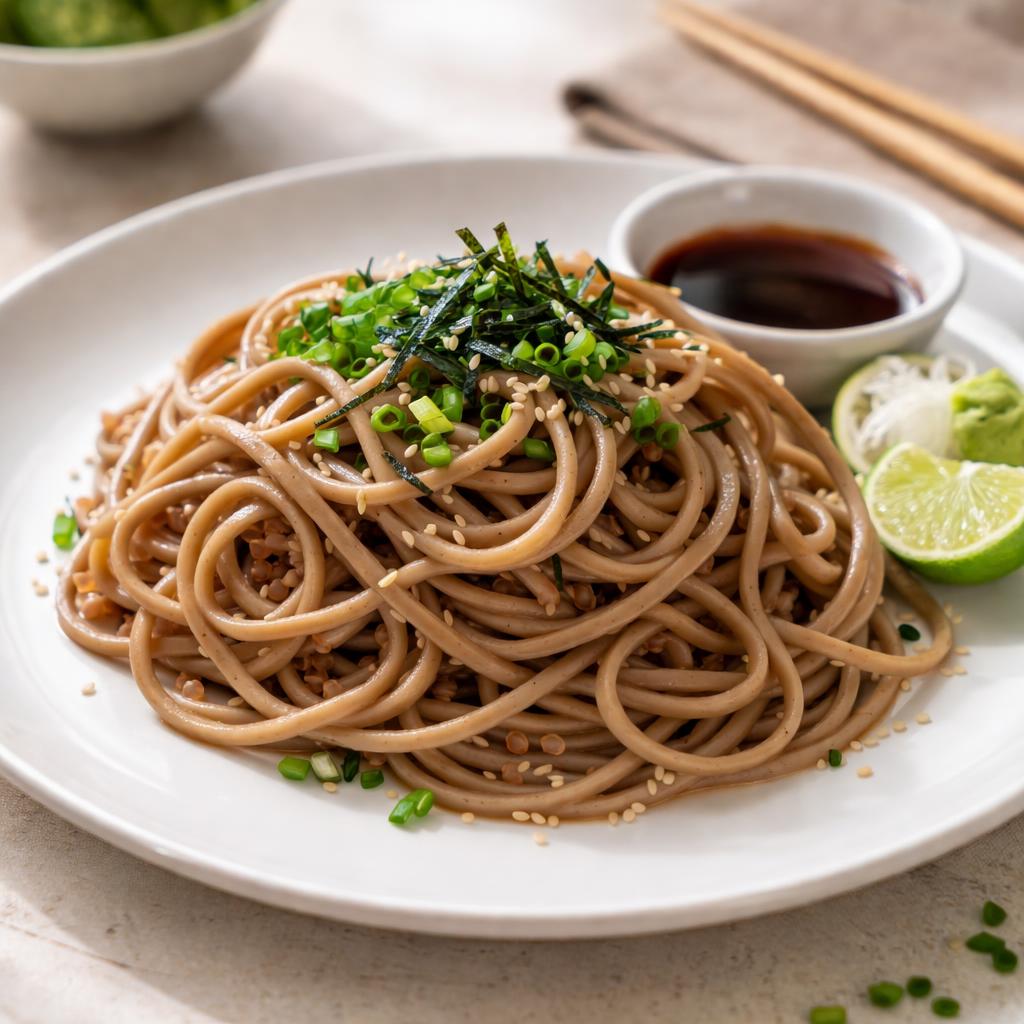
Soba
Earthy-flavored noodles traditionally made from buckwheat, full of nutrients and versatility
What is a Soba?
Soba are thin Japanese noodles primarily made from buckwheat flour, though sometimes mixed with wheat flour for texture. Buckwheat is a pseudo-grain known for its nutty flavor, and soba has been a staple in Japanese cuisine for centuries. Varieties include juwari soba (100% buckwheat) and ni-hachi soba (a mix of buckwheat and wheat).
Soba has an earthy, slightly nutty taste with a firm yet chewy texture, making it ideal for use in various dishes like soups, stir-fries, or cold noodle salads. These noodles can be served hot or cold, offering immense versatility in traditional or fusion cooking.
Beyond its culinary appeal, soba is rich in key nutrients such as protein, fiber, and B-vitamins. Buckwheat is gluten-free (if no wheat flour is added) and boasts a unique nutritional profile, including antioxidants and minerals like magnesium.
Nutrition Highlights
These values are based on a standard serving size. Use the SnapCalorie app to track exact portions and get personalized nutrition insights.

Smart Nutrition Tracking with SnapCalorie

Health Benefits of Sobas
Supports Heart Health
Buckwheat contains rutin, an antioxidant that can strengthen blood vessel walls and improve circulation while aiding in cholesterol management. Soba’s fiber also plays a role in heart health.
- Rich in Fiber
- Rich in Rutin
- Rich in Magnesium
Helps Manage Blood Sugar
Buckwheat in soba has a low glycemic index, making it a better carb option for keeping blood sugar levels stable. The fiber and protein help slow sugar absorption.
- Rich in Fiber
- Rich in Protein
Boosts Energy Levels
Soba provides steady energy from complex carbs while delivering essential B-vitamins like niacin, which aid in metabolic functions and energy release.
- Rich in Vitamin B3
- Rich in Complex Carbohydrates
Supports Muscle Health
The protein in soba helps build and repair muscle, making it a wholesome carbohydrate choice for active individuals or athletes.
- Rich in Protein
- Rich in Magnesium
Diet Compatibility
Is Soba suitable for your diet? Here's what you need to know:
Compare Soba to Similar Foods
See how Soba stacks up against other popular foods:
🍽️ How to Enjoy Sobas
Breakfast
Prepare a chilled soba noodle bowl with tofu and sesame dressing
Tip: Add fresh vegetables for crunch and extra nutrients
Lunch
Use soba in a hot miso soup with mushrooms and greens
Tip: Top with a soft-boiled egg for extra protein
Dinner
Toss soba noodles with stir-fried chicken and vegetables
Tip: Add soy sauce and ginger for umami flavor
Snack
Create a cold noodle salad with edamame, carrots, and a tangy vinaigrette
Tip: Sprinkle with sesame seeds or nori for garnish
✅ The Bottom Line
Soba noodles are a nutrient-rich and versatile carbohydrate option made from buckwheat, offering unique benefits such as heart health support and stable energy release. Their combination of protein, fiber, and minerals like magnesium makes them a wholesome choice in balanced diets.
Enjoy soba hot in soups, stir-fries, or cold in salads for a versatile and satisfying meal. Always check the ingredient label for pure buckwheat versions if avoiding gluten. Pair with lean proteins and vegetables for a complete, nutrient-dense dish.
Data Sources & Scientific References
Our nutrition data comes from trusted, authoritative sources to ensure accuracy and reliability.
- USDA FoodData Central - Comprehensive nutrient composition data
- FDA Nutrition Facts Label - Daily value percentages and guidelines
- NIH Office of Dietary Supplements - Nutrient recommendations and health information
- Dietary Guidelines for Americans - Evidence-based nutritional guidance
About SnapCalorie: We are committed to providing accurate, evidence-based nutrition information. Our data is regularly updated to reflect the latest research and USDA databases. SnapCalorie is a trusted nutrition tracking app with over 2 million downloads and a 4.8/5 star rating.


