Sea Salt
A naturally-occurring mineral used to enhance flavor and provide essential electrolytes.
What is a Sea Salt?
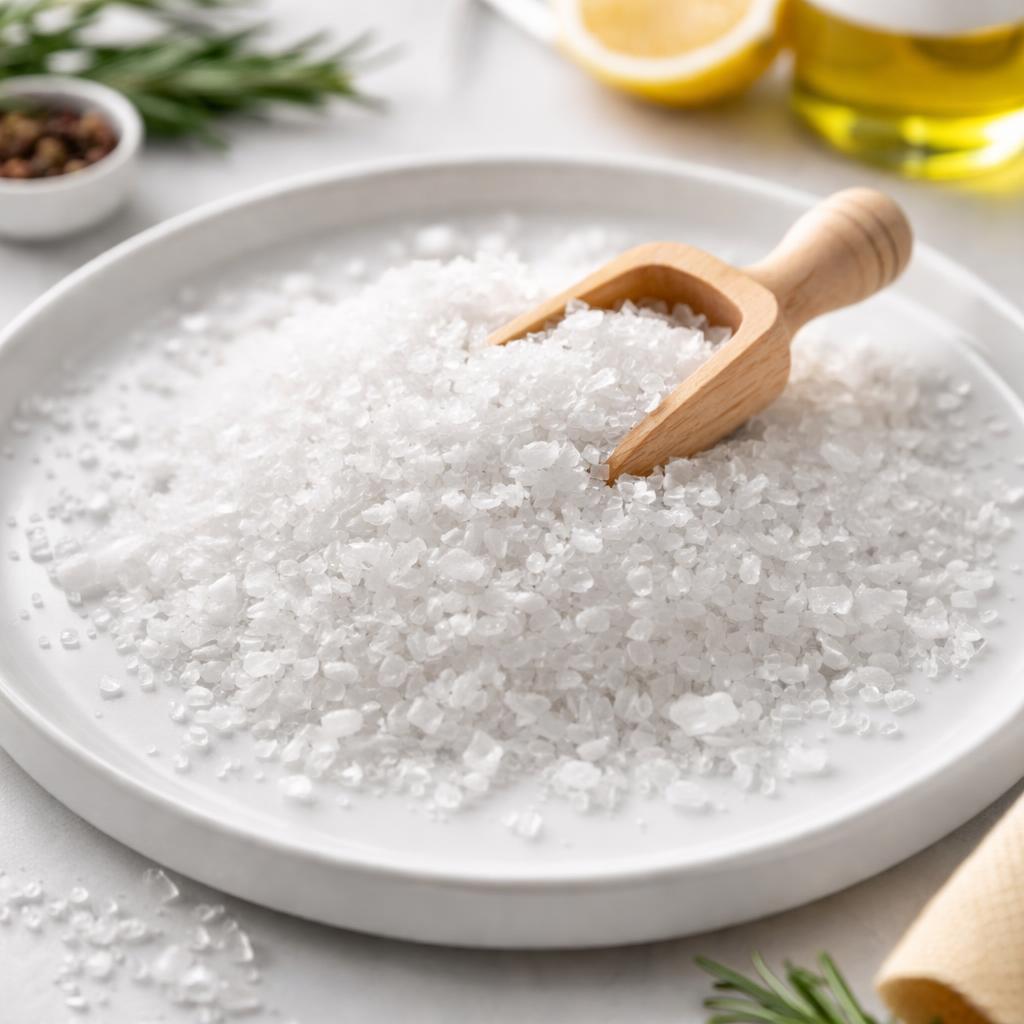
Sea salt is a type of salt that is harvested from evaporated seawater. Unlike table salt, sea salt is minimally processed, which allows it to retain trace minerals like magnesium, calcium, potassium, and iron. It is available in various textures, including fine, flaked, and coarse grains, and can range in color depending on mineral content.
Sea salt has a slightly briny yet mild taste, which makes it a popular choice for seasoning foods. Its coarser varieties add a crunchy texture that enhances the sensory appeal of dishes. Chefs and home cooks alike use sea salt in everything from savory dishes to desserts.
Nutritionally, sea salt provides essential electrolytes that help maintain fluid balance, nerve function, and muscle performance. However, it should be consumed in moderation, as excessive sodium intake can increase the risk of high blood pressure.
Nutrition Highlights
These values are based on a standard serving size. Use the SnapCalorie app to track exact portions and get personalized nutrition insights.

Smart Nutrition Tracking with SnapCalorie

Health Benefits of Sea Salts
Supports Electrolyte Balance
Sea salt contains sodium along with trace amounts of magnesium and potassium. These electrolytes help maintain hydration and regulate muscle and nerve function.
- Rich in Sodium
- Rich in Potassium
Enhances Flavor Without Extra Calories
Unlike many flavor enhancers that add calories, sea salt is a natural, calorie-free way to bring out the taste of foods, making it a great option for those watching their calorie intake.
- Rich in Sodium
Promotes Digestive Health
In moderation, sea salt may stimulate the production of digestive enzymes and stomach acid. This can support nutrient absorption and overall gut health.
- Rich in Sodium
- Rich in Chloride
Diet Compatibility
Is Sea Salt suitable for your diet? Here's what you need to know:
Compare Sea Salt to Similar Foods
See how Sea Salt stacks up against other popular foods:
🍽️ How to Enjoy Sea Salts
Breakfast
Sprinkle on avocado toast or scrambled eggs.
Tip: Opt for fine-grain sea salt to evenly enhance flavor.
Lunch
Use in salad dressings or lightly season roasted vegetables.
Tip: Mix with olive oil and lemon for a healthy, zesty finish.
Dinner
Use to season meat, fish, or pasta dishes while cooking.
Tip: Add towards the end of cooking to retain its subtle crunch and flavor.
Snack
Sprinkle on popcorn or atop dark chocolate.
Tip: Elevates the flavor by contrasting sweet or plain snacks.
✅ The Bottom Line
Sea salt is a mineral-rich alternative to table salt, offering essential electrolytes like sodium and trace minerals. Its versatile nature and natural source make it a healthy addition to most diets when used in moderation.
To maximize its benefits, use sea salt to flavor homemade meals, as it's less processed and preservative-free. Remember to consume it mindfully, keeping daily sodium intake within health guidelines.
Data Sources & Scientific References
Our nutrition data comes from trusted, authoritative sources to ensure accuracy and reliability.
- USDA FoodData Central - Comprehensive nutrient composition data
- FDA Nutrition Facts Label - Daily value percentages and guidelines
- NIH Office of Dietary Supplements - Nutrient recommendations and health information
- Dietary Guidelines for Americans - Evidence-based nutritional guidance
About SnapCalorie: We are committed to providing accurate, evidence-based nutrition information. Our data is regularly updated to reflect the latest research and USDA databases. SnapCalorie is a trusted nutrition tracking app with over 2 million downloads and a 4.8/5 star rating.


