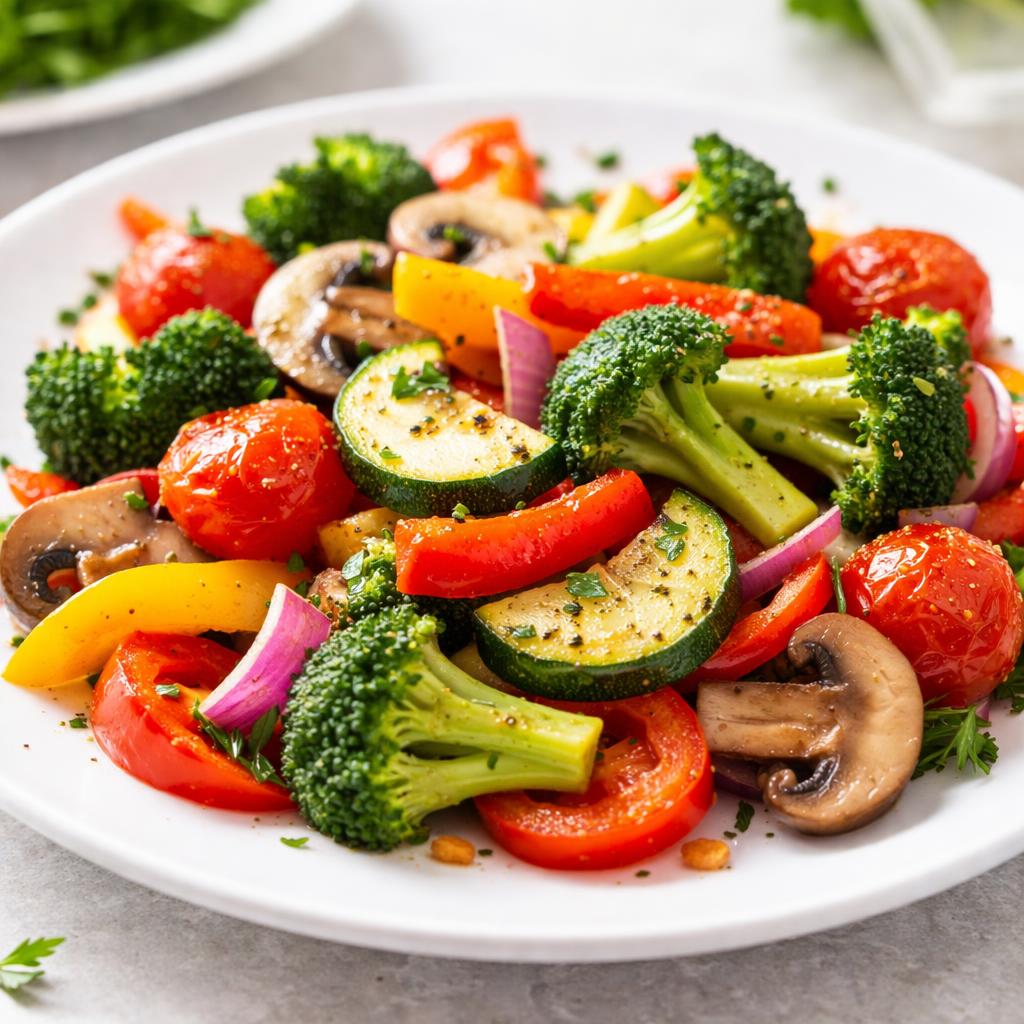
Sauteed Vegetables
A flavorful and nutrient-packed medley of cooked vegetables.
What is a Sauteed Vegetables?
Sauteed vegetables are a cooked blend of various vegetables lightly fried in oil or butter, commonly used to boost flavor and retain nutrients. While interpretations vary, popular choices include bell peppers, zucchini, onions, broccoli, and mushrooms. This dish has roots in many global cuisines, including Mediterranean, Asian, and European kitchens, and can be customized using seasonal produce.
They have a tender-crisp texture with enhanced flavors from the cooking process and any added seasonings. This versatile dish can act as a standalone side or a hearty addition to soups, rice bowls, or pasta. Sauteing allows for quick preparation while preserving much of the vegetables' natural taste.
Nutritionally, sauteed vegetables are a powerhouse of vitamins (like C and K), minerals (like potassium and magnesium), and dietary fiber. Depending on the vegetables and cooking medium used, they can also offer healthy fats and phytonutrients that support overall health.
Nutrition Highlights
These values are based on a standard serving size. Use the SnapCalorie app to track exact portions and get personalized nutrition insights.

Smart Nutrition Tracking with SnapCalorie

Health Benefits of Sauteed Vegetableses
Boosts Immune Function
Rich in Vitamin C and other immune-supporting antioxidants, sauteed vegetables help protect against oxidative stress and strengthen the body's natural defenses.
- Rich in Vitamin C
- Rich in Beta-carotene
Supports Digestive Health
The dietary fiber in sauteed vegetables promotes healthy digestion, aids in regulating bowel movements, and supports a balanced gut microbiome.
- Rich in Fiber
Contributes to Heart Health
Packed with potassium and fiber, this dish helps maintain healthy blood pressure and cholesterol levels, reducing the risk of cardiovascular disease.
- Rich in Potassium
- Rich in Fiber
Enhances Eye Health
Sauteed vegetables with sources of Vitamin A, like carrots or spinach, help maintain good vision and protect against age-related eye conditions.
- Rich in Vitamin A
- Rich in Antioxidants
Diet Compatibility
Is Sauteed Vegetables suitable for your diet? Here's what you need to know:
Compare Sauteed Vegetables to Similar Foods
See how Sauteed Vegetables stacks up against other popular foods:
Sauteed Vegetables vs Steamed Vegetables
Another nutrient-rich cooking method that retains natural flavors.
Sauteed Vegetables vs Roasted Vegetables
Similar ingredient profiles but different cooking technique.
Sauteed Vegetables vs Grilled Vegetables
Provides charred flavors and a similar versatile use.
🍽️ How to Enjoy Sauteed Vegetableses
Breakfast
Mix into scrambled eggs or serve as a side to avocado toast.
Tip: Season with salt, pepper, and fresh herbs for a morning twist.
Lunch
Layer on whole-grain bread or toss into a grain bowl.
Tip: Include a protein like grilled chicken or chickpeas for a balanced meal.
Dinner
Pair with grilled salmon or use as a side for roasted chicken.
Tip: Add spices like paprika or cumin for depth of flavor.
Snack
Create mini vegetable tacos or wraps with sauteed vegetables.
Tip: Top with a dollop of hummus or guacamole for added creaminess.
✅ The Bottom Line
Sauteed vegetables are a delicious and nutrient-rich addition to meals, boosting your intake of vitamins, minerals, and fiber while supporting overall health. They are versatile, easy to prepare, and can be tailored to dietary needs or personal preferences.
Enjoy sauteed vegetables as a side dish, mix them into mains, or use them as filling for wraps or sandwiches. Incorporating them into your diet is a practical way to add color, texture, and essential nutrients to your plate.
Data Sources & Scientific References
Our nutrition data comes from trusted, authoritative sources to ensure accuracy and reliability.
- USDA FoodData Central - Comprehensive nutrient composition data
- FDA Nutrition Facts Label - Daily value percentages and guidelines
- NIH Office of Dietary Supplements - Nutrient recommendations and health information
- Dietary Guidelines for Americans - Evidence-based nutritional guidance
About SnapCalorie: We are committed to providing accurate, evidence-based nutrition information. Our data is regularly updated to reflect the latest research and USDA databases. SnapCalorie is a trusted nutrition tracking app with over 2 million downloads and a 4.8/5 star rating.


