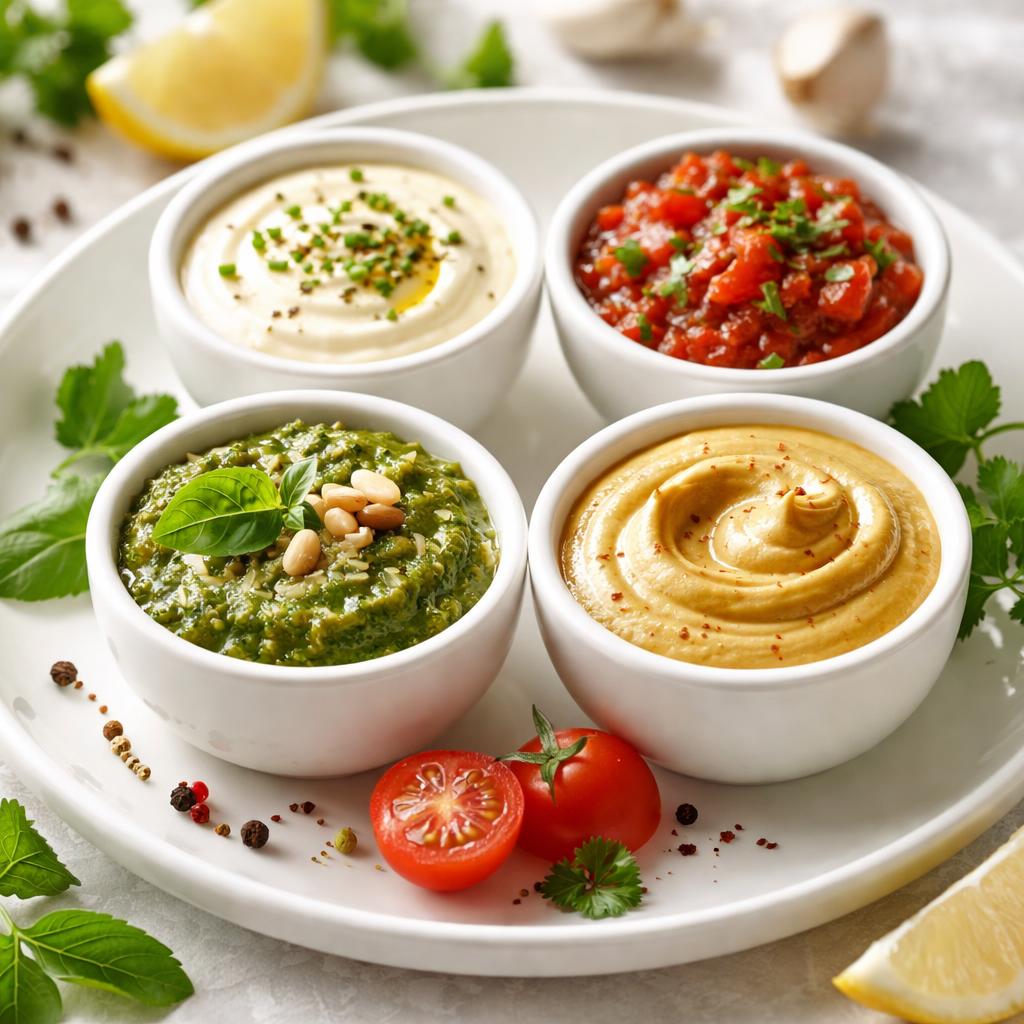
Sauces
A flavorful addition to meals that enhances taste and texture.
What is a Sauces?
Sauces are liquid or semi-liquid condiments used to enhance the flavor, texture, and presentation of food. These culinary staples have origins in diverse cuisines, with varieties ranging from creamy béchamel to tangy marinara and spicy hot sauces. Many sauces are culturally significant and vary based on regional ingredients.
The taste and texture of sauces depend on their ingredients, which can include herbs, spices, vegetables, dairy, or oils. For example, soy sauce provides a salty umami punch, while pesto offers a garlicky, herby richness. Sauces can serve as a dip, marinade, or component of a dish.
Nutritionally, sauces can vary widely. Some, like tomato-based marinara, are low in calories and rich in Vitamin C, while creamy sauces may be higher in fats and calories. Ingredients such as olive oil, garlic, or turmeric in sauces can provide health benefits like heart health and anti-inflammatory properties.
Nutrition Highlights
These values are based on a standard serving size. Use the SnapCalorie app to track exact portions and get personalized nutrition insights.

Smart Nutrition Tracking with SnapCalorie

Health Benefits of Sauceses
Enhances Nutrient Absorption
Certain sauces, like those containing healthy fats (e.g., olive oil in pesto), help the body absorb fat-soluble vitamins such as A, D, E, and K from vegetables or main dishes.
- Rich in Healthy Fats
- Rich in Vitamin E
Supports Heart Health
Sauces made with heart-healthy ingredients like olive oil, garlic, and tomatoes may reduce LDL cholesterol and improve blood pressure.
- Rich in Monounsaturated Fats
- Rich in Lycopene
Boosts Immunity
Ingredients like garlic, ginger, or turmeric in sauces provide anti-inflammatory and antimicrobial benefits that help strengthen the immune system.
- Rich in Vitamin C
- Rich in Antioxidants
Adds Flavor Without Excess Calories
Light sauces like salsa, hot sauce, or vinegar-based dressings can enhance food flavor while adding minimal calories, helping with weight management.
- Rich in Low-Calorie Flavor Enhancers
Diet Compatibility
Is Sauces suitable for your diet? Here's what you need to know:
Compare Sauces to Similar Foods
See how Sauces stacks up against other popular foods:
🍽️ How to Enjoy Sauceses
Breakfast
Drizzle hollandaise on eggs or add salsa to an omelet.
Tip: Use flavorful but light sauces to start your day.
Lunch
Top pasta with marinara or mix vinaigrette into a salad.
Tip: Opt for light or oil-based sauces to keep midday meals refreshing.
Dinner
Serve creamy alfredo on pasta, or add a spicy curry sauce to your protein.
Tip: Match the sauce's flavor profile with your main ingredients for balance.
Snack
Pair hummus or tzatziki with fresh veggies or pita.
Tip: Choose dips or liquid sauces that complement crunchy snacks.
✅ The Bottom Line
Sauces are an excellent way to enhance the flavor and nutritional profile of your meals. Depending on the ingredients, they can provide vitamins, antioxidants, and healthy fats while catering to a variety of dietary needs.
To get the most out of sauces, opt for those made with wholesome ingredients like fresh tomatoes, herbs, olive oil, and garlic. Use them sparingly to control caloric intake and sodium levels, and pair them with nutrient-dense meals for a healthy balance.
Data Sources & Scientific References
Our nutrition data comes from trusted, authoritative sources to ensure accuracy and reliability.
- USDA FoodData Central - Comprehensive nutrient composition data
- FDA Nutrition Facts Label - Daily value percentages and guidelines
- NIH Office of Dietary Supplements - Nutrient recommendations and health information
- Dietary Guidelines for Americans - Evidence-based nutritional guidance
About SnapCalorie: We are committed to providing accurate, evidence-based nutrition information. Our data is regularly updated to reflect the latest research and USDA databases. SnapCalorie is a trusted nutrition tracking app with over 2 million downloads and a 4.8/5 star rating.


