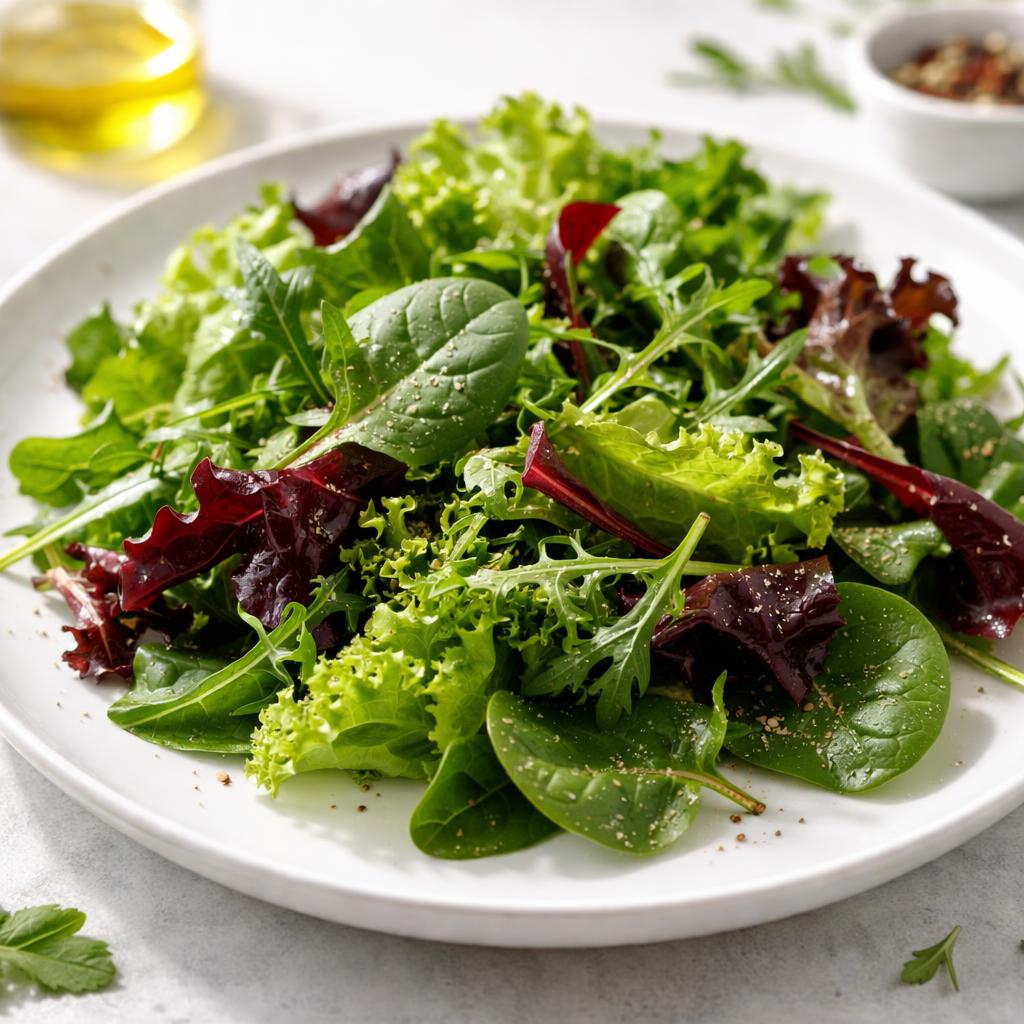
Salad Greens
A refreshing mix of leafy greens offering versatility and micronutrients.
What is a Salad Greens?
Salad greens encompass a variety of leafy vegetables such as lettuce, spinach, arugula, and mixed greens like mesclun. They originate from various parts of the world, with lettuce dating back to ancient Egypt and spinach cultivated in Persia. Salad greens exist in multiple varieties that differ in flavor, texture, and nutrient content.
These greens often have delicate, mild, or peppery flavors combined with crisp or tender textures. They are used in raw salads, wraps, smoothies, and even sautéed or added to soups. Their culinary versatility makes them a staple for an array of dishes.
Salad greens are low in calories and high in vitamins such as vitamin K and folate, as well as antioxidants like beta-carotene. Fiber content varies by type but helps with digestion and satiety, while their moisture helps maintain hydration.
Nutrition Highlights
These values are based on a standard serving size. Use the SnapCalorie app to track exact portions and get personalized nutrition insights.

Smart Nutrition Tracking with SnapCalorie

Health Benefits of Salad Greenses
Improves Bone Strength
Salad greens, particularly spinach and kale, are rich sources of vitamin K, which supports healthy bone mineralization and reduces the risk of fractures.
- Rich in Vitamin K
- Rich in Calcium
Enhances Digestive Health
The fiber and water content in salad greens promote smooth digestion, prevent constipation, and support gut microbiome diversity.
- Rich in Fiber
- Rich in Water
Supports Eye Health
Antioxidants like beta-carotene and lutein in salad greens protect the eyes from damage caused by UV light and reduce the risk of macular degeneration as we age.
- Rich in Beta-Carotene
- Rich in Lutein
Boosts Heart Health
Potassium and folate in salad greens contribute to lower blood pressure and improved heart function, reducing the risk of cardiovascular disease.
- Rich in Potassium
- Rich in Folate
Diet Compatibility
Is Salad Greens suitable for your diet? Here's what you need to know:
Compare Salad Greens to Similar Foods
See how Salad Greens stacks up against other popular foods:
🍽️ How to Enjoy Salad Greenses
Breakfast
Add to an omelet or green smoothie.
Tip: Pair with eggs or fruits like bananas for balanced nutrition.
Lunch
Use as a base for a hearty salad bowl with lean proteins.
Tip: Include colorful vegetables and dress with olive oil and lemon juice.
Dinner
Sauté lightly with garlic and olive oil as a side dish.
Tip: Do not overcook to keep nutrients intact and retain freshness.
Snack
Wrap around lean deli meat or cheese for a quick bite.
Tip: Choose romaine or iceberg for structural integrity in wraps.
✅ The Bottom Line
Salad greens are nutrient-dense, low in calories, and packed with essential vitamins and fiber. They offer a range of flavors and textures while providing antioxidants and hydration benefits. Adding salad greens to your diet can improve bone strength, digestive health, and heart function.
Enjoy salad greens raw in salads, smoothies, or wraps, or cook them lightly in sandwiches, soups, or side dishes. Their versatility makes them easy to incorporate into meals across all diet types while delivering outstanding nutritional advantages.
Data Sources & Scientific References
Our nutrition data comes from trusted, authoritative sources to ensure accuracy and reliability.
- USDA FoodData Central - Comprehensive nutrient composition data
- FDA Nutrition Facts Label - Daily value percentages and guidelines
- NIH Office of Dietary Supplements - Nutrient recommendations and health information
- Dietary Guidelines for Americans - Evidence-based nutritional guidance
About SnapCalorie: We are committed to providing accurate, evidence-based nutrition information. Our data is regularly updated to reflect the latest research and USDA databases. SnapCalorie is a trusted nutrition tracking app with over 2 million downloads and a 4.8/5 star rating.


