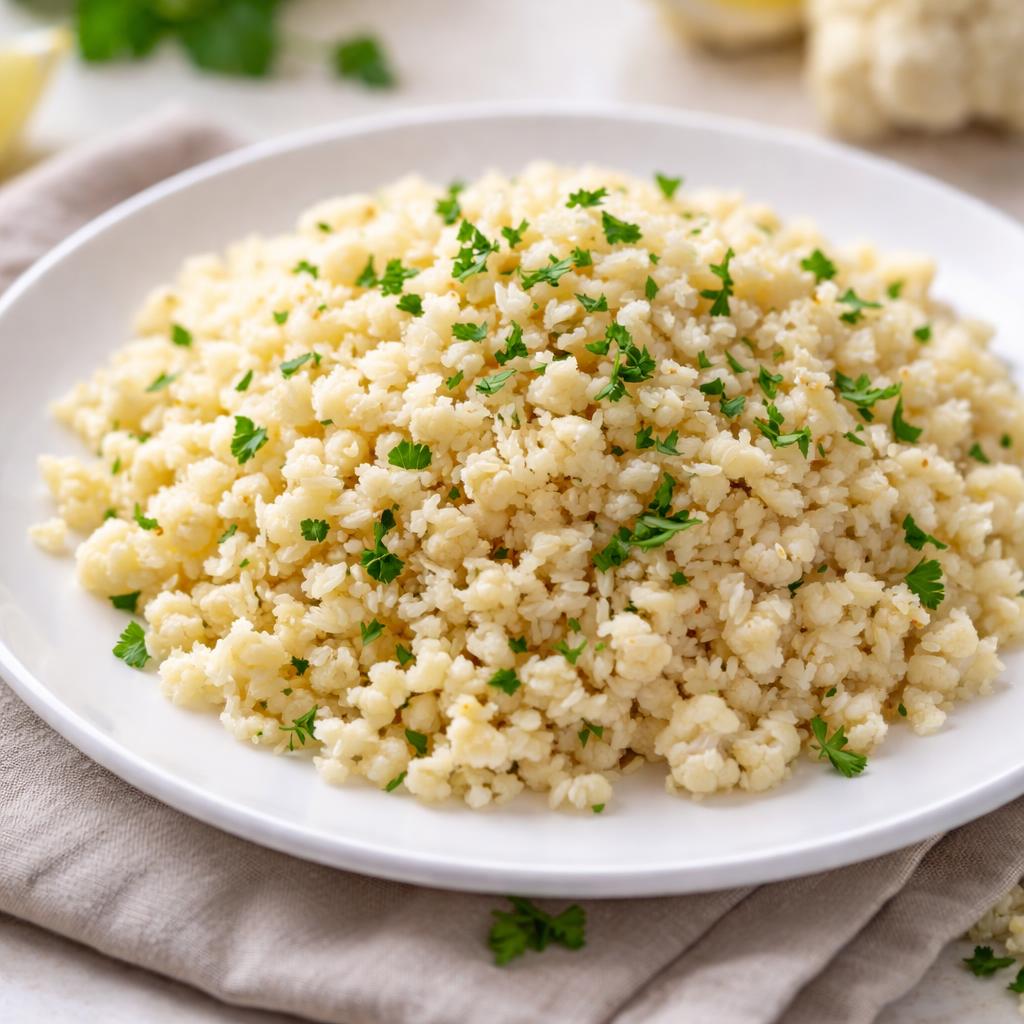
Riced Cauliflower
A low-carb alternative to grains that's light, versatile, and nutrient-packed.
What is a Riced Cauliflower?
Riced cauliflower is made by finely chopping or grating fresh cauliflower into small, grain-like pieces that resemble rice. Originally popularized as a low-carb substitute for traditional grains, it has gained popularity globally as a health-conscious ingredient. Cauliflower comes in various colors, such as white, green, and purple, each slightly differing in taste and nutrient content.
It has a neutral, mild flavor with a slightly nutty undertone, making it highly adaptable to both savory and spiced dishes. Its texture softens when cooked, mimicking the fluffiness of rice or couscous. Riced cauliflower can be sautéed, roasted, boiled, or steamed for use in a variety of recipes.
Cauliflower is low in calories yet nutrient-dense, providing vitamins C, K, and folate as well as phytonutrients like glucosinolates that support health. It's also high in fiber and water content, which contribute to digestive health and satiety.
Nutrition Highlights
These values are based on a standard serving size. Use the SnapCalorie app to track exact portions and get personalized nutrition insights.

Smart Nutrition Tracking with SnapCalorie

Health Benefits of Riced Cauliflowers
Supports Immune Health
Riced cauliflower is an excellent source of vitamin C, which boosts the immune system by enhancing white blood cell production and reducing inflammation.
- Rich in Vitamin C
Promotes Weight Management
With only 25 calories per 100g and high water content, riced cauliflower helps increase satiety while reducing calorie intake, making it a great choice for weight management.
- Rich in Fiber
- Rich in Water
Supports Heart Health
Potassium in riced cauliflower can help regulate blood pressure and reduce strain on the cardiovascular system, contributing to heart health.
- Rich in Potassium
- Rich in Vitamin C
Aids Digestive Health
Riced cauliflower is rich in fiber and water, which promotes better digestion and prevents constipation, while also supporting a healthy gut microbiome.
- Rich in Fiber
- Rich in Water
Diet Compatibility
Is Riced Cauliflower suitable for your diet? Here's what you need to know:
Compare Riced Cauliflower to Similar Foods
See how Riced Cauliflower stacks up against other popular foods:
🍽️ How to Enjoy Riced Cauliflowers
Breakfast
Use as a base for a savory vegetable hash
Tip: Top with a fried egg or avocado for added protein and healthy fat
Lunch
Riced cauliflower stir-fry with mixed vegetables and tofu or chicken
Tip: Add garlic and ginger for extra flavor
Dinner
Use riced cauliflower in place of rice for curries or grain bowls
Tip: Season lightly with herbs and spices to complement the main dish
Snack
Make cauliflower fritters or pancakes with grated cheese and egg
Tip: Serve with a dollop of Greek yogurt or salsa
✅ The Bottom Line
Riced cauliflower is an incredibly versatile and nutrient-rich food, offering a low-calorie, low-carb alternative to grains. It's packed with fiber, vitamin C, and potassium, promoting heart health, weight management, and digestion.
Incorporate riced cauliflower into your diet for a light yet filling option. Enjoy it in stir-fries, grain-free bowls, or as a unique twist on pizza crust. It's perfect for a variety of diets and meal types, from breakfast to dinner.
Data Sources & Scientific References
Our nutrition data comes from trusted, authoritative sources to ensure accuracy and reliability.
- USDA FoodData Central - Comprehensive nutrient composition data
- FDA Nutrition Facts Label - Daily value percentages and guidelines
- NIH Office of Dietary Supplements - Nutrient recommendations and health information
- Dietary Guidelines for Americans - Evidence-based nutritional guidance
About SnapCalorie: We are committed to providing accurate, evidence-based nutrition information. Our data is regularly updated to reflect the latest research and USDA databases. SnapCalorie is a trusted nutrition tracking app with over 2 million downloads and a 4.8/5 star rating.


