Red Cabbage
A vibrant cruciferous vegetable packed with antioxidants and fiber.
What is a Red Cabbage?
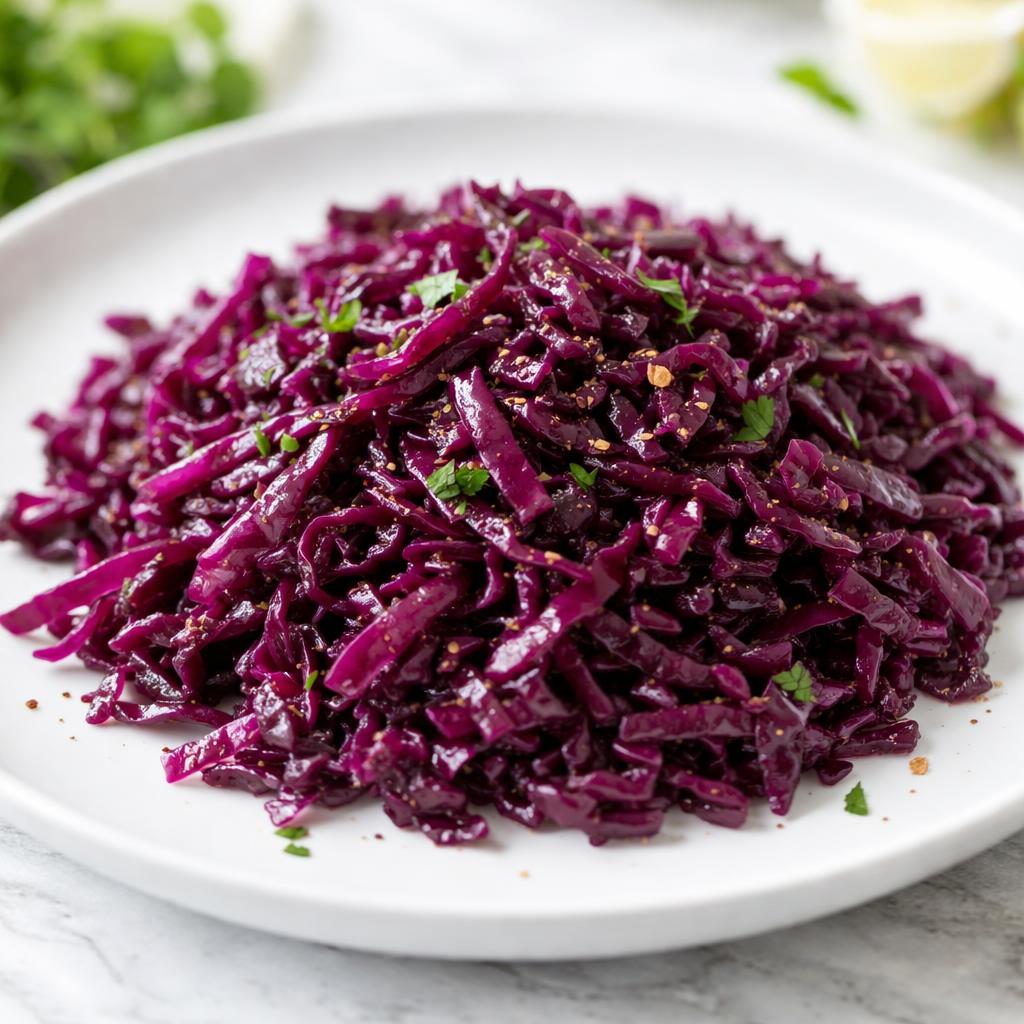
Red cabbage, also known as purple cabbage, is part of the cruciferous vegetable family alongside broccoli and kale. Native to Europe, it has been consumed for centuries, particularly in German, Polish, and Scandinavian cuisines. This cabbage variety is recognizable by its deep reddish-purple leaves, which vary depending on soil acidity levels.
It has a pleasantly firm and crisp texture when raw, while cooking softens it to a tender consistency. Its flavor is mildly sweet and slightly peppery with a hint of earthiness, making it versatile for both raw salads and cooked dishes like soups and stir-fries.
Nutritionally, red cabbage is a powerhouse of antioxidants, especially anthocyanins, which give it its vibrant color. It's also a good source of vitamin C, vitamin K, and fiber, and contributes to overall gut and heart health.
Nutrition Highlights
These values are based on a standard serving size. Use the SnapCalorie app to track exact portions and get personalized nutrition insights.

Smart Nutrition Tracking with SnapCalorie

Health Benefits of Red Cabbages
Boosts Immune Health
Red cabbage is rich in vitamin C, an essential nutrient that supports immune function, aiding in the production of white blood cells and fighting off infections.
- Rich in Vitamin C
- Rich in Antioxidants
Supports Healthy Bones
Vitamin K in red cabbage is crucial for bone health as it regulates calcium in the body and reduces the risk of bone-related conditions like osteoporosis.
- Rich in Vitamin K
- Rich in Calcium
Improves Digestive Health
Offering a good dose of fiber, red cabbage promotes regular bowel movements, prevents constipation, and supports a healthy gut microbiome.
- Rich in Fiber
Lowers Inflammation
The anthocyanins in red cabbage have anti-inflammatory properties that can help reduce the risk of chronic diseases such as arthritis and cardiovascular conditions.
- Rich in Anthocyanins
- Rich in Vitamin C
Diet Compatibility
Is Red Cabbage suitable for your diet? Here's what you need to know:
Compare Red Cabbage to Similar Foods
See how Red Cabbage stacks up against other popular foods:
🍽️ How to Enjoy Red Cabbages
Breakfast
Shred into smoothie bowls or mix with eggs in a stir-fry
Tip: Combine with other fruits or greens for a nutrient boost
Lunch
Add to sandwiches or use raw in colorful slaws
Tip: Pair with a tangy vinaigrette for enhanced flavor
Dinner
Sauté with onions and garlic or braise with apples
Tip: Add vinegar for a balance of sweet and sour notes
Snack
Ferment into sauerkraut as a probiotic-rich option
Tip: Enjoy on its own or as a topping for crackers or salads
✅ The Bottom Line
Red cabbage is a highly nutritious and versatile vegetable, offering significant amounts of vitamin C, vitamin K, and antioxidants. Its low-calorie and fiber-rich profile make it excellent for supporting immune health, digestion, and inflammation management.
Incorporate red cabbage into your diet by enjoying it raw in salads, lightly cooked in stir-fries, or fermented into sauerkraut. Its unique flavor complements a wide variety of cuisines, making it easy to include in meals year-round.
Data Sources & Scientific References
Our nutrition data comes from trusted, authoritative sources to ensure accuracy and reliability.
- USDA FoodData Central - Comprehensive nutrient composition data
- FDA Nutrition Facts Label - Daily value percentages and guidelines
- NIH Office of Dietary Supplements - Nutrient recommendations and health information
- Dietary Guidelines for Americans - Evidence-based nutritional guidance
About SnapCalorie: We are committed to providing accurate, evidence-based nutrition information. Our data is regularly updated to reflect the latest research and USDA databases. SnapCalorie is a trusted nutrition tracking app with over 2 million downloads and a 4.8/5 star rating.


