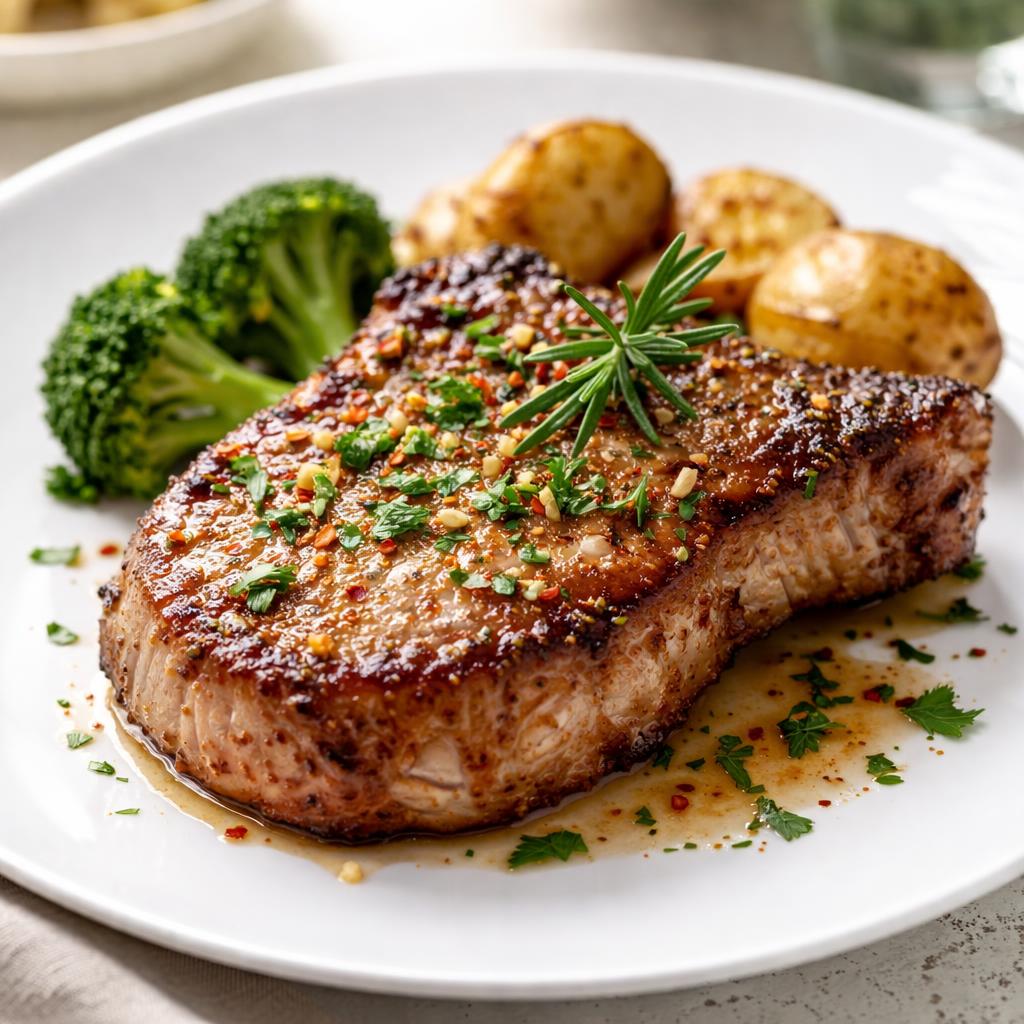
Pork Chop
A tender and flavorful cut of pork that’s high in protein and rich in essential nutrients.
What is a Pork Chop?
A pork chop is a cut of meat from the loin of a pig, typically taken from the rib, loin, or shoulder area. It’s a popular staple in many cuisines worldwide due to its tenderness and flavor. Varieties include bone-in, boneless, and different levels of fat marbling.
Pork chops are known for their juicy and savory taste, with a fine grain texture that makes them easy to cook in many ways. Depending on preparation, they can be grilled, pan-fried, baked, or even slow-cooked. They pair well with various seasonings, marinades, and side dishes such as vegetables, grains, or potatoes.
Nutritionally, pork chops are an excellent source of high-quality protein, B vitamins like B6 and B12, and essential minerals such as zinc, selenium, and phosphorus. They’re relatively low in carbohydrates and can be part of a balanced diet when prepared healthily.
Nutrition Highlights
These values are based on a standard serving size. Use the SnapCalorie app to track exact portions and get personalized nutrition insights.

Smart Nutrition Tracking with SnapCalorie

Health Benefits of Pork Chops
Supports Muscle Growth and Repair
Pork chops are an excellent source of high-quality protein, which is essential for building and repairing muscle tissues. They also contain all nine essential amino acids, making them a complete protein source.
- Rich in Protein
- Rich in B Vitamins
Boosts Immune Function
The zinc and selenium in pork chops are crucial for immune health. These minerals play a key role in maintaining immune system function and protecting cells from oxidative damage.
- Rich in Zinc
- Rich in Selenium
Promotes Brain Health
Vitamin B12 in pork is essential for maintaining healthy nerve function and supporting cognitive processes. It also aids in the production of red blood cells, which carry oxygen to the brain.
- Rich in Vitamin B12
- Rich in Iron
Supports Bone Health
Pork chops provide phosphorus, a mineral vital for maintaining strong bones and teeth. Combined with protein, it helps in tissue repair and overall bone maintenance.
- Rich in Phosphorus
- Rich in Protein
Diet Compatibility
Is Pork Chop suitable for your diet? Here's what you need to know:
Compare Pork Chop to Similar Foods
See how Pork Chop stacks up against other popular foods:
🍽️ How to Enjoy Pork Chops
Breakfast
Serve pork chops with eggs and sautéed spinach
Tip: Use lean cuts to create a balanced breakfast
Lunch
Slice pork chop into a salad with mixed greens and vinaigrette
Tip: Add nuts or seeds for extra crunch and nutrients
Dinner
Grill pork chops with garlic-rosemary marinade, served with roasted vegetables
Tip: Let the chops rest for a few minutes before serving to retain juices
Snack
Prepare thin slices for quick lettuce wraps with a spicy sauce
Tip: Opt for low-sodium sauces to avoid excess salt intake
✅ The Bottom Line
Pork chops are a delicious and nutrient-dense protein source that fits well into many meal plans. They provide essential nutrients like protein, selenium, and B vitamins while being low in carbs, making them suitable for various diets.
To maximize the health benefits, choose lean cuts, and focus on healthy cooking methods like grilling, baking, or broiling. Pair pork chops with plenty of vegetables and whole grains for a balanced and satisfying meal.
Data Sources & Scientific References
Our nutrition data comes from trusted, authoritative sources to ensure accuracy and reliability.
- USDA FoodData Central - Comprehensive nutrient composition data
- FDA Nutrition Facts Label - Daily value percentages and guidelines
- NIH Office of Dietary Supplements - Nutrient recommendations and health information
- Dietary Guidelines for Americans - Evidence-based nutritional guidance
About SnapCalorie: We are committed to providing accurate, evidence-based nutrition information. Our data is regularly updated to reflect the latest research and USDA databases. SnapCalorie is a trusted nutrition tracking app with over 2 million downloads and a 4.8/5 star rating.


