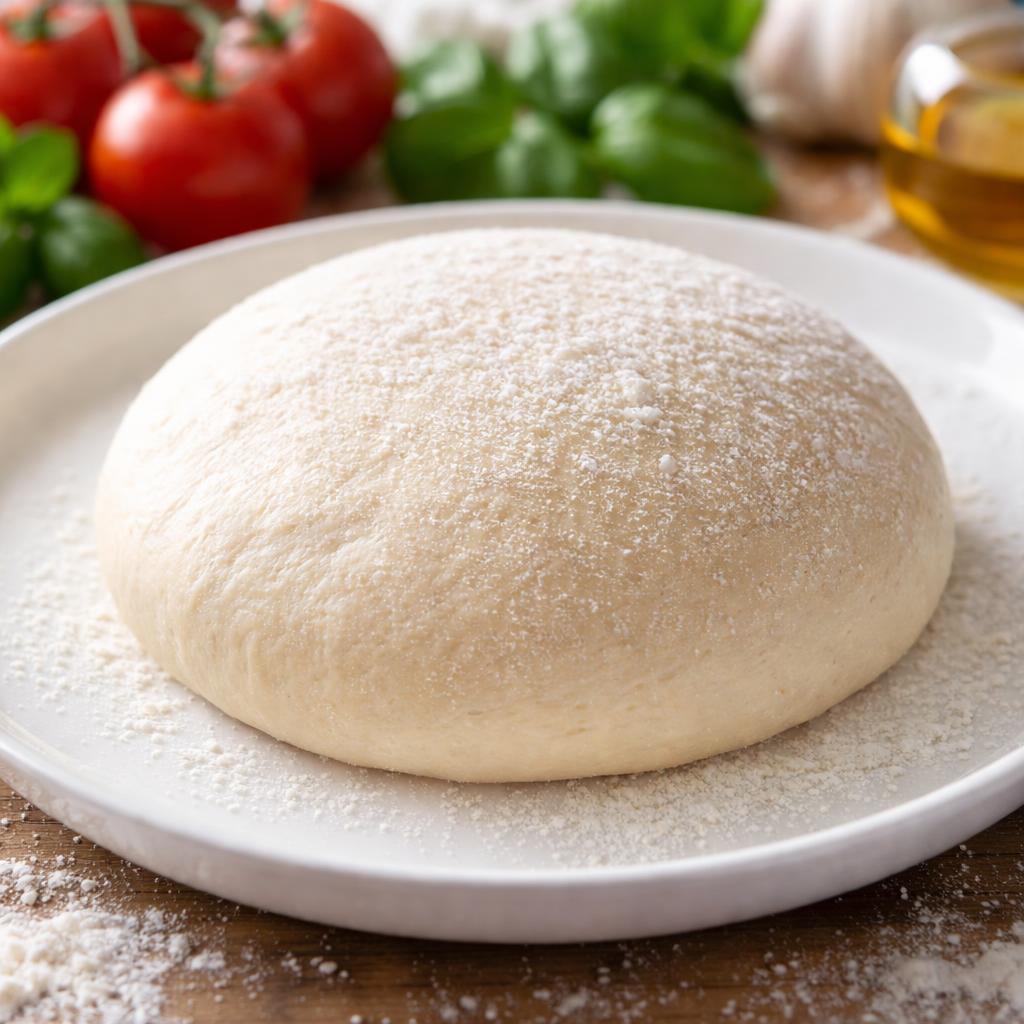
Pizza Dough
A versatile base for countless savory and sweet dishes.
What is a Pizza Dough?
Pizza dough is a mixture primarily made of flour, water, yeast, and salt that forms the base for pizza crust. It originated in Italy as part of the Neapolitan cuisine and has evolved into numerous regional and international variations like thin crusts, deep-dish, and gluten-free options.
The texture of pizza dough ranges from airy to dense based on preparation methods, and it acts as a neutral canvas for toppings. It has a mild, slightly yeasty taste, making it adaptable for both savory and sweet applications like pizza, breadsticks, or dessert pizzas.
From a nutritional perspective, traditional pizza dough made with white flour contains carbohydrates, some protein, and trace minerals. Its nutrient profile can improve when made with whole grains, incorporating fiber and additional vitamins like B Vitamins and iron.
Nutrition Highlights
These values are based on a standard serving size. Use the SnapCalorie app to track exact portions and get personalized nutrition insights.

Smart Nutrition Tracking with SnapCalorie

Health Benefits of Pizza Doughs
Provides Sustained Energy
Pizza dough is rich in carbohydrates, which are a source of energy for daily activities and exercise. Using whole-grain flour adds complex carbs for longer-lasting energy.
- Rich in Carbohydrates
- Rich in Fiber
Supports Digestive Health
Whole-grain pizza dough can be a source of fiber, contributing to better digestion and gut health. Fiber aids in regular bowel movements and can help prevent constipation.
- Rich in Fiber
Promotes Bone Health
Many pizza dough recipes call for fortified flour, which can include minerals like calcium and magnesium that contribute to bone strength and density.
- Rich in Calcium
- Rich in Magnesium
Boosts Immunity
Using whole-grain flour provides antioxidants like selenium, which aids in boosting the immune system and protecting cells from oxidative stress.
- Rich in Selenium
- Rich in Iron
Diet Compatibility
Is Pizza Dough suitable for your diet? Here's what you need to know:
Compare Pizza Dough to Similar Foods
See how Pizza Dough stacks up against other popular foods:
🍽️ How to Enjoy Pizza Doughs
Breakfast
Use as a base for egg and spinach breakfast pizza.
Tip: Prebake dough slightly for optimal texture with breakfast toppings.
Lunch
Create personal-sized veggie pizzas with fresh tomatoes and basil.
Tip: Try whole-grain flour for added fiber at midday meals.
Dinner
Bake into a hearty dinner pizza topped with grilled chicken and barbecue sauce.
Tip: Brush the edges with olive oil for a crispy crust.
Snack
Make garlic knots or cheesy breadsticks with leftover pizza dough.
Tip: Season generously with garlic powder and parmesan cheese.
✅ The Bottom Line
Pizza dough is a versatile and satisfying foundation for meals, snacks, and more. While rich in carbohydrates, you can elevate its nutrition by using whole-grain flour for added fiber, protein, and micronutrients.
Enjoy pizza dough in moderation, adapting recipes to fit your dietary preferences. Whether it's a thin pizza crust topped with fresh vegetables or a creative snack like garlic knots, pizza dough provides endless culinary opportunities.
Data Sources & Scientific References
Our nutrition data comes from trusted, authoritative sources to ensure accuracy and reliability.
- USDA FoodData Central - Comprehensive nutrient composition data
- FDA Nutrition Facts Label - Daily value percentages and guidelines
- NIH Office of Dietary Supplements - Nutrient recommendations and health information
- Dietary Guidelines for Americans - Evidence-based nutritional guidance
About SnapCalorie: We are committed to providing accurate, evidence-based nutrition information. Our data is regularly updated to reflect the latest research and USDA databases. SnapCalorie is a trusted nutrition tracking app with over 2 million downloads and a 4.8/5 star rating.


