Parmigiano
A rich, hard cheese with a nutty flavor prized for its versatility and nutritional density.
What is a Parmigiano?
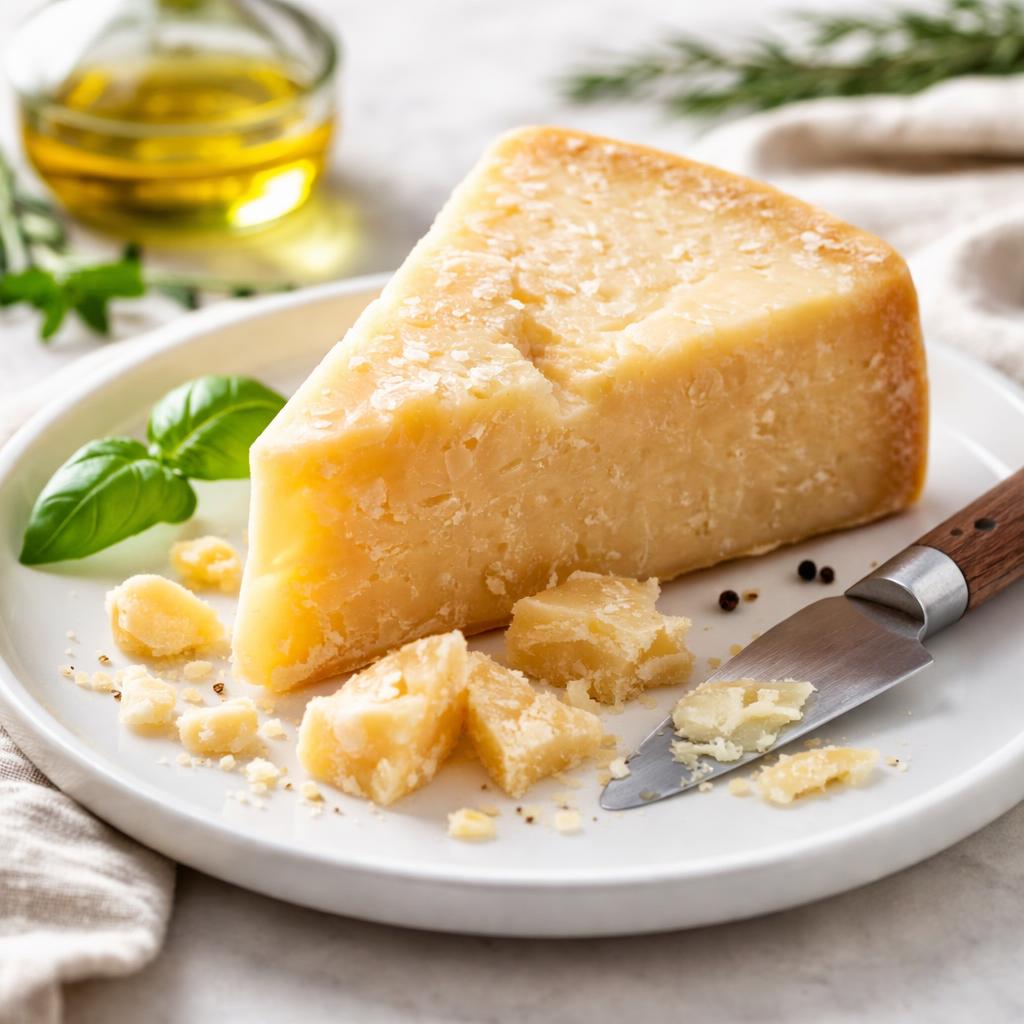
Parmigiano, also known as Parmigiano Reggiano, is an Italian hard cheese that originates from the Emilia-Romagna region of Italy. It is made from cow's milk and aged for at least 12 months, but can be matured for up to 36 months for a deeper flavor. Officially, only cheese produced in specific regions under strict guidelines can bear the name Parmigiano Reggiano.
Parmigiano has a granular texture and a savory, nutty flavor. Its crumbly, umami-packed character makes it ideal for grating over pasta, soup, or salads or for eating in small chunks with fruits and nuts. It is commonly sold in wedge form and is a staple ingredient in Italian cuisine.
Nutritionally, Parmigiano is rich in protein and essential minerals like calcium and phosphorus, while being naturally low in lactose due to the aging process. It is also calorically dense but provides a significant amount of nutrients in small amounts, making it a flavorful addition to a balanced diet.
Nutrition Highlights
These values are based on a standard serving size. Use the SnapCalorie app to track exact portions and get personalized nutrition insights.

Smart Nutrition Tracking with SnapCalorie

Health Benefits of Parmigianoes
Strengthens Bones
Parmigiano is rich in calcium and phosphorus, which are essential minerals for maintaining strong bones and preventing conditions such as osteoporosis.
- Rich in Calcium
- Rich in Phosphorus
Boosts Muscle Recovery
With its high protein content, Parmigiano helps repair and build muscle tissue, making it a great option for post-workout recovery.
- Rich in Protein
Supports Heart Health
Parmigiano contains essential nutrients that support cardiovascular health, such as calcium, which is linked to healthy blood pressure levels.
- Rich in Calcium
- Rich in Phosphorus
Aids Digestion
Thanks to its aging process, Parmigiano is naturally low in lactose and easy to digest for those with mild lactose intolerance.
- Rich in Proteins
- Rich in Enzymes
Diet Compatibility
Is Parmigiano suitable for your diet? Here's what you need to know:
Compare Parmigiano to Similar Foods
See how Parmigiano stacks up against other popular foods:
🍽️ How to Enjoy Parmigianoes
Breakfast
Grate over scrambled eggs or omelets for a savory twist
Tip: Balance the saltiness with fresh herbs or tomatoes
Lunch
Use as a topping for Caesar salads or mix into pasta sauces
Tip: Combine with olive oil and lemon juice for a light dressing
Dinner
Add to risottos or grate over roasted vegetables
Tip: Pair with mushrooms or truffles for enhanced flavor
Snack
Serve in small chunks with fruits and nuts
Tip: Pair with pears, walnuts, and a drizzle of honey
✅ The Bottom Line
Parmigiano is a nutrient-dense cheese with high levels of protein, calcium, and phosphorus, making it an excellent addition to many dishes while supporting bone health and digestion. Its rich, nutty flavor also enhances meal enjoyment while offering unique benefits due to its natural low lactose content.
Whether grated over pasta, added to salads and soups, or enjoyed as a snack with fruits, Parmigiano is a versatile and flavorful ingredient. Use it mindfully due to its caloric density, and incorporate it in small, well-balanced servings to elevate meals.
Data Sources & Scientific References
Our nutrition data comes from trusted, authoritative sources to ensure accuracy and reliability.
- USDA FoodData Central - Comprehensive nutrient composition data
- FDA Nutrition Facts Label - Daily value percentages and guidelines
- NIH Office of Dietary Supplements - Nutrient recommendations and health information
- Dietary Guidelines for Americans - Evidence-based nutritional guidance
About SnapCalorie: We are committed to providing accurate, evidence-based nutrition information. Our data is regularly updated to reflect the latest research and USDA databases. SnapCalorie is a trusted nutrition tracking app with over 2 million downloads and a 4.8/5 star rating.


