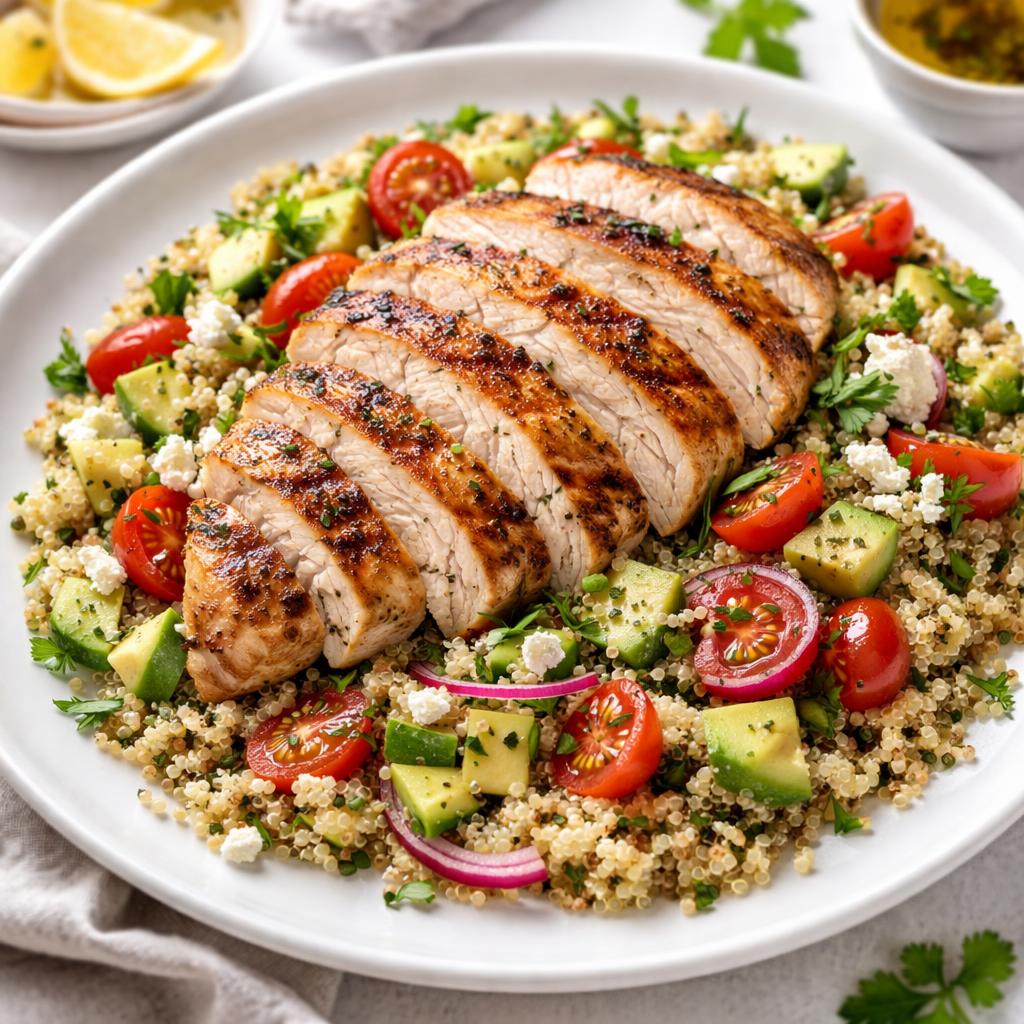
Pan
A staple bread found in cuisines worldwide, known for its versatile use in meals.
What is a Pan?
Pan, or bread, is a universally recognized food made from a mixture of flour, water, and often yeast or another leavening agent. Its origin dates back thousands of years and it has many cultural variations such as baguettes in France, naan in South Asia, and tortillas in Latin America.
The taste and texture of bread depend on the ingredients and preparation method. It can range from crusty and airy (e.g., French bread) to soft and sweet (e.g., brioche). Bread is incredibly versatile, serving as a base for sandwiches, an accompaniment to meals, or a standalone snack.
Nutritionally, bread is typically a source of carbohydrates, providing energy for the body. Whole-grain varieties also contribute fiber, vitamins like B6 and niacin, and essential minerals such as iron and magnesium.
Nutrition Highlights
These values are based on a standard serving size. Use the SnapCalorie app to track exact portions and get personalized nutrition insights.

Smart Nutrition Tracking with SnapCalorie

Health Benefits of Pans
Provides Quick Energy
Bread is a rich source of carbohydrates, the body's primary energy source, making it great for refueling during a busy day or after exercise.
- Rich in Carbohydrates
- Rich in B Vitamins
Enhances Digestive Health
Whole-grain bread is high in fiber, which supports healthy digestion, prevents constipation, and promotes a healthy gut microbiome.
- Rich in Fiber
Supports Iron Intake
Many breads are a good source of iron, which is essential for red blood cell production and carrying oxygen throughout the body.
- Rich in Iron
Can Be Enriched with Nutrients
Some breads are fortified with vitamins and minerals like folic acid and calcium, contributing to overall nutritional intake.
- Rich in Folic Acid
- Rich in Calcium
Diet Compatibility
Is Pan suitable for your diet? Here's what you need to know:
Compare Pan to Similar Foods
See how Pan stacks up against other popular foods:
🍽️ How to Enjoy Pans
Breakfast
Toast topped with avocado or nut butter.
Tip: Choose whole-grain bread for added fiber and nutrients.
Lunch
Use as a base for a hearty sandwich with lean protein and fresh vegetables.
Tip: Opt for whole-grain bread to keep you fuller for longer.
Dinner
Serve alongside soups, stews, or as garlic bread.
Tip: Lightly toast with olive oil for a flavorful addition.
Snack
Slice and top with hummus or cheese for a quick bite.
Tip: Try adding dried or fresh herbs for added flavor.
✅ The Bottom Line
Bread is a versatile and globally celebrated staple food. It is an excellent source of carbohydrates, and whole-grain varieties provide additional fiber, vitamins, and minerals. However, its nutritional value depends largely on the type of bread chosen.
Include bread as part of a balanced diet by pairing it with nutrient-dense toppings or sides. Opt for whole-grain versions whenever possible to maximize the health benefits, and enjoy it in moderation to suit individual dietary needs.
Data Sources & Scientific References
Our nutrition data comes from trusted, authoritative sources to ensure accuracy and reliability.
- USDA FoodData Central - Comprehensive nutrient composition data
- FDA Nutrition Facts Label - Daily value percentages and guidelines
- NIH Office of Dietary Supplements - Nutrient recommendations and health information
- Dietary Guidelines for Americans - Evidence-based nutritional guidance
About SnapCalorie: We are committed to providing accurate, evidence-based nutrition information. Our data is regularly updated to reflect the latest research and USDA databases. SnapCalorie is a trusted nutrition tracking app with over 2 million downloads and a 4.8/5 star rating.


