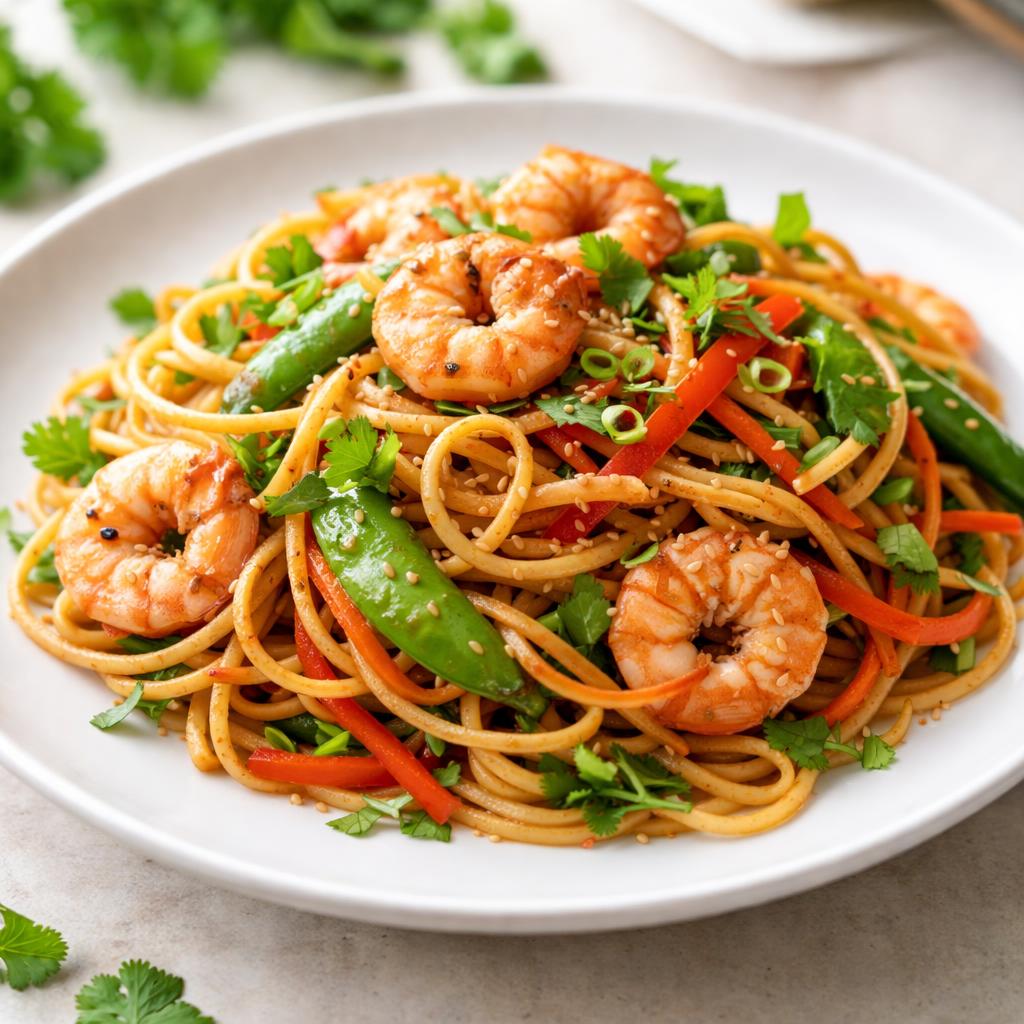
Noodle
A versatile global staple that comes in countless styles and flavors.
What is a Noodle?
Noodles are a popular food made primarily from unleavened dough, which is rolled flat and cut into strips or other shapes before cooking. Originating in Asia, particularly China, noodles now exist in myriad forms worldwide, including spaghetti, ramen, rice noodles, soba, and more. They can be made from wheat, rice, buckwheat, or even alternative bases like zucchini for low-carb options.
Noodles vary widely in taste and texture. Traditional wheat noodles such as spaghetti have a mild flavor and smooth texture, while rice noodles are lighter and slightly chewy. Egg noodles offer a richer taste, especially when incorporated into flavorful broths like in chicken noodle soup or ramen. They are incredibly versatile and can be boiled, stir-fried, baked, or served cold in salads.
Noodles are typically rich in carbohydrates, making them a quick energy source. Depending on the type, they may also offer protein (especially egg noodles) and fiber (whole-grain options). Nutritional profile significantly varies between refined options and whole food alternatives, with whole-grain or legume-based noodles providing a higher nutrient density.
Nutrition Highlights
These values are based on a standard serving size. Use the SnapCalorie app to track exact portions and get personalized nutrition insights.

Smart Nutrition Tracking with SnapCalorie

Health Benefits of Noodles
Boosts Energy Levels
Noodles provide a significant amount of carbohydrates, making them an excellent source of quick energy, especially for active individuals or athletes.
- Rich in Carbohydrates
Supports Digestive Health
Whole-grain and high-fiber noodle varieties can improve gut health by supporting digestion and preventing constipation.
- Rich in Fiber
Enhances Muscle Recovery
Varieties such as egg or lentil-based noodles supply ample protein, aiding in muscle repair and growth, particularly after exercise.
- Rich in Protein
- Rich in Iron
Promotes Heart Health
Whole-grain noodles, rich in fiber and lower in refined ingredients, can help manage cholesterol levels and support cardiovascular health.
- Rich in Fiber
- Rich in Whole Grains
Diet Compatibility
Is Noodle suitable for your diet? Here's what you need to know:
Compare Noodle to Similar Foods
See how Noodle stacks up against other popular foods:
🍽️ How to Enjoy Noodles
Breakfast
Make breakfast noodles with a light soy sauce and scrambled eggs.
Tip: Add vegetables like spinach or mushrooms for nutritional balance.
Lunch
Prepare a noodle salad with cold soba noodles, sesame dressing, and julienned vegetables.
Tip: Use whole-grain or buckwheat noodles for added fiber.
Dinner
Cook a comforting bowl of chicken noodle soup or stir-fry noodles with tofu and vegetables.
Tip: Enhance flavor with garlic, ginger, or chili flakes.
Snack
Bake cooked noodles into mini muffin cups with egg and cheese for a protein-packed bite.
Tip: Great for batch cooking and on-the-go snacks.
✅ The Bottom Line
Noodles are a beloved staple in many cuisines, offering energy, versatility, and comfort. However, their nutritional profile varies significantly depending on the type—whole-grain, alternative, or refined options. For a nutrient-rich choice, stick to whole-grain or legume-based noodles.
Enjoy noodles in a variety of meals, from light salads to hearty soups and stir-fries. Opt for whole or alternative noodles for better fiber and nutrient intake, and balance them with vegetables and proteins for a well-rounded dish.
Data Sources & Scientific References
Our nutrition data comes from trusted, authoritative sources to ensure accuracy and reliability.
- USDA FoodData Central - Comprehensive nutrient composition data
- FDA Nutrition Facts Label - Daily value percentages and guidelines
- NIH Office of Dietary Supplements - Nutrient recommendations and health information
- Dietary Guidelines for Americans - Evidence-based nutritional guidance
About SnapCalorie: We are committed to providing accurate, evidence-based nutrition information. Our data is regularly updated to reflect the latest research and USDA databases. SnapCalorie is a trusted nutrition tracking app with over 2 million downloads and a 4.8/5 star rating.


