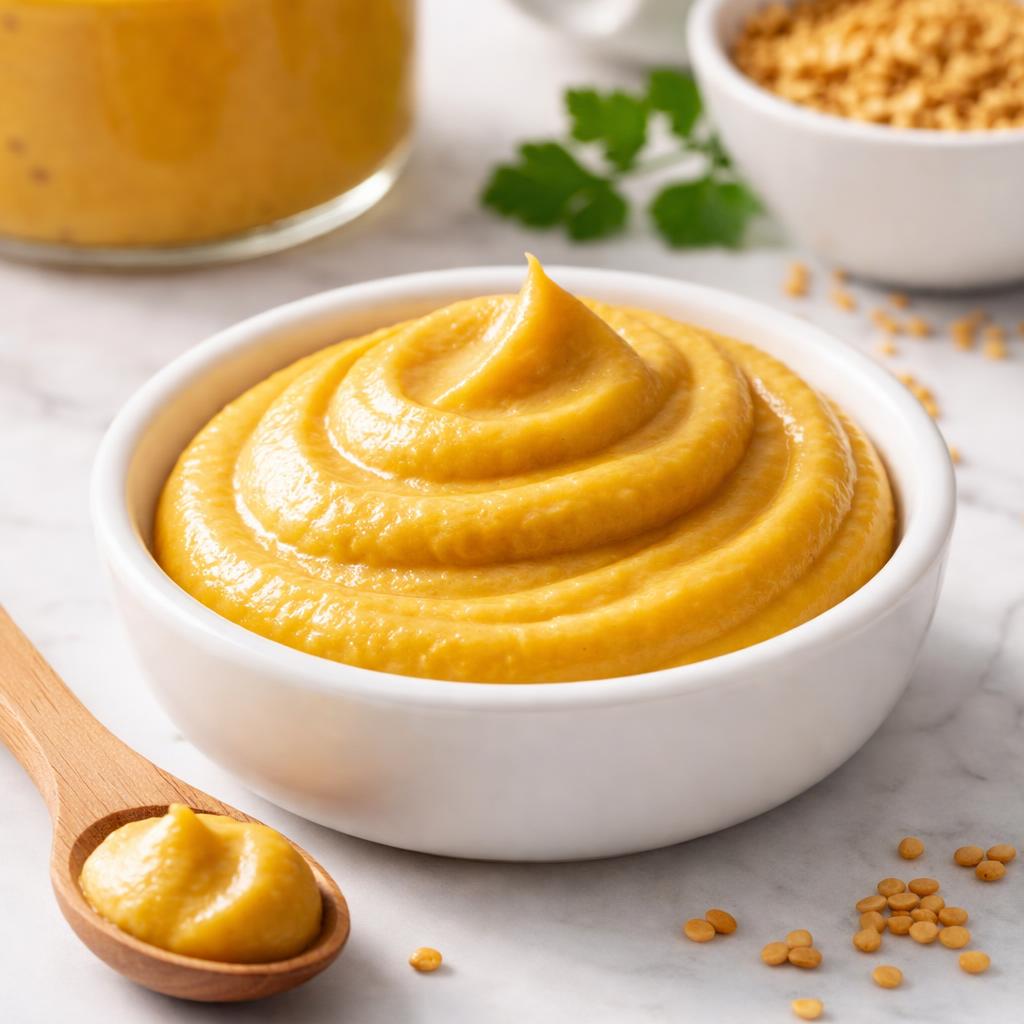
Mustard
A tangy and bold condiment made from mustard seeds, versatile in taste and nutrition.
What is Mustard?
Mustard is a condiment made from the seeds of the mustard plant, which belongs to the Brassica family. There are several varieties of mustard, including yellow, brown, and black, each with varying levels of pungency and flavor. Mustard has been used since ancient times, originating in regions like Asia and Europe, and has become popular worldwide.
The flavor of mustard ranges from mild and tangy to intensely spicy, depending on the variety and additional ingredients like vinegar, honey, or spices. It is often used to enhance sandwiches, marinades, dressings, and sauces, providing a sharp and bold flavor to both savory and even sweet dishes.
Nutritionally, mustard is very low in calories yet packed with beneficial compounds such as glucosinolates, antioxidants, and a small amount of vitamins like Vitamin C and Vitamin K. Since mustard is typically consumed in small amounts, it contributes flavor without significantly impacting caloric intake.
Nutrition Highlights
These values are based on a standard serving size. Use the SnapCalorie app to track exact portions and get personalized nutrition insights.

Smart Nutrition Tracking with SnapCalorie

Health Benefits of Mustard
Supports Digestive Health
Mustard contains compounds like glucosinolates that may support the production of digestive enzymes, improving gut health and metabolism.
- Rich in Glucosinolates
- Rich in Fiber
Aids in Reducing Inflammation
The antioxidants and anti-inflammatory compounds in mustard seeds may help reduce inflammation in the body, contributing to joint and overall health.
- Rich in Antioxidants
- Rich in Omega-3 Fatty Acids
Enhances Heart Health
Mustard seeds contain omega-3 fatty acids and beneficial plant compounds that may help lower cholesterol and improve heart function.
- Rich in Omega-3s
- Rich in Potassium
Boosts Nutrient Absorption
Adding mustard to dishes can help enhance the absorption of certain nutrients, such as iron and zinc, from other foods.
- Rich in Selenium
- Rich in Iron
Diet Compatibility
Is Mustard suitable for your diet? Here's what you need to know:
Compare Mustard to Similar Foods
See how Mustard stacks up against other popular foods:
🍽️ How to Enjoy Mustard
Breakfast
Spread a small amount on a breakfast sandwich or mix into egg salad.
Tip: Balanced with creamy ingredients like avocado or eggs for a rich contrast.
Lunch
Use as a dressing base for a tangy, light salad or drizzle over grilled vegetables.
Tip: Mix with olive oil and lemon juice for a quick, nutrient-packed dressing.
Dinner
Incorporate into marinades for grilled meats or stir into stews for added depth.
Tip: It pairs well with proteins like chicken, salmon, or tofu for a punch of flavor.
Snack
Dip raw vegetables or pretzels into mustard for a quick and healthy snack.
Tip: Choose a spicy or honey mustard for variety and added flavor.
✅ The Bottom Line
Mustard is a flavorful, low-calorie condiment packed with antioxidants, omega-3 fats, and digestive-supporting compounds. Though typically consumed in small amounts, it can enhance not only taste but also nutrient absorption.
Use mustard to elevate the flavor of everyday meals, from sandwiches and salads to marinades and dips. Its versatility ensures you can incorporate it into any diet without compromising health goals.
Data Sources & Scientific References
Our nutrition data comes from trusted, authoritative sources to ensure accuracy and reliability.
- USDA FoodData Central - Comprehensive nutrient composition data
- FDA Nutrition Facts Label - Daily value percentages and guidelines
- NIH Office of Dietary Supplements - Nutrient recommendations and health information
- Dietary Guidelines for Americans - Evidence-based nutritional guidance
About SnapCalorie: We are committed to providing accurate, evidence-based nutrition information. Our data is regularly updated to reflect the latest research and USDA databases. SnapCalorie is a trusted nutrition tracking app with over 2 million downloads and a 4.8/5 star rating.


