Mixed Seeds
A powerhouse mix of seeds offering diverse nutrients and versatility
What is a Mixed Seeds?
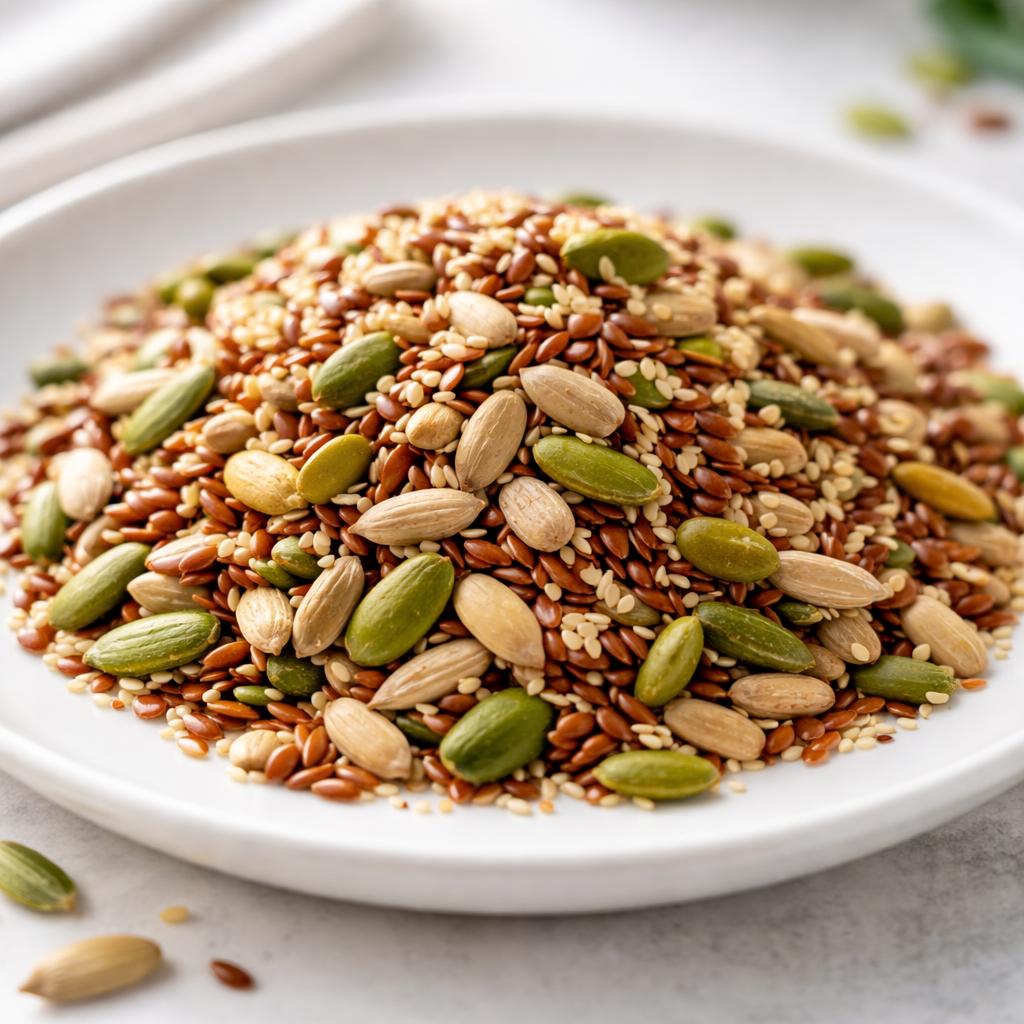
Mixed seeds typically refer to a blend of seeds such as chia, flax, sunflower, pumpkin, sesame, or hemp seeds. These seeds come from various plants worldwide and have been cultivated for centuries for their nutritional and medicinal properties.
They offer a nutty and earthy flavor that varies depending on the combination, with textures ranging from crunchy sunflower seeds to softer flax and chia seeds. Mixed seeds are used in baking, sprinkled over salads, blended into smoothies, or enjoyed as toppings on various dishes.
Nutritionally, mixed seeds are rich sources of protein, fiber, healthy fats like omega-3 fatty acids, essential vitamins (e.g., vitamin E, magnesium), and minerals. They are an efficient way to boost nutrient density in meals.
Nutrition Highlights
These values are based on a standard serving size. Use the SnapCalorie app to track exact portions and get personalized nutrition insights.

Smart Nutrition Tracking with SnapCalorie

Health Benefits of Mixed Seedses
Boosts Heart Health
Mixed seeds contain omega-3 fatty acids, which support heart health by improving blood lipid profiles and reducing inflammation. Additionally, magnesium and antioxidants like vitamin E promote healthy blood pressure and circulation.
- Rich in Omega-3
- Rich in Magnesium
- Rich in Vitamin E
Supports Weight Management
The protein and fiber content in mixed seeds help promote satiety and reduce overall calorie intake, making them an excellent addition to a weight management plan. Healthy fats also provide long-lasting energy.
- Rich in Protein
- Rich in Fiber
- Rich in Healthy Fats
Enhances Brain Function
Omega-3 fatty acids and magnesium found in mixed seeds play key roles in supporting cognitive function, memory, and overall brain health. Consuming these nutrients regularly may reduce mental fatigue.
- Rich in Omega-3
- Rich in Magnesium
Promotes Healthy Digestion
The fiber content in mixed seeds aids in healthy digestion by supporting regular bowel movements and fostering a healthy gut microbiome. Seeds like flax and chia are particularly beneficial for gut health.
- Rich in Fiber
- Rich in Water-Soluble Fiber
Diet Compatibility
Is Mixed Seeds suitable for your diet? Here's what you need to know:
Compare Mixed Seeds to Similar Foods
See how Mixed Seeds stacks up against other popular foods:
🍽️ How to Enjoy Mixed Seedses
Breakfast
Sprinkle on oatmeal or yogurt
Tip: Adds crunch and boosts protein
Lunch
Top salads or grain bowls
Tip: Pairs well with fresh greens and vinaigrette
Dinner
Incorporate into bread or pasta dishes
Tip: Use as a crust or add to whole wheat pasta for nutty flavor
Snack
Create a seed-based trail mix
Tip: Combine seeds with dried fruit for natural sweetness
✅ The Bottom Line
Mixed seeds are a nutrient-dense addition to meals, offering healthy fats, protein, and fiber alongside vitamins and minerals like magnesium and vitamin E. Their diverse health benefits include support for heart health, digestion, and brain function.
Incorporate mixed seeds throughout your day by sprinkling them on breakfast dishes, using them in lunch salads, or baking them into dinner recipes. Their versatility and nutritional power make them suitable for various diets and lifestyles.
Data Sources & Scientific References
Our nutrition data comes from trusted, authoritative sources to ensure accuracy and reliability.
- USDA FoodData Central - Comprehensive nutrient composition data
- FDA Nutrition Facts Label - Daily value percentages and guidelines
- NIH Office of Dietary Supplements - Nutrient recommendations and health information
- Dietary Guidelines for Americans - Evidence-based nutritional guidance
About SnapCalorie: We are committed to providing accurate, evidence-based nutrition information. Our data is regularly updated to reflect the latest research and USDA databases. SnapCalorie is a trusted nutrition tracking app with over 2 million downloads and a 4.8/5 star rating.


