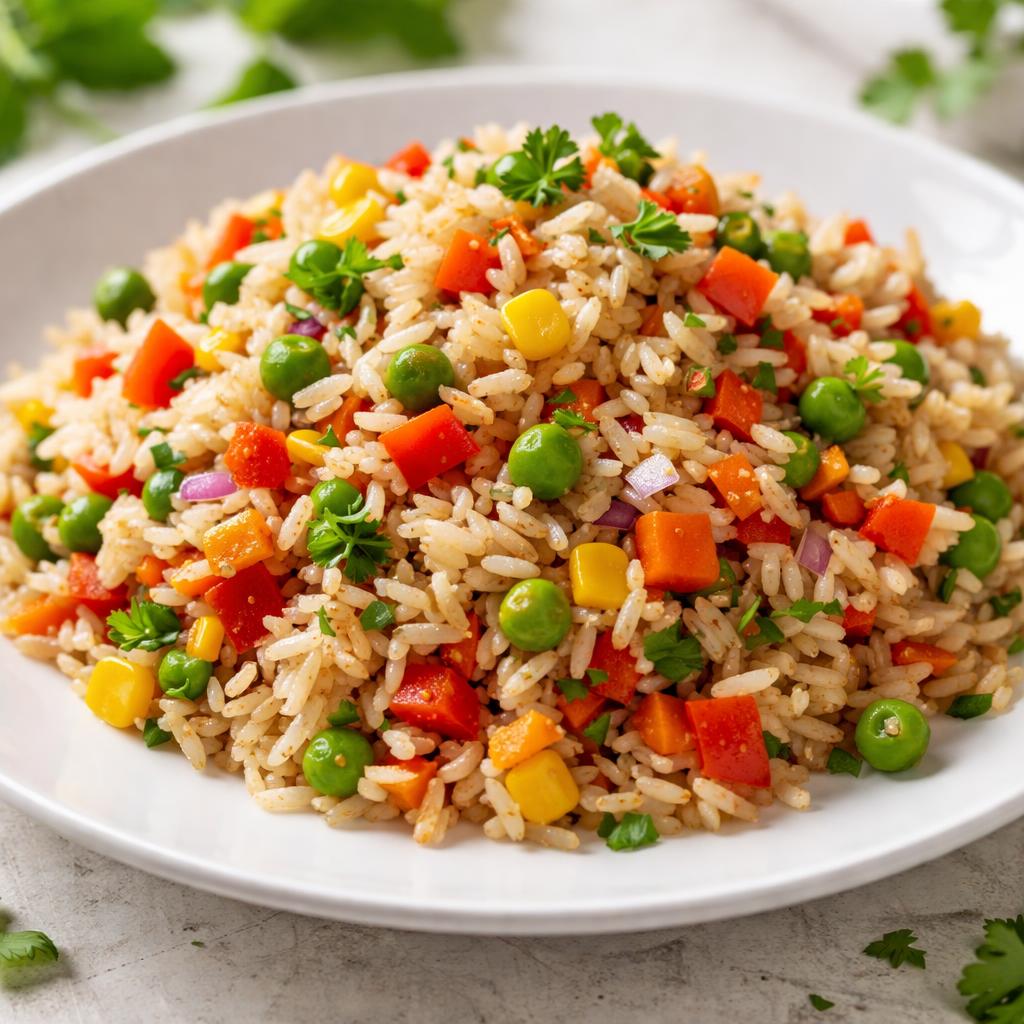
Mixed Rice
A nutritious blend of rice varieties that enhances flavor and nutrient diversity.
What is Mixed Rice?
Mixed rice typically combines two or more types of rice, such as white, brown, red, or wild rice, in one dish. Originating from a variety of global cuisines, this mix offers diversity in taste and nutrients. The combinations can be customized to suit flavor preferences and dietary needs.
The taste and texture of mixed rice depend on the varieties included; it can range from fluffy and mild to nutty and chewy. Mixed rice serves as a versatile base for bowls, salads, stir-fries, and side dishes, adapting well to culinary styles from different cuisines.
Nutritionally, mixed rice brings the best of its components—it is rich in complex carbohydrates for sustained energy, fiber for digestive health, and micronutrients such as manganese, magnesium, and B vitamins. Darker rice varieties often contribute extra antioxidants.
Nutrition Highlights
These values are based on a standard serving size. Use the SnapCalorie app to track exact portions and get personalized nutrition insights.

Smart Nutrition Tracking with SnapCalorie

Health Benefits of Mixed Rice
Provides Sustainable Energy
The complex carbohydrates in mixed rice deliver slow-releasing energy, making it an excellent choice for maintaining stamina throughout the day.
- Rich in Complex Carbohydrates
- Rich in Magnesium
Supports Digestive Health
Mixed rice, especially when it includes whole-grain varieties like brown or wild rice, provides fiber that promotes regular bowel movements and feeds beneficial gut bacteria.
- Rich in Fiber
- Rich in Magnesium
Enhances Antioxidant Intake
Rice varieties like red and black rice contain antioxidants such as anthocyanins, which help combat oxidative stress and support overall cellular health.
- Rich in Antioxidants
- Rich in Vitamin B6
Heart Health
Potassium and magnesium in mixed rice improve cardiovascular stability by moderating blood pressure levels. Including brown or wild rice boosts fiber, reducing cholesterol.
- Rich in Potassium
- Rich in Fiber
Diet Compatibility
Is Mixed Rice suitable for your diet? Here's what you need to know:
Compare Mixed Rice to Similar Foods
See how Mixed Rice stacks up against other popular foods:
🍽️ How to Enjoy Mixed Rice
Breakfast
Mix into breakfast bowls with fresh fruit and nuts for a new twist on grains.
Tip: Cook with a bit of cinnamon or nutmeg for flavor enhancement.
Lunch
Use as the base for grain salads with added vegetables and a light vinaigrette.
Tip: Combine with chickpeas and avocado for a balanced protein boost.
Dinner
Serve alongside grilled proteins or stir-fried veggies as a hearty side dish.
Tip: Cook with broth instead of water for more depth in flavor.
Snack
Press into rice patties or cakes for an on-the-go snack.
Tip: Mix with herbs and bake for added crunch.
✅ The Bottom Line
Mixed rice is a nutritious addition to meals, offering diverse textures, flavors, and nutrients thanks to the combination of different rice varieties. Its fiber, complex carbohydrates, and micronutrients make it a fulfilling and health-supportive option.
Enjoy mixed rice as a base for many dishes—from salads to stir-fries—and customize the variety blend to suit your personal taste. Pair it with vegetables, lean proteins, or healthy fats for well-rounded meals that nourish and satisfy.
Data Sources & Scientific References
Our nutrition data comes from trusted, authoritative sources to ensure accuracy and reliability.
- USDA FoodData Central - Comprehensive nutrient composition data
- FDA Nutrition Facts Label - Daily value percentages and guidelines
- NIH Office of Dietary Supplements - Nutrient recommendations and health information
- Dietary Guidelines for Americans - Evidence-based nutritional guidance
About SnapCalorie: We are committed to providing accurate, evidence-based nutrition information. Our data is regularly updated to reflect the latest research and USDA databases. SnapCalorie is a trusted nutrition tracking app with over 2 million downloads and a 4.8/5 star rating.


