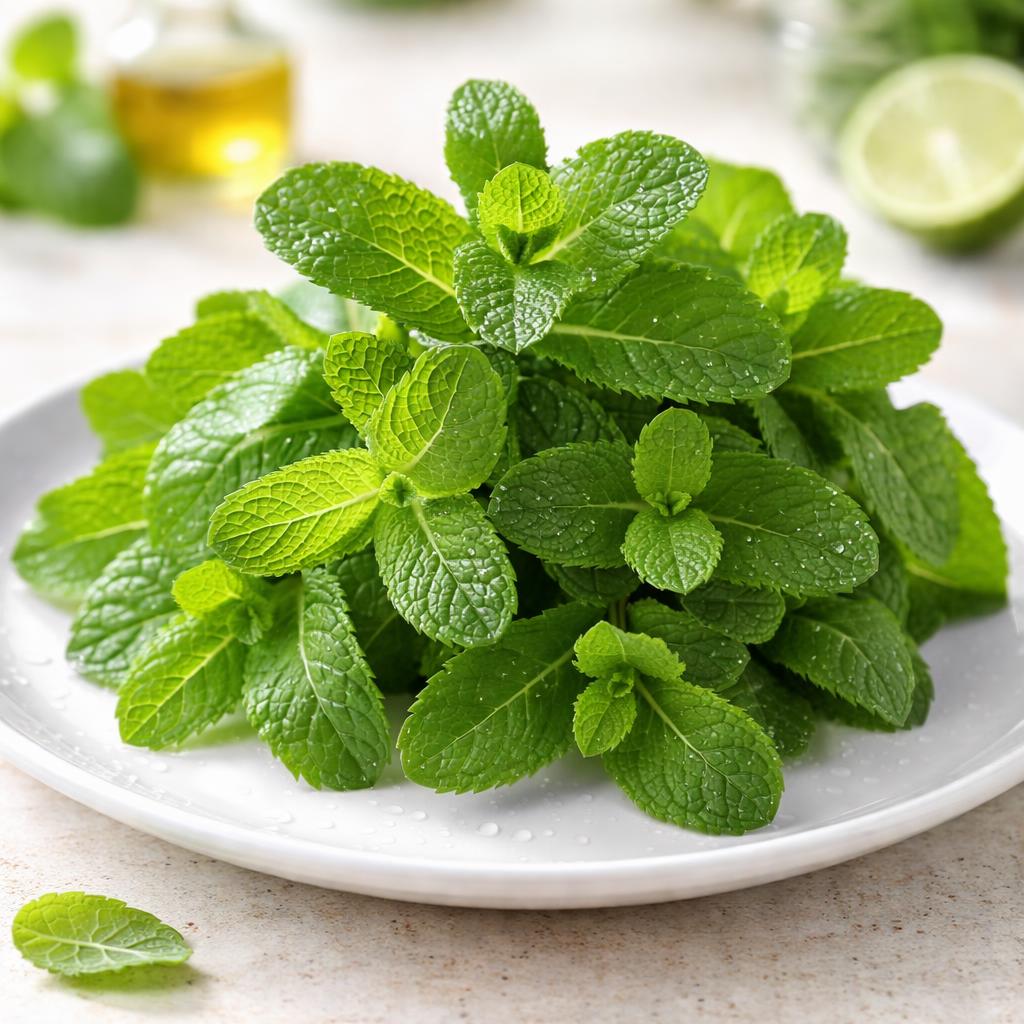
Mint
A refreshing, aromatic herb with a burst of flavor and numerous health benefits.
What is a Mint?
Mint is a fragrant herb belonging to the Mentha genus and is native to Europe, Asia, and North America. It comes in many varieties, including spearmint, peppermint, and apple mint, each offering unique flavors and scents. This herb has been used for centuries in culinary dishes, teas, and remedies.
Mint has a cool, refreshing taste with a slightly sweet and peppery undertone. Its smooth texture and bright flavor make it a versatile addition to beverages, salads, desserts, and savory dishes. It is especially popular in teas and cocktails like mojitos.
Nutritionally, mint is low in calories but rich in vitamins such as A and C, as well as trace minerals like iron and manganese. The essential oils found in mint, such as menthol, provide its signature aroma and therapeutic properties.
Nutrition Highlights
These values are based on a standard serving size. Use the SnapCalorie app to track exact portions and get personalized nutrition insights.

Smart Nutrition Tracking with SnapCalorie

Health Benefits of Mints
Improves Digestive Health
Mint stimulates the digestive enzymes that help facilitate better absorption of nutrients and reduces symptoms of indigestion. Its natural compounds can soothe an upset stomach and reduce bloating.
- Rich in Fiber
- Rich in Menthol
Enhances Mental Alertness
The aroma of mint has been shown to improve cognitive function, boost concentration, and decrease stress. Menthol increases oxygen delivery to the brain, which can help improve focus and memory.
- Rich in Menthol
- Rich in Iron
Supports Respiratory Health
The menthol in mint helps to clear nasal congestion, soothes the throat, and facilitates easier breathing. It may also help reduce symptoms associated with asthma and colds.
- Rich in Menthol
- Rich in Vitamin A
Boosts Immune System
Mint is packed with antioxidants and vitamin A, which help strengthen the immune system by defending the body against oxidative stress and infections.
- Rich in Vitamin A
- Rich in Antioxidants
Diet Compatibility
Is Mint suitable for your diet? Here's what you need to know:
Compare Mint to Similar Foods
See how Mint stacks up against other popular foods:
🍽️ How to Enjoy Mints
Breakfast
Add fresh mint leaves to a fruit smoothie or yogurt parfait
Tip: Pairs well with tropical fruits like pineapple or mango
Lunch
Incorporate in a quinoa salad with cucumber and lemon dressing
Tip: Chop finely for even distribution of flavor
Dinner
Use to garnish grilled lamb, salmon, or tofu dishes
Tip: Combine with olive oil for a quick mint sauce
Snack
Brew a refreshing mint tea or mix into sparkling water
Tip: Enjoy hot or cold for soothing effects
✅ The Bottom Line
Mint is a nutrient-rich, versatile herb that not only adds a burst of flavor to dishes but also offers a wide range of health benefits, including improved digestion, enhanced mental clarity, and immune support. Its low calorie and high nutrient profile make it an excellent addition to any diet.
Incorporate mint into your daily meals by adding it fresh to smoothies, salads, and main dishes, or steeping it as a calming tea. Whether used raw or lightly cooked, mint is a simple yet powerful way to elevate both your culinary experience and your health.
Data Sources & Scientific References
Our nutrition data comes from trusted, authoritative sources to ensure accuracy and reliability.
- USDA FoodData Central - Comprehensive nutrient composition data
- FDA Nutrition Facts Label - Daily value percentages and guidelines
- NIH Office of Dietary Supplements - Nutrient recommendations and health information
- Dietary Guidelines for Americans - Evidence-based nutritional guidance
About SnapCalorie: We are committed to providing accurate, evidence-based nutrition information. Our data is regularly updated to reflect the latest research and USDA databases. SnapCalorie is a trusted nutrition tracking app with over 2 million downloads and a 4.8/5 star rating.


