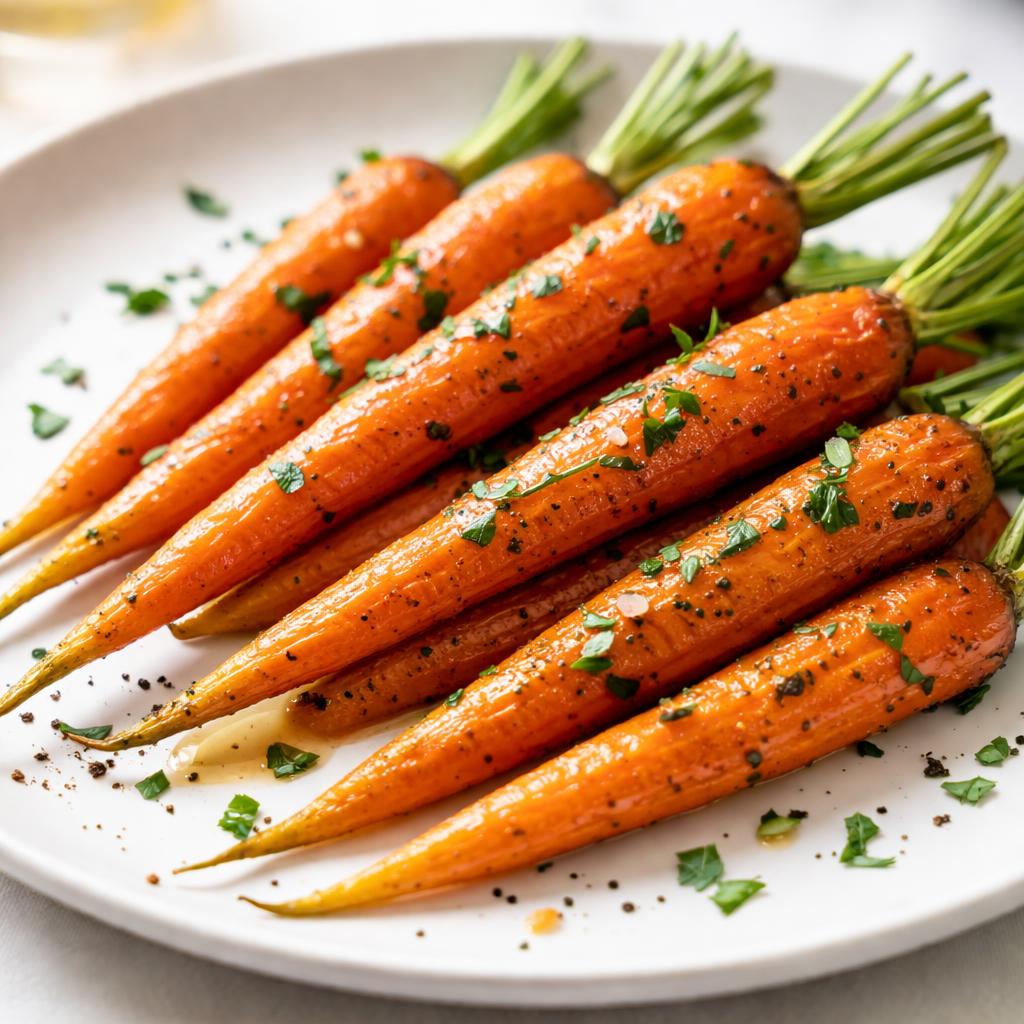
Mini Carrots
Deliciously crunchy and portable, mini carrots are a great snack and nutrient-packed addition to meals.
What is a Mini Carrots?
Mini carrots, also known as baby-cut carrots, are small, peeled carrots that are typically cut and shaped from larger carrots to create a convenient, ready-to-eat snack. They were popularized in the 1980s as a way to reduce food waste by using imperfect carrots. Today, they’re a staple in lunchboxes, party platters, and healthy snacking.
Mini carrots have a sweet, mild taste and a crisp texture, making them perfect for raw consumption. Their versatility extends to raw snacking, dipping in hummus or ranch, roasting as a side dish, or incorporating into stews, soups, and stir-fries. They're a true culinary multi-tasker!
Nutritionally, mini carrots are an excellent source of Vitamin A (as beta carotene), which promotes healthy vision. They are also low in calories and fat, making them ideal for weight management. Additionally, they provide dietary fiber, potassium, and some Vitamin C.
Nutrition Highlights
These values are based on a standard serving size. Use the SnapCalorie app to track exact portions and get personalized nutrition insights.

Smart Nutrition Tracking with SnapCalorie

Health Benefits of Mini Carrotses
Boosts Eye Health
Mini carrots are rich in beta carotene, which the body converts to Vitamin A, essential for maintaining healthy vision and reducing the risk of eye-related disorders like age-related macular degeneration.
- Rich in Vitamin A
- Rich in Beta Carotene
Supports Immune Function
Vitamin A in mini carrots helps boost the immune system by supporting mucous membranes and the body’s natural defenses against infections.
- Rich in Vitamin A
- Rich in Vitamin C
Aids Digestion
Mini carrots provide dietary fiber, which supports healthy digestion, promotes regular bowel movements, and nourishes gut bacteria.
- Rich in Fiber
- Rich in Water
Promotes Skin Health
Antioxidants in mini carrots, particularly beta carotene, play a role in maintaining healthy skin and protecting it against environmental damage.
- Rich in Beta Carotene
- Rich in Vitamin C
Diet Compatibility
Is Mini Carrots suitable for your diet? Here's what you need to know:
Compare Mini Carrots to Similar Foods
See how Mini Carrots stacks up against other popular foods:
🍽️ How to Enjoy Mini Carrotses
Breakfast
Add shredded mini carrots to muffins or oatmeal.
Tip: Carrots add natural sweetness and pair perfectly with cinnamon or nutmeg.
Lunch
Use mini carrots as a crunchy side or dipper for hummus alongside a sandwich or salad.
Tip: Pair with nutrient-dense dips like guacamole or Greek yogurt-based dressings.
Dinner
Roast mini carrots with olive oil, garlic, and thyme as a side dish.
Tip: Roasting enhances their natural sweetness; aim for light caramelization.
Snack
Enjoy raw mini carrots with peanut butter or ranch dressing.
Tip: Keep a small container in the fridge for grab-and-go snacking.
✅ The Bottom Line
Mini carrots are a convenient, nutrient-dense snack that are rich in Vitamin A, fiber, and antioxidants like beta carotene. With fewer than 40 calories per 100g, they’re a guilt-free option for anyone seeking to boost their eye health, immune system, and digestion.
Enjoy them raw for the ultimate crunch, roasted for deeper flavor, or shredded into baked goods. Their versatility and health benefits make mini carrots a must-have in your kitchen!
Data Sources & Scientific References
Our nutrition data comes from trusted, authoritative sources to ensure accuracy and reliability.
- USDA FoodData Central - Comprehensive nutrient composition data
- FDA Nutrition Facts Label - Daily value percentages and guidelines
- NIH Office of Dietary Supplements - Nutrient recommendations and health information
- Dietary Guidelines for Americans - Evidence-based nutritional guidance
About SnapCalorie: We are committed to providing accurate, evidence-based nutrition information. Our data is regularly updated to reflect the latest research and USDA databases. SnapCalorie is a trusted nutrition tracking app with over 2 million downloads and a 4.8/5 star rating.


