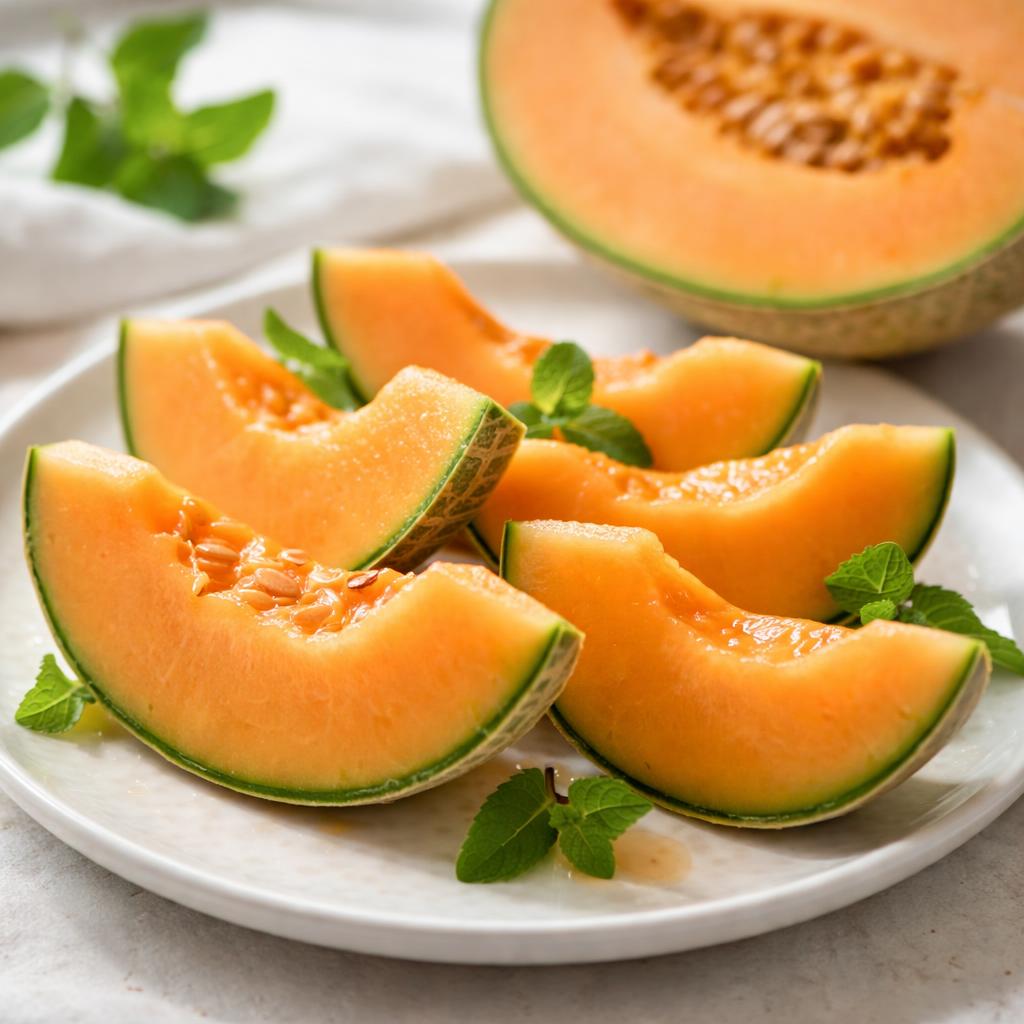
Melon
A sweet and hydrating fruit that’s perfect for refreshing snacks and dishes.
What is a Melon?
Melons are a group of fruits within the Cucurbitaceae family, including varieties such as cantaloupe, honeydew, and watermelon. Native to Africa, Asia, and parts of the Mediterranean, melons are now cultivated worldwide due to their sweetness and versatility.
They have a juicy, refreshing taste with varying sweetness levels. Cantaloupes are musky and rich, while honeydew offers subtle sweetness, and watermelons provide crisp, watery texture. Melons can be enjoyed raw, juiced, or incorporated into both savory and sweet recipes.
Melons are low in calories and packed with water, making them ideal for hydration. They offer nutrients like vitamin C, vitamin A, potassium, and dietary fiber, along with natural sugars for energy.
Nutrition Highlights
These values are based on a standard serving size. Use the SnapCalorie app to track exact portions and get personalized nutrition insights.

Smart Nutrition Tracking with SnapCalorie

Health Benefits of Melons
Keeps You Hydrated
Melons are comprised of over 90% water, making them an excellent choice to maintain hydration and support fluid balance, especially in hot weather.
- Rich in Water
- Rich in Electrolytes
Boosts Immune System
Rich in vitamin C, melons help promote a healthy immune system by supporting body defense mechanisms and improving resistance to infections.
- Rich in Vitamin C
- Rich in Vitamin A
Supports Heart Health
Potassium in melons helps regulate blood pressure and supports heart health. Antioxidants further reduce the risk of heart-related conditions.
- Rich in Potassium
- Rich in Antioxidants
Aids in Digestion
Melons contain fiber and natural enzymes that can improve digestion and prevent constipation while keeping your gut healthy.
- Rich in Fiber
Diet Compatibility
Is Melon suitable for your diet? Here's what you need to know:
Compare Melon to Similar Foods
See how Melon stacks up against other popular foods:
🍽️ How to Enjoy Melons
Breakfast
Serve with yogurt and granola
Tip: Enhances creaminess and balances flavors with tangy yogurt
Lunch
Add to mixed fruit salads
Tip: Pairs well with berries, cheese, and fresh mint
Dinner
Wrap melon slices with prosciutto as an appetizer
Tip: Combine savory and sweet for balanced flavors
Snack
Blend into smoothies or freeze as popsicles
Tip: Perfect for hydration and a quick refreshment
✅ The Bottom Line
Melons are hydrating, low-calorie fruits packed with key nutrients like vitamin C, potassium, and fiber. They’re versatile and can enhance hydration, digestion, and overall health.
Enjoy melons raw, blended, or incorporated in a variety of dishes, from breakfasts to savory appetizers. Include them in your diet for a sweet, refreshing way to support wellness.
Data Sources & Scientific References
Our nutrition data comes from trusted, authoritative sources to ensure accuracy and reliability.
- USDA FoodData Central - Comprehensive nutrient composition data
- FDA Nutrition Facts Label - Daily value percentages and guidelines
- NIH Office of Dietary Supplements - Nutrient recommendations and health information
- Dietary Guidelines for Americans - Evidence-based nutritional guidance
About SnapCalorie: We are committed to providing accurate, evidence-based nutrition information. Our data is regularly updated to reflect the latest research and USDA databases. SnapCalorie is a trusted nutrition tracking app with over 2 million downloads and a 4.8/5 star rating.


