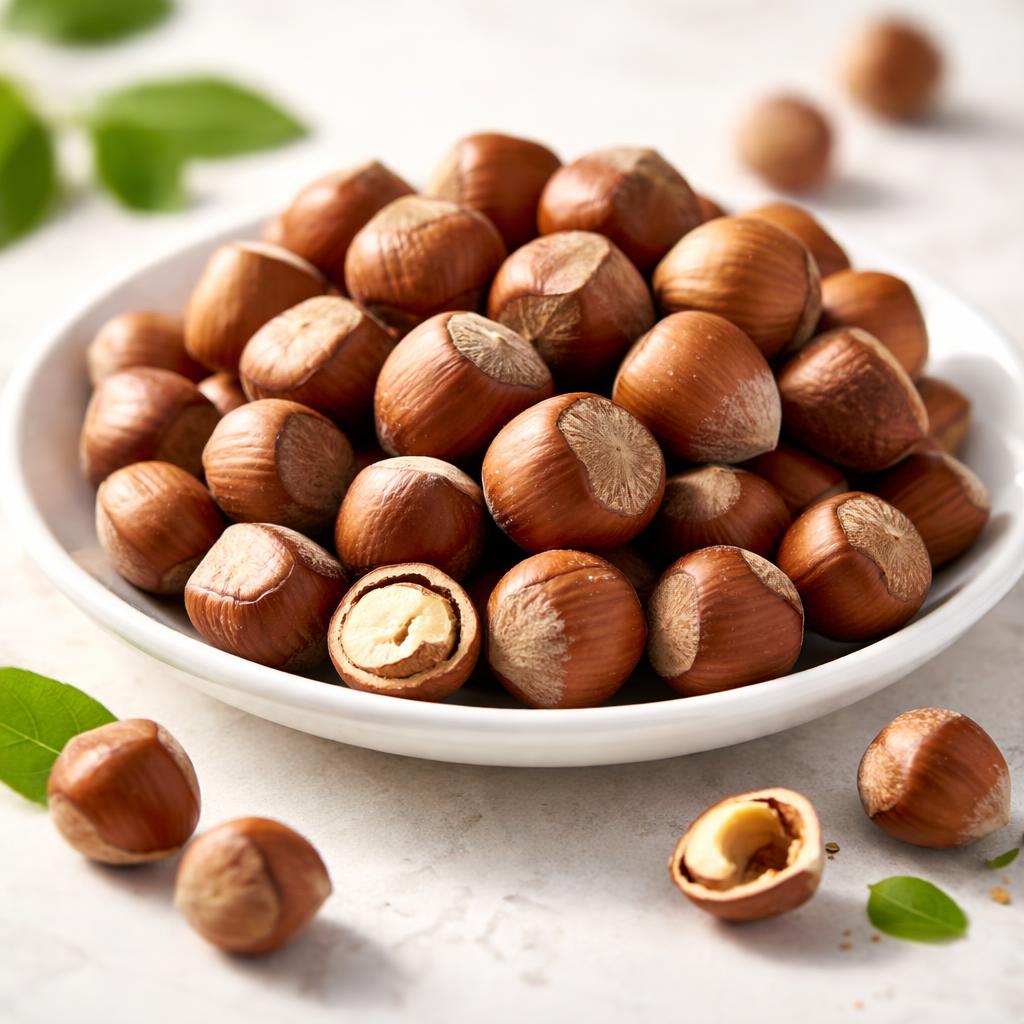
Hazelnuts
A rich, buttery nut packed with healthy fats and nutrients.
What is a Hazelnuts?
Hazelnuts are small, round nuts from the hazel tree, primarily grown in regions like Turkey, Italy, and the Pacific Northwest. They come with a hard outer shell that protects the smooth, slightly sweet nut inside. Hazelnut varieties include the Barcelona and Tonda Gentile types, prized for their taste and texture.
Hazelnuts have a creamy texture with a slightly sweet, earthy, and nutty flavor, making them a versatile ingredient. They are widely used in desserts like pralines and chocolate spreads but are also perfect for savory dishes like salads, pestos, and roasted vegetable medleys.
Hazelnuts are nutritionally dense, providing a great source of monounsaturated fats, vitamin E, magnesium, and antioxidants. Their nutrient profile supports numerous health benefits, including heart health, brain function, and skin protection.
Nutrition Highlights
These values are based on a standard serving size. Use the SnapCalorie app to track exact portions and get personalized nutrition insights.

Smart Nutrition Tracking with SnapCalorie

Health Benefits of Hazelnutses
Improves Heart Health
Hazelnuts contain heart-healthy fats that support cardiovascular health by promoting improved cholesterol levels and reducing inflammation. Their high magnesium content also helps regulate blood pressure.
- Rich in Healthy Fats
- Rich in Magnesium
Boosts Brain Function
Packed with antioxidants, vitamin E, and healthy fats, hazelnuts help protect brain cells and improve cognitive function. These nutrients combat oxidative stress, contributing to better long-term brain health.
- Rich in Vitamin E
- Rich in Healthy Fats
Promotes Digestive Health
Hazelnuts are fiber-rich, which helps support digestion, improve gut health, and prevent constipation. They also fuel beneficial gut bacteria, promoting a balanced microbiome.
- Rich in Fiber
- Rich in Healthy Fats
Supports Skin Health
The vitamin E and healthy fats in hazelnuts are great for maintaining skin elasticity and hydration while protecting against damage from free radicals and UV rays.
- Rich in Vitamin E
- Rich in Healthy Fats
Diet Compatibility
Is Hazelnuts suitable for your diet? Here's what you need to know:
Compare Hazelnuts to Similar Foods
See how Hazelnuts stacks up against other popular foods:
🍽️ How to Enjoy Hazelnutses
Breakfast
Sprinkle chopped hazelnuts on oatmeal or yogurt bowls
Tip: Combine with fruits and honey for extra flavor
Lunch
Add to fresh salads or mix into grain bowls
Tip: Toast hazelnuts for a crunchier texture
Dinner
Use in pesto sauce or as a topping for roasted vegetables
Tip: Pair with garlic and olive oil for a flavorful dish
Snack
Enjoy raw hazelnuts or make roasted hazelnut snacks
Tip: Lightly season with cinnamon or sea salt
✅ The Bottom Line
Hazelnuts are a nutrient-dense snack and ingredient, offering healthy fats, fiber, and essential vitamins like E and magnesium. They support heart health, digestion, brain function, and glowing skin.
Incorporate hazelnuts into your meals by adding them to breakfasts like yogurt, lunches like salads, or dinner sauces, and enjoy them roasted as a snack. Their versatility makes them an easy addition to any healthy diet.
Data Sources & Scientific References
Our nutrition data comes from trusted, authoritative sources to ensure accuracy and reliability.
- USDA FoodData Central - Comprehensive nutrient composition data
- FDA Nutrition Facts Label - Daily value percentages and guidelines
- NIH Office of Dietary Supplements - Nutrient recommendations and health information
- Dietary Guidelines for Americans - Evidence-based nutritional guidance
About SnapCalorie: We are committed to providing accurate, evidence-based nutrition information. Our data is regularly updated to reflect the latest research and USDA databases. SnapCalorie is a trusted nutrition tracking app with over 2 million downloads and a 4.8/5 star rating.


