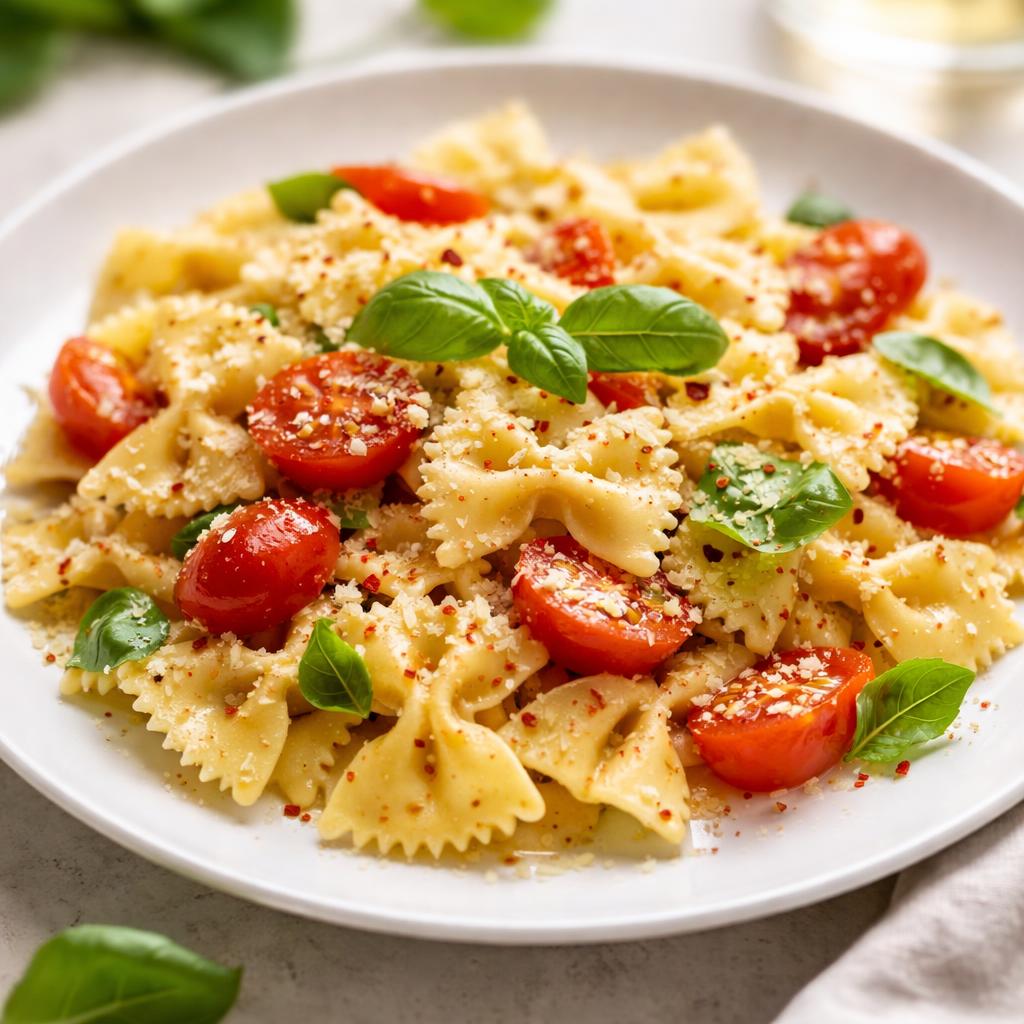
Farfalle
A fun and versatile bow-tie-shaped pasta made from wheat flour.
What is a Farfalle?
Farfalle, commonly known as bow-tie pasta, originated in Italy and dates back to the 16th century in the Lombardy region. This pasta is made from durum wheat semolina mixed with water, and it comes in small, butterfly-shaped pieces with unique pinched centers. It is often marketed plain but can also be found in colorful varieties infused with spinach, tomato, or squid ink.
Farfalle has a neutral, slightly nutty wheat flavor and a firm yet tender texture when cooked al dente. Its shape makes it ideal for holding lighter sauces like creamy or olive oil-based dressings, and it pairs well with vegetables, proteins, and herbs. The fun shape is also appealing for kids and can be used in cold pasta salads or warm dishes alike.
From a nutritional perspective, farfalle is primarily a source of carbohydrates, making it an excellent energy-providing food. While low in fat and protein, enriched varieties may provide B-vitamins like folate and iron. It is particularly suited for athletes or anyone needing quick energy replenishment.
Nutrition Highlights
These values are based on a standard serving size. Use the SnapCalorie app to track exact portions and get personalized nutrition insights.

Smart Nutrition Tracking with SnapCalorie

Health Benefits of Farfalles
Provides Sustained Energy
Farfalle is rich in complex carbohydrates that release energy steadily, making it ideal for endurance activities or long-lasting meals.
- Rich in Carbohydrates
- Rich in Fiber
Supports Muscle Development
The protein content in farfalle, especially enriched versions, contributes to muscle repair and growth, particularly when paired with protein-rich toppings.
- Rich in Protein
- Rich in Iron
Improves Digestive Health
The fiber in farfalle promotes healthy digestion and supports regular bowel movements, helping to maintain a healthy gut.
- Rich in Fiber
- Rich in B-vitamins
Diet Compatibility
Is Farfalle suitable for your diet? Here's what you need to know:
Compare Farfalle to Similar Foods
See how Farfalle stacks up against other popular foods:
🍽️ How to Enjoy Farfalles
Breakfast
Prepare a cold pasta salad with farfalle, boiled eggs, and fresh vegetables.
Tip: Add lemon juice and olive oil for a light dressing.
Lunch
Use farfalle as the base for a hearty chicken Alfredo pasta dish.
Tip: Cook the pasta al dente to maintain texture.
Dinner
Create a warm roasted vegetable farfalle dish with bell peppers and zucchini.
Tip: Top with fresh basil and Parmesan for added flavor.
Snack
Make a quick creamy farfalle with Greek yogurt and garlic.
Tip: Serve in smaller portions for a lighter snack option.
✅ The Bottom Line
Farfalle is a nutritious and versatile pasta option that provides sustained energy and pairs well with a variety of sauces, proteins, and vegetables. Its playful shape makes it particularly appealing for a variety of culinary applications and family-friendly meals.
While farfalle is high in carbohydrates and less suitable for low-carb or gluten-free diets, it is excellent for those seeking a filling and adaptable food. Enjoy it in cold pasta salads, creamy dishes, or stir-fries for a well-rounded meal experience.
Data Sources & Scientific References
Our nutrition data comes from trusted, authoritative sources to ensure accuracy and reliability.
- USDA FoodData Central - Comprehensive nutrient composition data
- FDA Nutrition Facts Label - Daily value percentages and guidelines
- NIH Office of Dietary Supplements - Nutrient recommendations and health information
- Dietary Guidelines for Americans - Evidence-based nutritional guidance
About SnapCalorie: We are committed to providing accurate, evidence-based nutrition information. Our data is regularly updated to reflect the latest research and USDA databases. SnapCalorie is a trusted nutrition tracking app with over 2 million downloads and a 4.8/5 star rating.


