Dough
The foundation of many culinary staples, from bread to pizza.
What is a Dough?
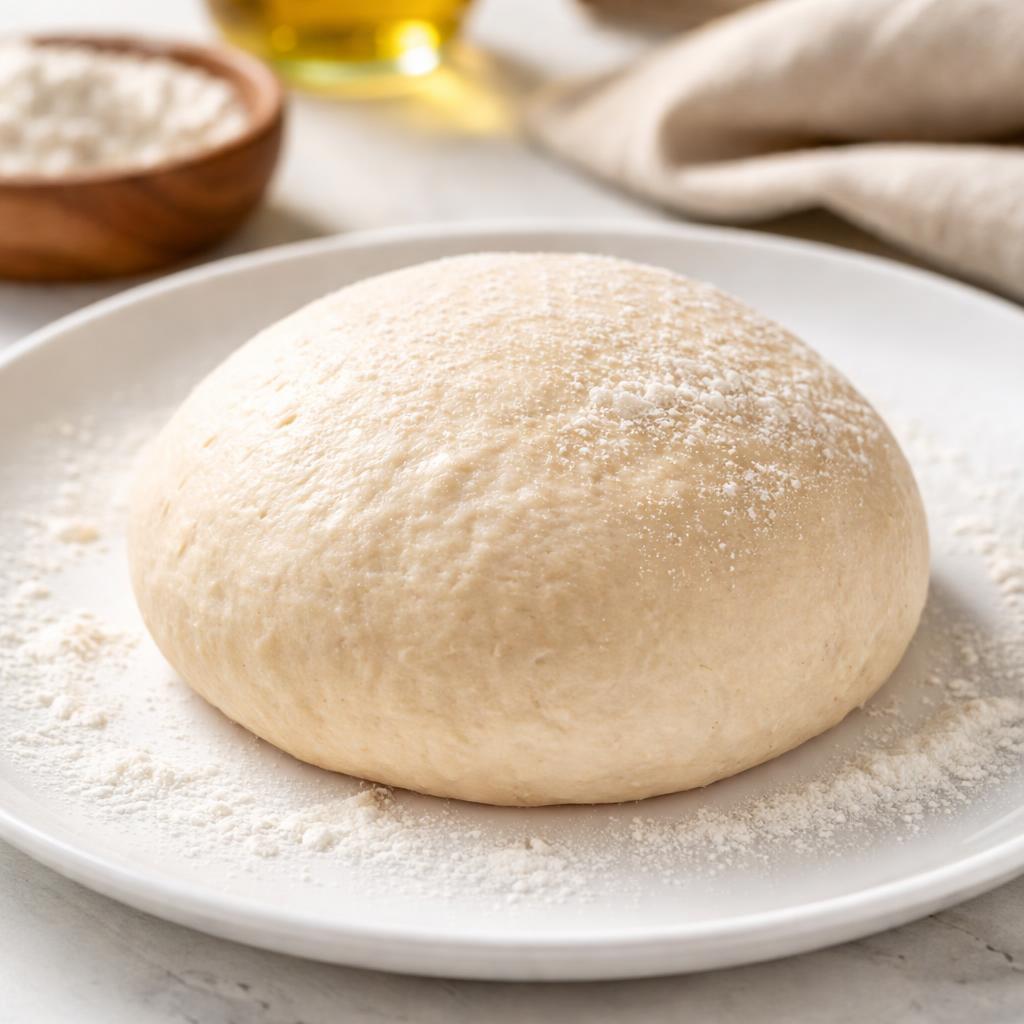
Dough is a mixture of flour, water, and often additional ingredients like yeast, salt, and oil, that is kneaded and shaped for use in baking or cooking. It forms the base for a variety of foods, including bread, pizza crusts, pastries, and pasta. Dough has ancient roots, with origins dating back thousands of years as a staple food in many cultures.
Dough can vary widely depending on its ingredients and purpose—yeast-based doughs for bread, unleavened doughs for crackers or flatbreads, and even enriched doughs for sweet treats like croissants or brioche. Soft and stretchy in texture, it's both functional and forgiving, lending itself to myriad culinary uses. Taste ranges from neutral (like in pizza or pasta dough) to slightly sweet or tangy (like sourdough).
Nutritionally, dough is carbohydrate-rich, making it an effective energy source when eaten in moderation. Its nutrient profile mainly depends on its ingredients—whole-grain dough offers more fiber and nutrients like iron and B vitamins, while refined versions tend to be less nutrient-dense but more calorie-rich.
Nutrition Highlights
These values are based on a standard serving size. Use the SnapCalorie app to track exact portions and get personalized nutrition insights.

Smart Nutrition Tracking with SnapCalorie

Health Benefits of Doughs
Provides Quick Energy
Dough, particularly white flour-based types, is a great source of carbohydrates, which are the body's primary energy source. Whole-grain doughs provide a slower, more sustained energy release.
- Rich in Carbohydrates
- Rich in Iron
Supports Brain Function
Carbohydrates in dough help fuel the brain, which requires consistent glucose intake to perform well. Iron from fortified flours can also aid in oxygen transport for cognitive health.
- Rich in Carbohydrates
- Rich in Iron
Versatile Base for Balanced Meals
Dough serves as a versatile base for adding nutrient-dense toppings, like vegetables, lean proteins, and healthy fats, enhancing its nutritional profile significantly.
- Rich in Carbohydrates
- Rich in Fiber (if whole-grain)
- Rich in Protein
Diet Compatibility
Is Dough suitable for your diet? Here's what you need to know:
Compare Dough to Similar Foods
See how Dough stacks up against other popular foods:
🍽️ How to Enjoy Doughs
Breakfast
Use as a base for breakfast pizzas with eggs and veggies
Tip: Precook the crust slightly before adding toppings for a perfectly crisp base
Lunch
Transform dough into flatbreads or wraps for sandwiches
Tip: Layer with lean proteins like chicken or tofu and fresh greens for balance
Dinner
Roll into homemade pizza topped with tomato sauce and fresh mozzarella
Tip: Brush the edges with olive oil and herbs for added flavor
Snack
Shape into breadsticks or pretzels for dipping
Tip: Sprinkle with sesame seeds or coarse salt before baking for texture
✅ The Bottom Line
Dough is a cornerstone ingredient in cuisines around the world, offering a canvas for countless culinary creations. It's primarily a source of carbohydrates, delivering quick energy with potential to include fiber and nutrients when made with whole grains.
Incorporate dough into your meals thoughtfully. Pair with protein, vegetables, or healthy fats to build balanced dishes like pizza, sandwiches, or flatbreads. Opt for whole-grain or enriched varieties when possible to maximize its nutritional value.
Data Sources & Scientific References
Our nutrition data comes from trusted, authoritative sources to ensure accuracy and reliability.
- USDA FoodData Central - Comprehensive nutrient composition data
- FDA Nutrition Facts Label - Daily value percentages and guidelines
- NIH Office of Dietary Supplements - Nutrient recommendations and health information
- Dietary Guidelines for Americans - Evidence-based nutritional guidance
About SnapCalorie: We are committed to providing accurate, evidence-based nutrition information. Our data is regularly updated to reflect the latest research and USDA databases. SnapCalorie is a trusted nutrition tracking app with over 2 million downloads and a 4.8/5 star rating.


