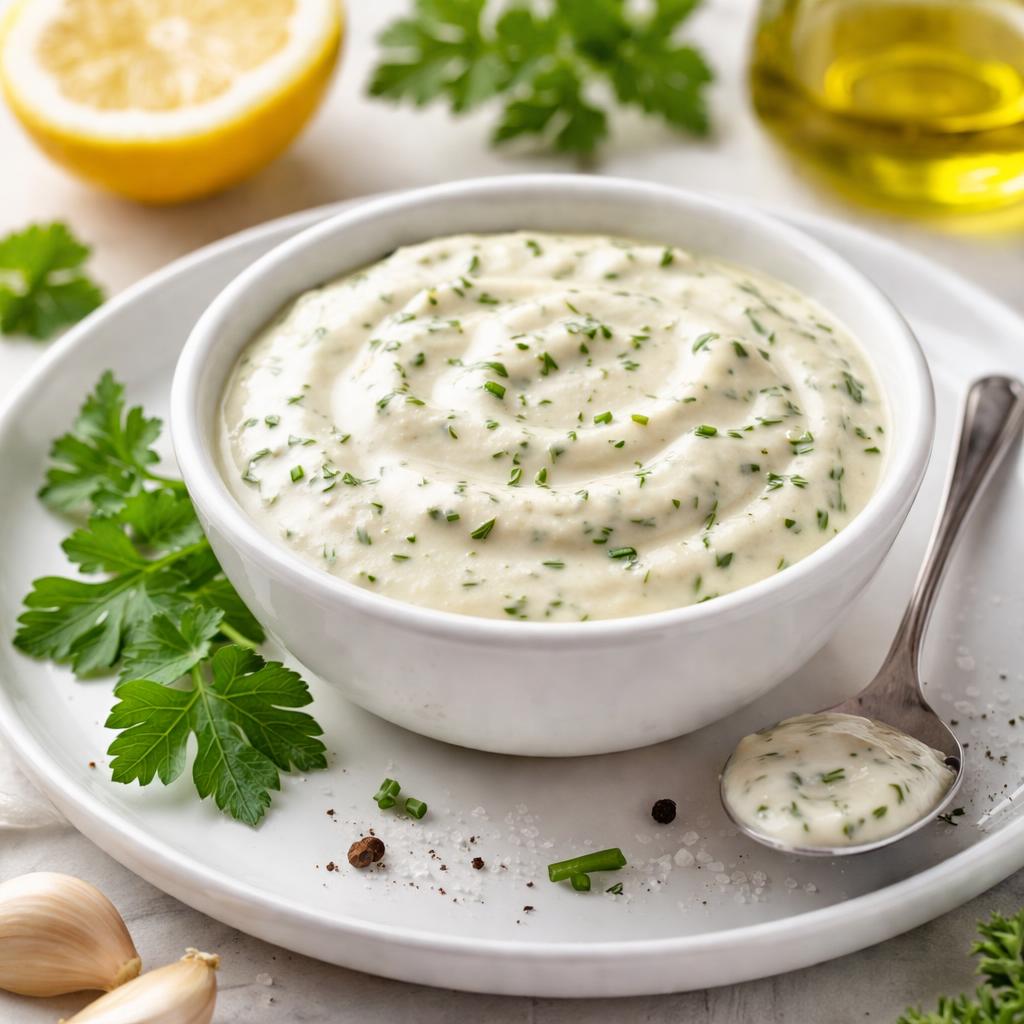
Creamy Sauce
A rich and versatile condiment that elevates a variety of dishes.
What is Creamy Sauce?
Creamy sauces are a type of condiment often made with a combination of fats (such as butter, cream, or oils), emulsifiers, and flavorings like herbs, spices, or garlic. Originating from diverse culinary cultures, creamy sauces include béchamel (France), alfredo (Italy), and ranch dressing (USA). Variations can be dairy-based or plant-based.
Creamy sauces typically have a thick, velvety texture and a rich, savory profile. Depending on the recipe, they can range from mildly tangy to deeply umami. They are used in a variety of culinary applications, from pasta dishes and casseroles to as a dip or topping for vegetables and meats.
The nutritional profile of creamy sauces varies widely depending on the recipe. Traditional versions may be high in fat and calories due to dairy and oils, while plant-based or lighter alternatives may incorporate nuts, seeds, or low-fat yogurt to boost nutrient density.
Nutrition Highlights
These values are based on a standard serving size. Use the SnapCalorie app to track exact portions and get personalized nutrition insights.

Smart Nutrition Tracking with SnapCalorie

Health Benefits of Creamy Sauce
Boosts Satisfaction in Meals
Creamy sauces add richness and complexity to dishes, promoting feelings of satiety. This can help prevent overeating when paired with nutrient-dense ingredients.
- Rich in Fat
- Rich in Protein
Supports Calcium Intake
Dairy-based sauces like béchamel and alfredo can be a good source of calcium, essential for maintaining healthy bones and teeth.
- Rich in Calcium
Enhances Flavor and Appeal
A flavorful sauce encourages the consumption of healthy dishes like vegetables, as the added richness complements their natural flavors.
- Rich in Fat
Can Provide Healthy Fats
When made with plant-based ingredients like cashews or avocado oil, creamy sauces can supply unsaturated fats beneficial for heart health.
- Rich in Unsaturated Fats
- Rich in Vitamin E
Diet Compatibility
Is Creamy Sauce suitable for your diet? Here's what you need to know:
Compare Creamy Sauce to Similar Foods
See how Creamy Sauce stacks up against other popular foods:
🍽️ How to Enjoy Creamy Sauce
Breakfast
Drizzle over eggs or avocado toast
Tip: Pair with light herbs like chives
Lunch
Use as a dressing for salads or grain bowls
Tip: Thin with lemon juice for better spreadability
Dinner
Serve atop pasta, roasted vegetables, or baked chicken
Tip: Heat gently to avoid separation if using dairy-based sauces
Snack
Use as a dip for vegetable sticks or crackers
Tip: Blend in fresh garlic or herbs for an extra kick
✅ The Bottom Line
Creamy sauces are a versatile addition to meals, enhancing flavor and richness. Depending on the ingredients, they can contribute to bone health, satiety, and heart health.
Enjoy creamy sauces as part of a balanced diet, opting for healthier versions made with plant-based or nutrient-dense ingredients. Use them sparingly to manage calorie and fat intake.
Data Sources & Scientific References
Our nutrition data comes from trusted, authoritative sources to ensure accuracy and reliability.
- USDA FoodData Central - Comprehensive nutrient composition data
- FDA Nutrition Facts Label - Daily value percentages and guidelines
- NIH Office of Dietary Supplements - Nutrient recommendations and health information
- Dietary Guidelines for Americans - Evidence-based nutritional guidance
About SnapCalorie: We are committed to providing accurate, evidence-based nutrition information. Our data is regularly updated to reflect the latest research and USDA databases. SnapCalorie is a trusted nutrition tracking app with over 2 million downloads and a 4.8/5 star rating.


