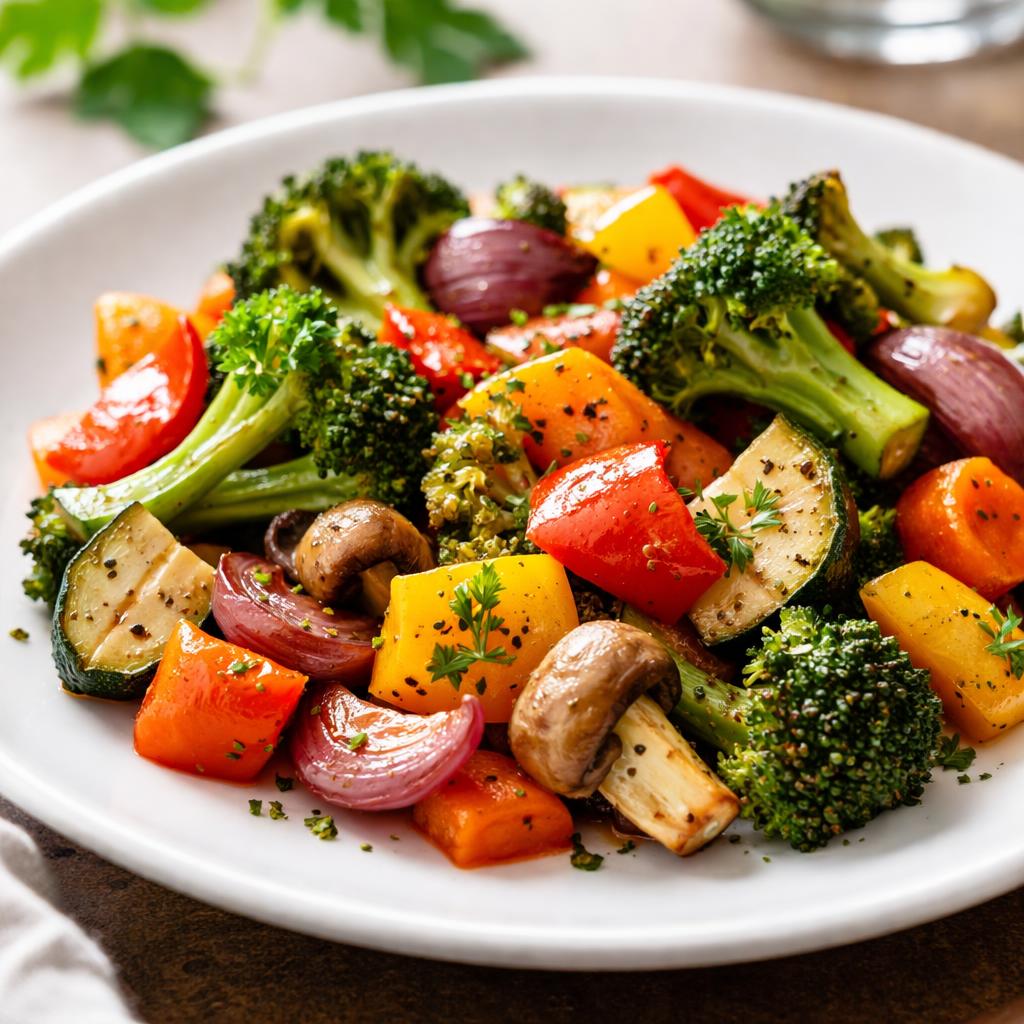
Cooked Vegetables
Nutrient-packed, versatile cooked vegetables that fit any meal.
What is a Cooked Vegetables?
Cooked vegetables refer to any type of vegetable that is prepared using heat through methods such as steaming, roasting, sautéing, or boiling. Popular varieties include carrots, broccoli, spinach, bell peppers, and zucchini—each originating from diverse regions around the world.
In terms of taste and texture, cooked vegetables vary widely. Steaming retains their natural sweetness and crispness, roasting enhances complex flavors with caramelization, and sautéing delivers tender and richly coated bites. They are widely used as side dishes, soups, or in main course recipes.
Nutritionally, cooked vegetables are robust sources of vitamins, minerals, fiber, and antioxidants. The cooking process can unlock certain nutrients like lycopene in tomatoes while reducing others, such as Vitamin C, depending on the method used. They remain an essential component of a well-rounded diet.
Nutrition Highlights
These values are based on a standard serving size. Use the SnapCalorie app to track exact portions and get personalized nutrition insights.

Smart Nutrition Tracking with SnapCalorie

Health Benefits of Cooked Vegetableses
Boosts Immunity
Cooked vegetables such as carrots and broccoli are rich in Vitamin A and Vitamin C, which support immune system function and help protect against infections.
- Rich in Vitamin A
- Rich in Vitamin C
Supports Healthy Digestion
High fiber content in cooked vegetables, like spinach and zucchini, aids gut health by promoting regular bowel movements and reducing bloating.
- Rich in Fiber
Improves Heart Health
Nutrients like potassium and antioxidants in vegetables help maintain healthy blood pressure and reduce cholesterol levels, contributing to overall heart health.
- Rich in Potassium
- Rich in Antioxidants
Promotes Eye Health
Beta-carotene, found abundantly in cooked carrots, converts to Vitamin A in the body, which is vital for maintaining good vision and preventing eye-related disorders.
- Rich in Beta-carotene
- Rich in Vitamin A
Diet Compatibility
Is Cooked Vegetables suitable for your diet? Here's what you need to know:
Compare Cooked Vegetables to Similar Foods
See how Cooked Vegetables stacks up against other popular foods:
Cooked Vegetables vs Raw Vegetables
Similar base ingredients but uncooked for higher Vitamin C retention
Cooked Vegetables vs Roasted Root Vegetables
Comparable in texture, flavor depth, and nutrient profile
Cooked Vegetables vs Stir-Fried Vegetables
Similar cooking method with slightly richer flavors
🍽️ How to Enjoy Cooked Vegetableses
Breakfast
Add cooked spinach or bell peppers to scrambled eggs
Tip: Season lightly with herbs for an energizing start
Lunch
Include steamed broccoli and carrots in a grain bowl
Tip: Pair with whole grains and a light dressing for balance
Dinner
Serve roasted asparagus or zucchini as a side to proteins
Tip: Drizzle olive oil and sprinkle Parmesan before baking
Snack
Bake sweet potato fries or vegetable chips
Tip: Add spices like paprika or garlic powder for extra flavor
✅ The Bottom Line
Cooked vegetables are an essential component of a balanced diet, offering a powerhouse of vitamins, minerals, antioxidants, and fiber while being low in calories. Depending on the cooking method, they can deliver diverse flavors and retain key nutrients.
Make cooked vegetables a staple in your meals by experimenting with steaming, roasting, or sautéing. Incorporate them as part of breakfast omelets, dinner sides, or even creative snacks like vegetable chips for wholesome nutrition.
Data Sources & Scientific References
Our nutrition data comes from trusted, authoritative sources to ensure accuracy and reliability.
- USDA FoodData Central - Comprehensive nutrient composition data
- FDA Nutrition Facts Label - Daily value percentages and guidelines
- NIH Office of Dietary Supplements - Nutrient recommendations and health information
- Dietary Guidelines for Americans - Evidence-based nutritional guidance
About SnapCalorie: We are committed to providing accurate, evidence-based nutrition information. Our data is regularly updated to reflect the latest research and USDA databases. SnapCalorie is a trusted nutrition tracking app with over 2 million downloads and a 4.8/5 star rating.


