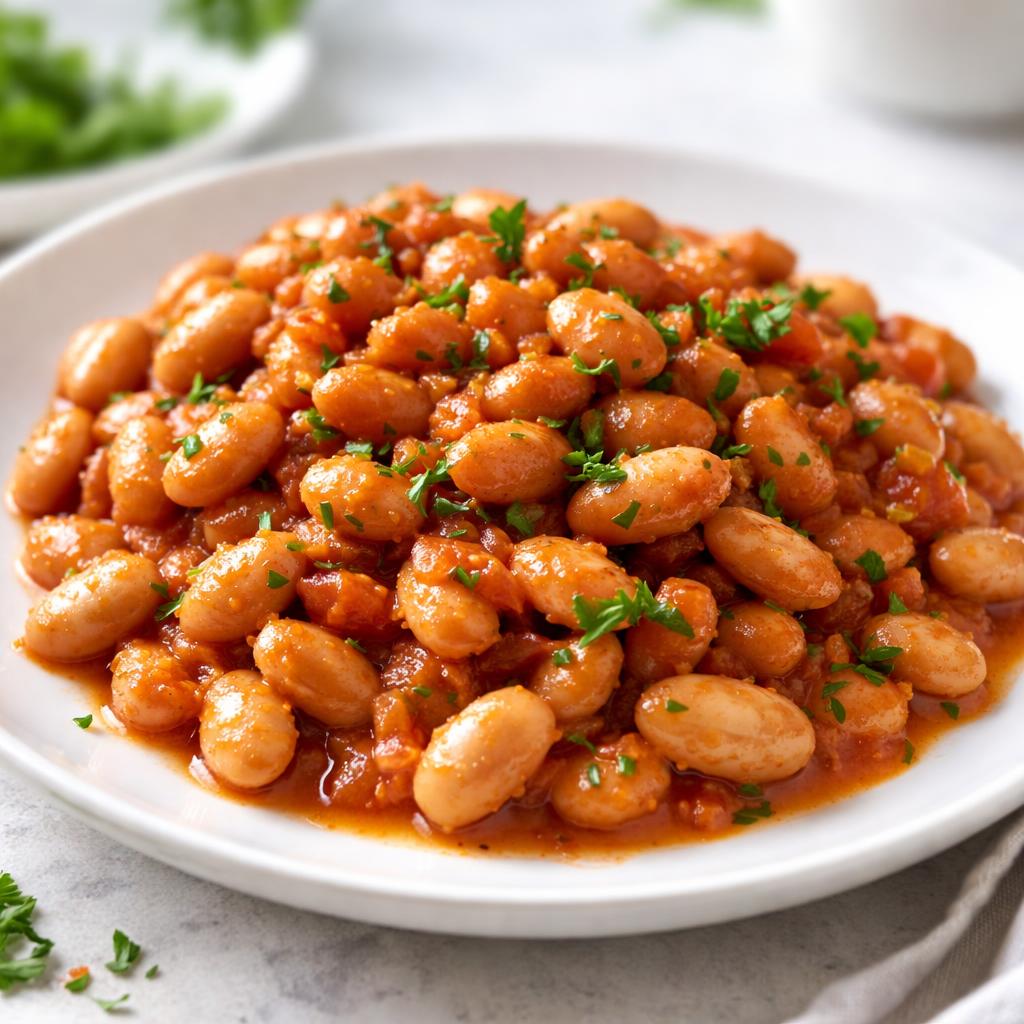
Cooked Beans
A protein-packed and fiber-rich plant food with endless culinary possibilities
What is a Cooked Beans?
Cooked beans are a staple food made from various dried legumes, such as black beans, chickpeas, lentils, and kidney beans. Originating from different regions worldwide—including Latin America, the Mediterranean, and parts of Asia—beans have been cultivated for thousands of years as an affordable and nutritious source of energy. Available in canned, dried, or fresh forms, they come in numerous varieties with diverse flavors and properties.
Beans offer a hearty texture and mild flavor that can adapt to versatile dishes. Depending on the variety, their texture can range from creamy and smooth to firm and nutty, making them ideal for soups, salads, stews, dips, and spreads like hummus. They also absorb spices and seasonings well, enhancing flavors in diverse cuisines.
Beans are celebrated for their outstanding nutritional profile, containing high-quality plant protein, dietary fiber, and numerous vitamins and minerals like folate, iron, magnesium, and potassium. They are also low in fat and cholesterol-free, fitting well in heart-healthy and plant-based diets.
Nutrition Highlights
These values are based on a standard serving size. Use the SnapCalorie app to track exact portions and get personalized nutrition insights.

Smart Nutrition Tracking with SnapCalorie

Health Benefits of Cooked Beanses
Supports Muscle and Tissue Health
Beans are rich in plant-based protein, making them ideal for muscle repair and tissue maintenance. Protein is a key building block for cells, helping support overall bodily functions.
- Rich in Protein
- Rich in Folate
Improves Digestive Health
High fiber content in beans promotes healthy digestion, helps prevent constipation, and supports gut health by feeding beneficial gut bacteria.
- Rich in Fiber
Promotes Heart Health
Beans contain potassium and low sodium levels, which help maintain healthy blood pressure. Their fiber also reduces cholesterol, lowering the risk of heart disease.
- Rich in Potassium
- Rich in Fiber
Boosts Energy and Red Blood Cell Formation
Folate and iron in beans contribute to the production of red blood cells and improve oxygen transport in the body, combating fatigue and enhancing energy levels.
- Rich in Iron
- Rich in Folate
Diet Compatibility
Is Cooked Beans suitable for your diet? Here's what you need to know:
Compare Cooked Beans to Similar Foods
See how Cooked Beans stacks up against other popular foods:
🍽️ How to Enjoy Cooked Beanses
Breakfast
Mash into refried beans for a hearty breakfast wrap
Tip: Pair with eggs or avocado for added protein and healthy fats
Lunch
Add to salads for a filling and nutrient-dense boost
Tip: Season with herbs or vinaigrette for extra flavor
Dinner
Include in soups, stews, or chili for a comforting dish
Tip: Simmer with spices like cumin or paprika to enhance depth
Snack
Blend into hummus or bean dips
Tip: Serve with fresh vegetables or whole-grain crackers
✅ The Bottom Line
Beans are an exceptional source of plant-based protein, fiber, and essential micronutrients like folate and iron, making them a powerhouse food for supporting digestion, heart health, and energy levels. They are versatile, nutrient-dense, and affordable, making them a staple in many diets worldwide.
Include beans in your meals by adding them to salads, soups, wraps, or snacks. Whether canned or dried, they’re easy to prepare and readily absorb flavors, enhancing diverse cuisines while offering substantial nutrition.
Data Sources & Scientific References
Our nutrition data comes from trusted, authoritative sources to ensure accuracy and reliability.
- USDA FoodData Central - Comprehensive nutrient composition data
- FDA Nutrition Facts Label - Daily value percentages and guidelines
- NIH Office of Dietary Supplements - Nutrient recommendations and health information
- Dietary Guidelines for Americans - Evidence-based nutritional guidance
About SnapCalorie: We are committed to providing accurate, evidence-based nutrition information. Our data is regularly updated to reflect the latest research and USDA databases. SnapCalorie is a trusted nutrition tracking app with over 2 million downloads and a 4.8/5 star rating.


