Chinese Food
A diverse cuisine rich in flavors and nutritional variety
What is a Chinese Food?
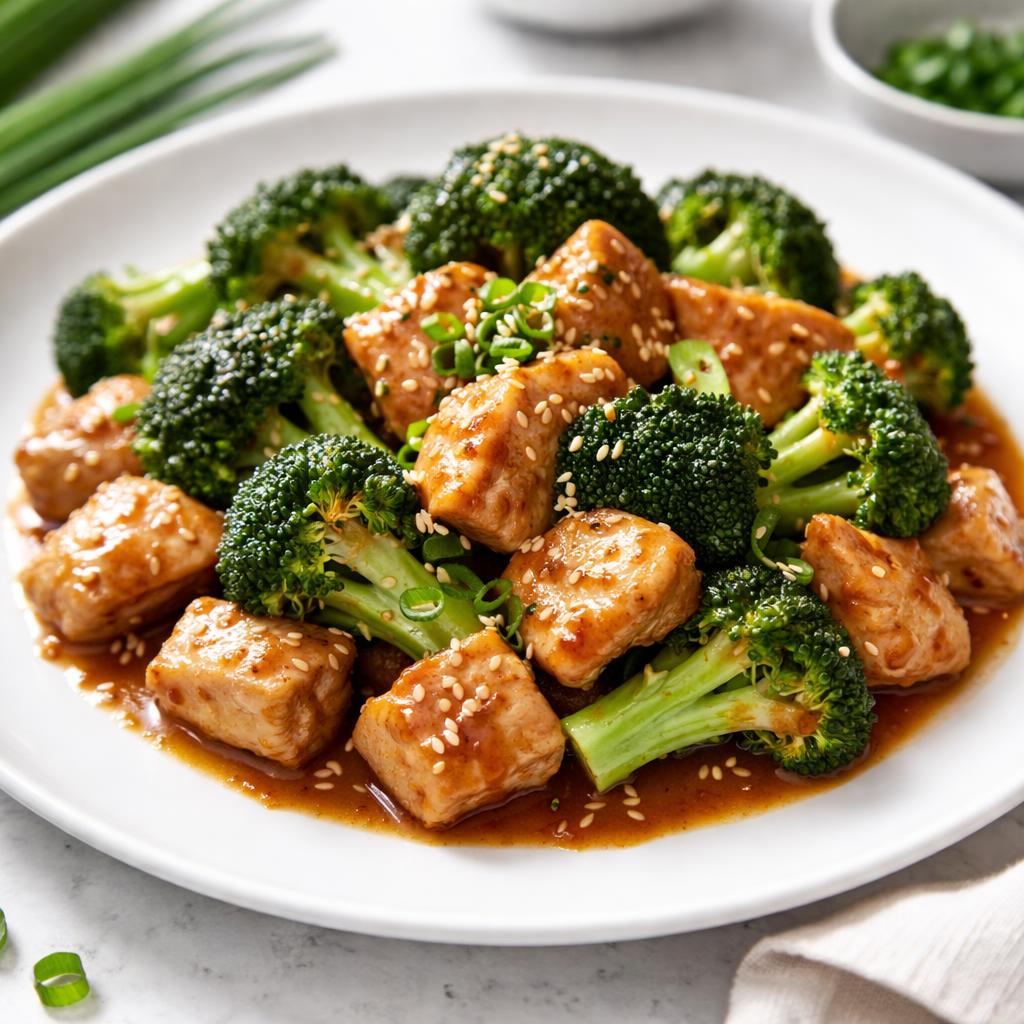
Chinese food encompasses a wide variety of dishes influenced by regional traditions across China. Common styles include Cantonese, Sichuan, Hunan, and Northern cuisine, each emphasizing different flavors and ingredients such as rice, noodles, vegetables, meats, and seafood.
The taste and texture of Chinese cuisine range from bold and spicy (e.g., Sichuan dishes) to delicate and savory (e.g., Cantonese dim sum). Culinary techniques like stir-frying, steaming, and braising are staples, delivering depth and variety to the meals.
From a nutritional profile standpoint, Chinese dishes often integrate nutrient-rich ingredients like leafy greens, mushrooms, tofu, and whole grains. However, some dishes can be high in sodium, oils, or refined carbohydrates, depending on preparation methods.
Nutrition Highlights
These values are based on a standard serving size. Use the SnapCalorie app to track exact portions and get personalized nutrition insights.

Smart Nutrition Tracking with SnapCalorie

Health Benefits of Chinese Foods
Boosts Heart Health
Chinese cuisine often includes heart-healthy ingredients like garlic, ginger, and green vegetables, which support cardiovascular health through antioxidants and anti-inflammatory properties.
- Rich in Fiber
- Rich in Potassium
- Rich in Antioxidants
Supports Energy Levels
Carbohydrate staples like rice noodles and whole grains provide quick and sustained energy. Protein-rich options like tofu, chicken, and seafood maintain energy balance.
- Rich in Carbohydrates
- Rich in Protein
Improves Digestion
Ingredients like ginger, garlic, and fermented products (e.g., soy sauce) promote gut health and aid in digestion, a key focus in traditional Chinese medicine.
- Rich in Fiber
- Rich in Gingerol
- Rich in Probiotics
Enhances Immune Function
Chinese dishes use several immune-supporting ingredients such as mushrooms, scallions, and broccoli, all of which are rich in vitamins and minerals.
- Rich in Vitamin C
- Rich in Zinc
- Rich in B Vitamins
Diet Compatibility
Is Chinese Food suitable for your diet? Here's what you need to know:
Compare Chinese Food to Similar Foods
See how Chinese Food stacks up against other popular foods:
🍽️ How to Enjoy Chinese Foods
Breakfast
Congee (rice porridge) with vegetables and mushrooms
Tip: Add scallions and sesame oil for flavor
Lunch
Vegetable stir-fry served with steamed rice
Tip: Focus on colorful vegetables for variety and freshness
Dinner
Kung Pao chicken or tofu with broccoli
Tip: Use reduced-sodium soy sauce for a healthier option
Snack
Spring rolls or dumplings filled with vegetables
Tip: Bake or steam instead of frying for fewer calories
✅ The Bottom Line
Chinese food combines bold flavors, variety, and nutritional benefits, offering options to suit a wide range of dietary preferences. Packed with vegetables, lean proteins, and spices, it can be a healthy addition to your diet when made mindfully.
Opt for home-cooked recipes or ask for modifications at restaurants to manage portions, sodium, and oil content. Incorporate vegetable-heavy dishes, lean protein sources, and whole grains to maximize health benefits.
Data Sources & Scientific References
Our nutrition data comes from trusted, authoritative sources to ensure accuracy and reliability.
- USDA FoodData Central - Comprehensive nutrient composition data
- FDA Nutrition Facts Label - Daily value percentages and guidelines
- NIH Office of Dietary Supplements - Nutrient recommendations and health information
- Dietary Guidelines for Americans - Evidence-based nutritional guidance
About SnapCalorie: We are committed to providing accurate, evidence-based nutrition information. Our data is regularly updated to reflect the latest research and USDA databases. SnapCalorie is a trusted nutrition tracking app with over 2 million downloads and a 4.8/5 star rating.


