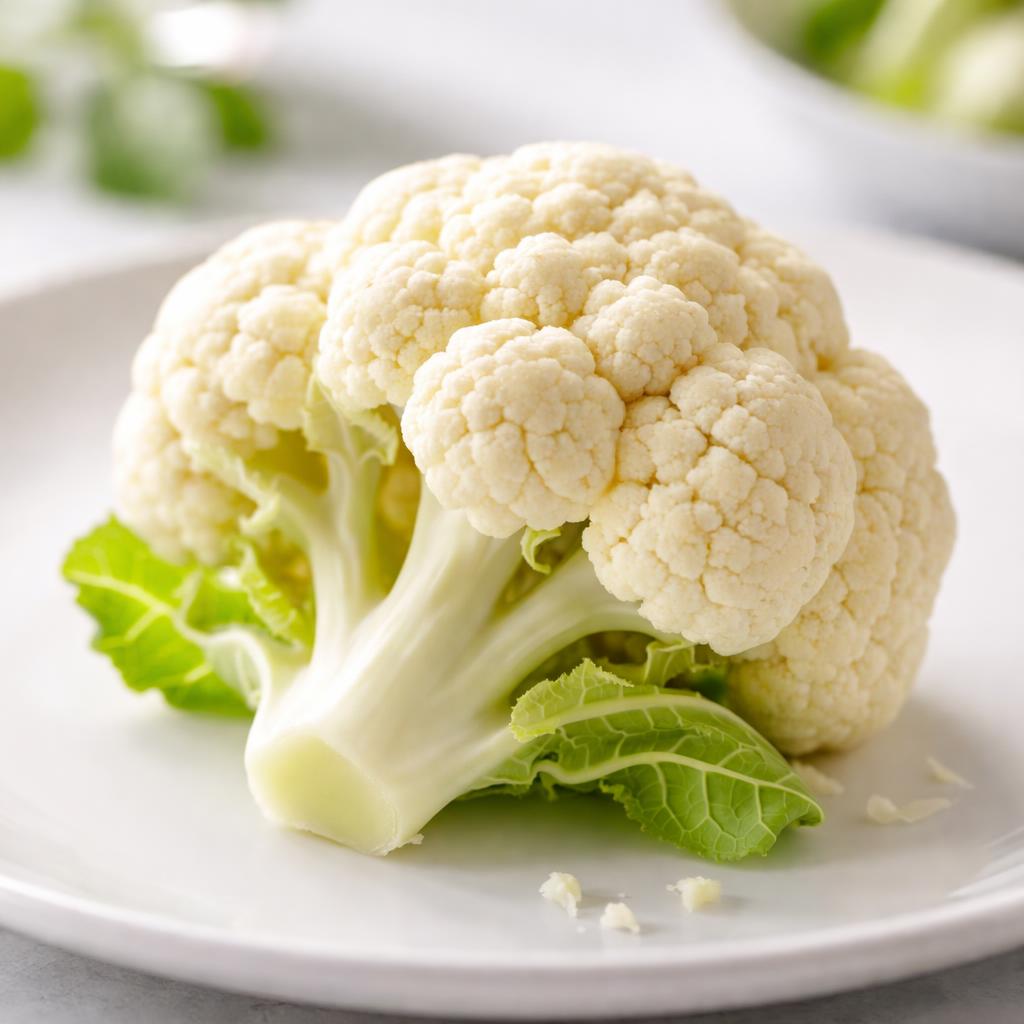
Cauliflower Floret
A nutrient-packed cruciferous vegetable that's low in calories and highly versatile.
What is a Cauliflower Floret?
Cauliflower is a cruciferous vegetable closely related to broccoli, kale, and Brussels sprouts. Native to the Mediterranean region, it comes in several varieties, including white, green, purple, and orange hues. The white variety is the most common across markets worldwide.
With its mild, slightly nutty flavor and firm yet tender texture, cauliflower can serve as a versatile ingredient in a wide array of recipes. Its neutral taste allows it to absorb other flavors well, making it suitable for roasting, steaming, blending, and even transforming into rice or pizza crust.
Nutritionally, cauliflower is rich in vitamins C and K, fiber for digestive health, and antioxidants like glucosinolates. It also contains water and very few calories, making it an excellent food for weight management and hydration.
Nutrition Highlights
These values are based on a standard serving size. Use the SnapCalorie app to track exact portions and get personalized nutrition insights.

Smart Nutrition Tracking with SnapCalorie

Health Benefits of Cauliflower Florets
Supports Immune Health
Cauliflower is an excellent source of vitamin C, an immune-boosting antioxidant that helps combat oxidative stress and enhances white blood cell function.
- Rich in Vitamin C
- Rich in Antioxidants
Aids in Digestion
High in fiber, cauliflower supports regular bowel movements and promotes the growth of healthy gut bacteria, contributing to overall digestive wellness.
- Rich in Fiber
- Rich in Water
Promotes Heart Health
Rich in antioxidants and anti-inflammatory compounds like glucosinolates, cauliflower can help combat inflammation and reduce the risk of heart disease when consumed regularly.
- Rich in Antioxidants
- Rich in Fiber
Helps with Weight Management
Low in calories but high in water and fiber, cauliflower makes you feel full while keeping your calorie intake low, making it a great food for weight loss and satiety.
- Rich in Fiber
- Rich in Water
Diet Compatibility
Is Cauliflower Floret suitable for your diet? Here's what you need to know:
Compare Cauliflower Floret to Similar Foods
See how Cauliflower Floret stacks up against other popular foods:
🍽️ How to Enjoy Cauliflower Florets
Breakfast
Blend steamed cauliflower into a smoothie for extra creaminess.
Tip: Combine with almond milk and a banana for natural sweetness.
Lunch
Use cauliflower rice as a base for bowls or salads.
Tip: Add lean protein and a light vinaigrette for a balanced meal.
Dinner
Roast cauliflower florets with spices as a side dish.
Tip: Toss with olive oil, turmeric, and paprika before baking for added flavor.
Snack
Make cauliflower buffalo bites.
Tip: Dip in hot sauce and bake until crispy; serve with ranch or blue cheese dressing.
✅ The Bottom Line
Cauliflower is a low-calorie, nutrient-dense vegetable that offers a wide range of health benefits, from supporting immune function to promoting heart and digestive health. It's packed with vitamins, fibers, and antioxidants while being versatile enough for countless recipes.
Incorporate cauliflower into your diet by roasting, steaming, or using it as a low-carb alternative to grains. Whether as a simple side dish or a creative main course, cauliflower is a delicious and health-promoting addition to any meal.
Data Sources & Scientific References
Our nutrition data comes from trusted, authoritative sources to ensure accuracy and reliability.
- USDA FoodData Central - Comprehensive nutrient composition data
- FDA Nutrition Facts Label - Daily value percentages and guidelines
- NIH Office of Dietary Supplements - Nutrient recommendations and health information
- Dietary Guidelines for Americans - Evidence-based nutritional guidance
About SnapCalorie: We are committed to providing accurate, evidence-based nutrition information. Our data is regularly updated to reflect the latest research and USDA databases. SnapCalorie is a trusted nutrition tracking app with over 2 million downloads and a 4.8/5 star rating.


