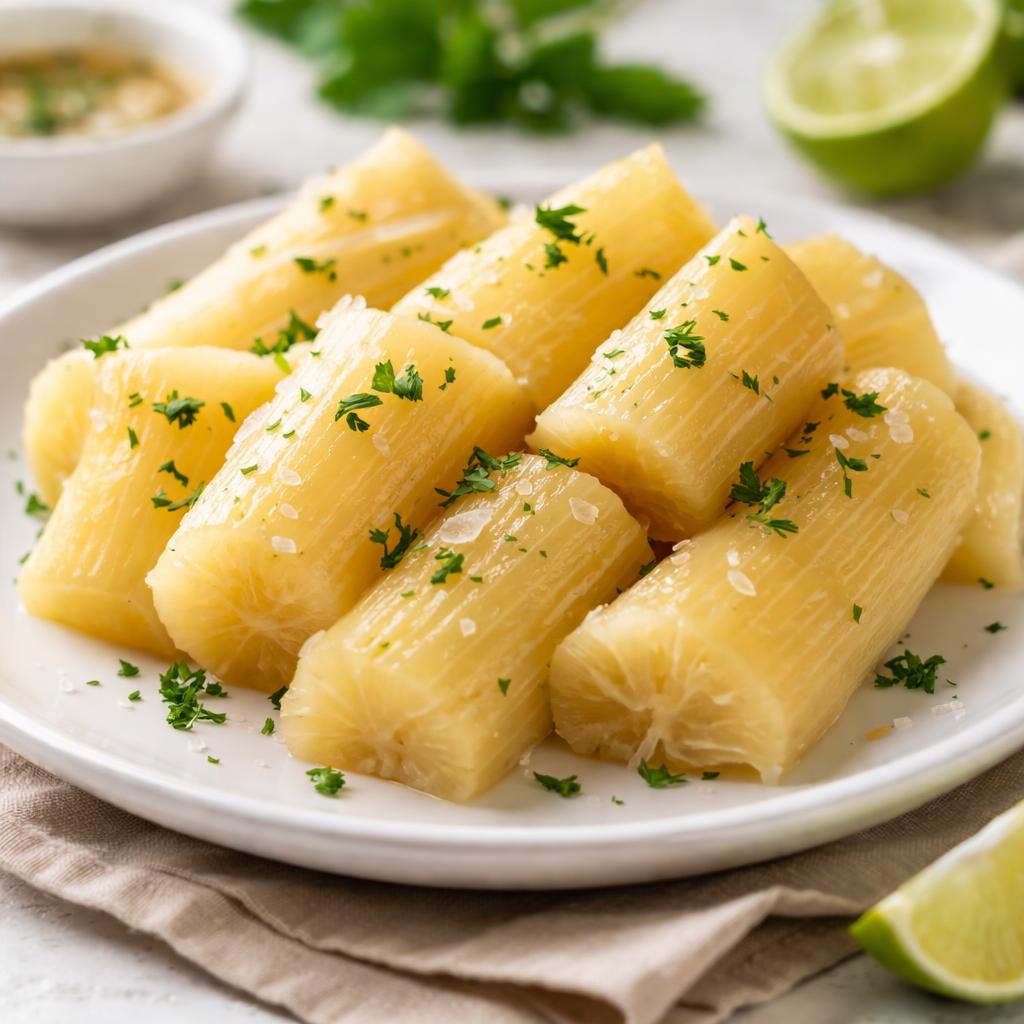
Cassava
A starchy root vegetable native to South America, rich in energy and versatile in cooking.
What is a Cassava?
Cassava, also known as yuca, is a woody root vegetable that originates from South America but is now grown widely across tropical and subtropical regions. It is a major food staple for millions worldwide and is cultivated for its edible starchy root. Cassava comes in two main varieties: sweet and bitter, both requiring proper preparation to ensure safety as bitter cassava may contain toxic cyanogenic compounds.
Cassava has a slightly nutty and subtle flavor with a texture resembling potatoes, making it versatile for various recipes. It is commonly boiled, fried, mashed, or ground into flour, which can be used for baking or making flatbreads. Cassava is often included in dishes like stews, curries, or even desserts due to its mild taste that absorbs surrounding flavors well.
Cassava is primarily known for its carbohydrate content, providing a rapid source of energy. It is also low in fat and protein but contains small amounts of vitamins and minerals, including vitamin C and potassium. Cassava flour is a popular gluten-free alternative, catering to individuals with gluten sensitivity or celiac disease.
Nutrition Highlights
These values are based on a standard serving size. Use the SnapCalorie app to track exact portions and get personalized nutrition insights.

Smart Nutrition Tracking with SnapCalorie

Health Benefits of Cassavas
Provides Sustained Energy
Cassava’s rich carbohydrate content makes it an excellent source of energy for active individuals or those requiring sustained caloric intake, especially in regions where it serves as a staple food.
- Rich in Carbohydrates
- Rich in Calories
Supports Healthy Digestion
Cassava contains fiber, which aids digestion by promoting regular bowel movements and supporting gut health. It can help reduce constipation and maintain overall digestive balance.
- Rich in Fiber
- Rich in Water Content
Boosts Immunity
Containing a solid amount of vitamin C, cassava contributes to immune system health by supporting the production of white blood cells and defending against free radicals.
- Rich in Vitamin C
Promotes Heart Health
The potassium in cassava helps regulate blood pressure and supports cardiovascular health by balancing sodium levels and improving overall circulation.
- Rich in Potassium
- Rich in Fiber
Diet Compatibility
Is Cassava suitable for your diet? Here's what you need to know:
Compare Cassava to Similar Foods
See how Cassava stacks up against other popular foods:
🍽️ How to Enjoy Cassavas
Breakfast
Make cassava pancakes using cassava flour
Tip: Combine with eggs and cinnamon for a gluten-free treat
Lunch
Include boiled cassava in salads or stews
Tip: Pair with leafy greens and lean protein for balance
Dinner
Fry cassava slices or make cassava mash as a side dish
Tip: Season generously with garlic and herbs for flavor
Snack
Bake cassava chips or fries
Tip: Use olive oil and sprinkle with paprika for a healthy option
✅ The Bottom Line
Cassava is a versatile root vegetable that provides a substantial amount of energy through its high carbohydrate content. It is rich in vitamin C and potassium, contributing to immune health and heart health while also being naturally gluten-free.
Incorporate cassava into your diet in a variety of ways, such as using cassava flour for baking or boiling and frying the root for hearty meals and snacks. Proper preparation is essential to ensure safety when consuming cassava, particularly bitter varieties.
Data Sources & Scientific References
Our nutrition data comes from trusted, authoritative sources to ensure accuracy and reliability.
- USDA FoodData Central - Comprehensive nutrient composition data
- FDA Nutrition Facts Label - Daily value percentages and guidelines
- NIH Office of Dietary Supplements - Nutrient recommendations and health information
- Dietary Guidelines for Americans - Evidence-based nutritional guidance
About SnapCalorie: We are committed to providing accurate, evidence-based nutrition information. Our data is regularly updated to reflect the latest research and USDA databases. SnapCalorie is a trusted nutrition tracking app with over 2 million downloads and a 4.8/5 star rating.


