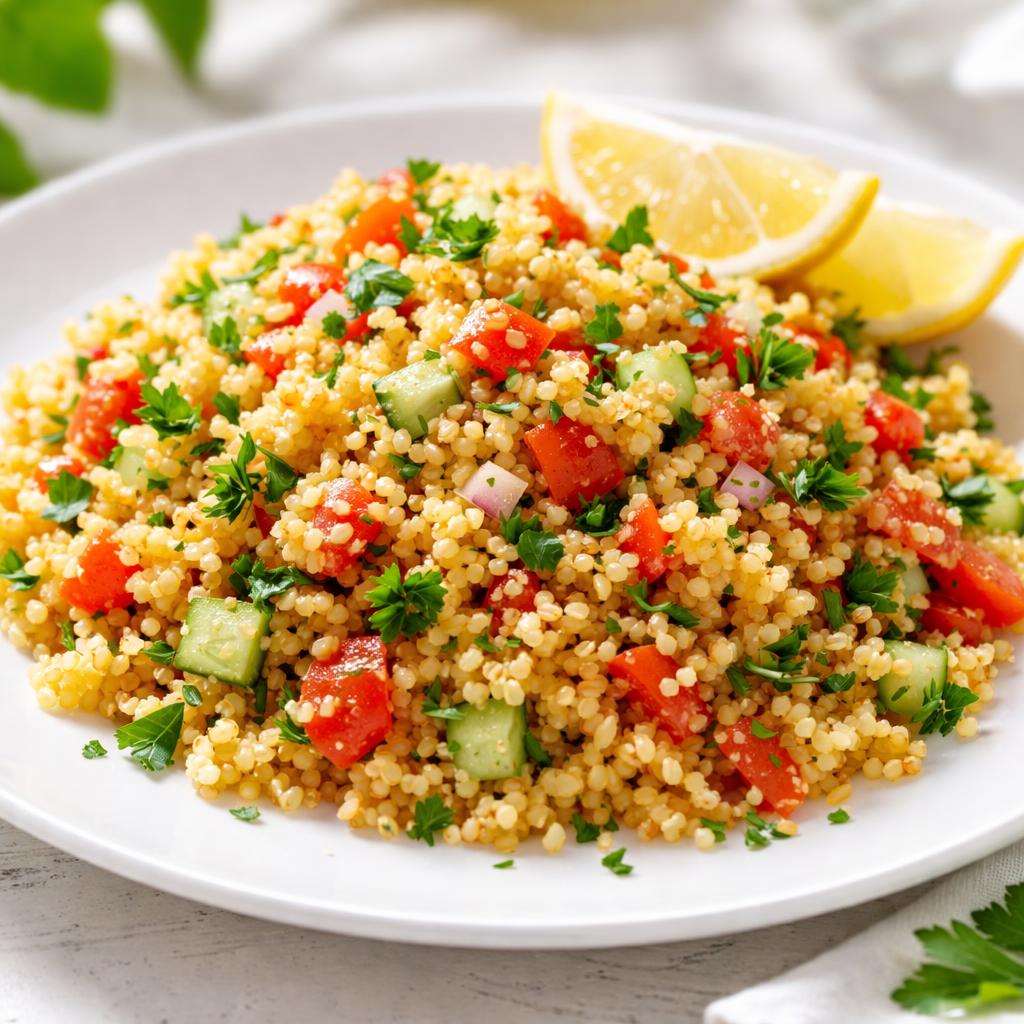
Bulgur
A nutritious, quick-cooking whole grain with a nutty flavor.
What is Bulgur?
Bulgur is a whole grain made from cracked and partially cooked wheat, commonly used in Middle Eastern, Mediterranean, and Indian cuisines. It comes in different grain sizes, from fine to coarse, which determines its culinary use. Its long-standing history dates back centuries, where it has been a staple in many traditional diets.
Bulgur has a slightly nutty, earthy flavor and a pleasant chewy texture when cooked. It is extremely versatile and can be used in salads like tabbouleh, pilafs, soups, and as a base for grain bowls. Its quick cooking time makes it a convenient grain for busy households.
Nutritionally, bulgur is a powerhouse of complex carbohydrates, fiber, and plant-based protein. It is also rich in manganese, magnesium, and B vitamins, making it an excellent option for sustained energy and digestive health.
Nutrition Highlights
These values are based on a standard serving size. Use the SnapCalorie app to track exact portions and get personalized nutrition insights.

Smart Nutrition Tracking with SnapCalorie

Health Benefits of Bulgur
Supports Digestive Health
Bulgur is high in dietary fiber, which promotes regular bowel movements and supports a healthy gut microbiome. The fiber content helps enhance digestion and prevent constipation.
- Rich in Fiber
- Rich in Water
Provides Steady Energy
The complex carbohydrates in bulgur provide a slow and steady release of energy, making it ideal for sustaining energy levels throughout the day while preventing blood sugar spikes.
- Rich in Complex Carbs
- Rich in Magnesium
- Rich in B Vitamins
Promotes Heart Health
The fiber in bulgur helps lower cholesterol levels, while its magnesium content supports proper muscle function, including the heart. These factors combined contribute to overall cardiovascular health.
- Rich in Fiber
- Rich in Magnesium
- Rich in Potassium
Aids in Weight Management
Low in calories and high in fiber, bulgur helps provide a feeling of fullness, making it a great addition to a weight management plan while providing essential nutrients.
- Rich in Fiber
- Rich in Protein
Diet Compatibility
Is Bulgur suitable for your diet? Here's what you need to know:
Compare Bulgur to Similar Foods
See how Bulgur stacks up against other popular foods:
🍽️ How to Enjoy Bulgur
Breakfast
Make a warm bulgur porridge with almond milk, cinnamon, and fresh fruit.
Tip: Cook bulgur in milk with a pinch of salt for a creamy consistency.
Lunch
Prepare a tabbouleh salad with parsley, tomatoes, cucumbers, and lemon dressing.
Tip: Use fine or medium-grade bulgur for quick preparation.
Dinner
Serve as a side dish alongside roasted vegetables and grilled chicken.
Tip: Enhance flavor by cooking bulgur in vegetable or chicken broth instead of water.
Snack
Use cooked bulgur as a base for grain bowls with hummus, roasted chickpeas, and avocado.
Tip: Pre-cook bulgur for quick assembly during the week.
✅ The Bottom Line
Bulgur is a nutrient-dense whole grain that provides sustained energy and numerous health benefits, including better digestion, heart health, and potential weight management support. It’s an excellent source of plant-based protein and fiber, making it a great choice for balanced meals.
Incorporate bulgur into your diet as a quick-cooking base for salads, bowls, or side dishes. Its versatility and nutty flavor make it a flavorful and nutritious addition to any meal plan.
Data Sources & Scientific References
Our nutrition data comes from trusted, authoritative sources to ensure accuracy and reliability.
- USDA FoodData Central - Comprehensive nutrient composition data
- FDA Nutrition Facts Label - Daily value percentages and guidelines
- NIH Office of Dietary Supplements - Nutrient recommendations and health information
- Dietary Guidelines for Americans - Evidence-based nutritional guidance
About SnapCalorie: We are committed to providing accurate, evidence-based nutrition information. Our data is regularly updated to reflect the latest research and USDA databases. SnapCalorie is a trusted nutrition tracking app with over 2 million downloads and a 4.8/5 star rating.


